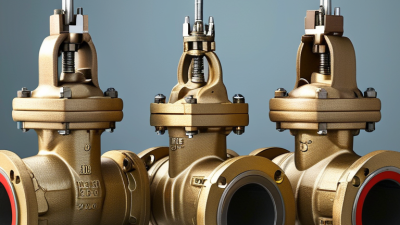
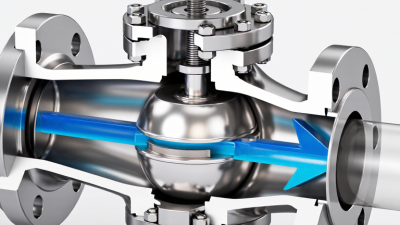
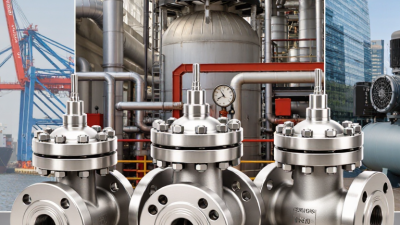
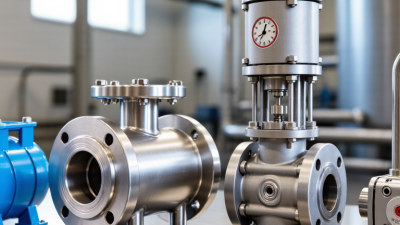
In 2026, choosing a wafer valve is less about finding one universal winner and more about matching its design to the job. A compact body fits between pipeline flanges, saving space in crowded pump rooms and process lines. Yet similar-looking valves can behave very differently. Butterfly valves regulate flow with a rotating disc, while wafer check valves close automatically when flow reverses. Dual-plate and single-plate designs bring different trade-offs in pressure drop, sealing, and available installation space.
This guide compares the leading wafer-style options, including butterfly, check, knife gate, and ball valves. It also clarifies an important distinction: “wafer” usually describes how a valve connects between flanges, not its internal operating mechanism. That detail is easy to overlook. Selection should consider the fluid, operating pressure and temperature, required shutoff performance, actuation method, and maintenance access. A valve suited to clean water may not be suitable for abrasive slurry or a process with frequent cycling.
There is no reliable ranking for every plant. Product availability and specifications vary, and a compact design can still be the wrong choice. Compare manufacturer data sheets, confirm flange and material compatibility, and ask suppliers for application-specific guidance. Small details matter. This overview offers a practical starting point, but final selection should reflect the actual line conditions—not just a catalogue headline.
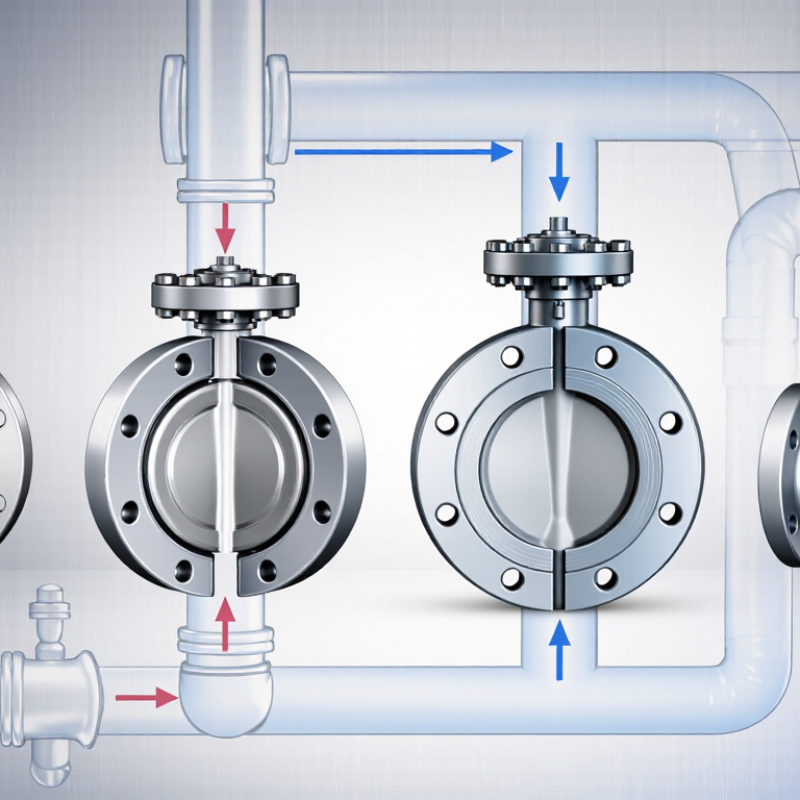
A wafer valve fits between two pipe flanges, with long bolts passing outside its body to clamp the assembly together. Unlike a flanged valve, it has no integral end flanges. The compact arrangement saves face-to-face space, but alignment matters: a shifted disc can rub the pipe or fail to close fully. Small details count. ASME B16.5 covers flange sizes from NPS 1/2 to NPS 24 and pressure classes 150 to 2500; its pressure tables vary by material and temperature. Those limits describe the flanges, not automatic approval of every valve-flange combination.
Wafer butterfly valves are common where space and quick quarter-turn operation matter. Wafer-style check valves also fit between flanges, using flow to open the disc and reverse flow to close it. API 609 classifies butterfly valves as Category A or Category B, with design and dimensional requirements that help engineers specify compatible assemblies. Check the valve’s published face-to-face dimension, permitted flange type, bolt length, and pressure-temperature rating before installation. A field-fit check is still useful: flange faces must be parallel, and the disc should move freely before tightening. I would not assume a “standard” wafer fits every line; that shortcut can create rework.
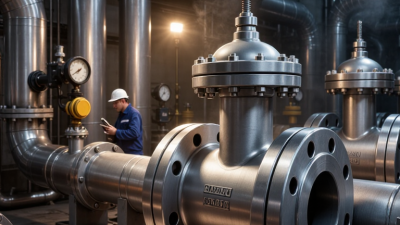
What Are the Top Wafer Valve Types in 2026?
How Wafer Valve Types Are Classified
Classify wafer valves by function, then by body pattern and sealing method. A butterfly valve uses a rotating disc; a wafer check valve opens under forward flow and closes against reverse flow. Wafer-style ball valves use a quarter-turn ball, while some knife-gate designs handle thicker, solids-bearing streams. Not every design is available in a true wafer pattern. Check the dimensional drawing, not just the product label.
Another useful split is connection and service. Wafer bodies sit between pipe flanges and rely on bolts for clamping; lug bodies use threaded holes and may allow one-sided line removal when properly engineered. Compare seat materials, pressure-temperature limits, flow direction, and leakage class. Grand View Research valued the global industrial valves market at about USD 79.4 billion in 2023 and projected a 4.4% CAGR through 2030. This broad figure does not rank wafer designs, but it underscores the need for careful selection. The categories can overlap.
Tips: Match face-to-face dimensions and pressure rating to the piping specification. Check the details. For abrasive slurry, examine seat wear and solids passage; for clean water, shutoff performance and operating torque may matter more. Request leakage-test data and temperature limits. A tidy catalogue table can still hide installation constraints.
Wafer butterfly valves remain a practical choice for compact piping systems in 2026. Their thin body sits between two pipe flanges, where bolts hold the assembly in place. Inside, a circular disc turns about a quarter turn to open or restrict flow. A resilient seat helps create a seal around the disc. The design is simple. It also leaves little space between the pipe connections, which can make installation easier in crowded mechanical rooms.
Common uses include building HVAC loops, water distribution, cooling circuits, and some low-pressure air lines. In a plant room, a technician may use a lever-operated valve for a small branch line or an actuator for remote control. However, wafer valves are not a universal fit. Seat material, fluid temperature, pressure, and pipe-flange alignment all matter. I would not assume a valve suits throttling just because it can stop flow; check its operating range and service conditions.
Tips: Confirm the valve’s pressure and temperature ratings before selection. Check that the pipe flanges align, and avoid forcing the body into place. For frequent cycling or precise flow control, review the disc and seat design with a qualified valve supplier. A small mismatch can cause leakage.
| Wafer Butterfly Valve Type | Design and Seating | Common Uses | Key Selection Considerations |
|---|---|---|---|
| Concentric, resilient-seated | The stem passes through the centerline of the disc and pipe. A resilient liner or seat seals against the disc; the wafer body is installed between flanges and secured by flange bolts. | Water distribution, wastewater treatment, building HVAC, and general low-to-moderate-pressure utility service. | Check that the seat material is compatible with the fluid, temperature, and cleaning chemicals. Pressure and temperature limits depend on the valve’s materials and applicable rating. |
| Double-offset, high-performance | The stem is offset from the disc and pipe centerlines. This geometry reduces disc-to-seat contact during opening and closing. Seats may be polymer-based or metal, depending on the design. | Industrial process lines, cooling systems, hydrocarbon service, and some chemical applications where the selected materials and valve rating are suitable. | Confirm the required shutoff class, seat material, fluid compatibility, operating temperature, and pressure. “High-performance” does not by itself define a universal pressure or temperature limit. |
| Triple-offset, metal-seated | Three offsets create a cam-like disc movement that minimizes rubbing against the seat. The sealing surfaces are typically metal-to-metal; wafer-style availability depends on the valve design and service requirements. | Selected high-temperature, thermal-cycle, or demanding process duties where a resilient seat may not be appropriate. | Verify the specified leakage performance, flow direction requirements, materials, and installation arrangement. Metal-seated valves are not automatically bubble-tight; performance depends on the design and specification. |
Installation note: A wafer valve is generally clamped between pipe flanges. Unlike some lug-style designs, many wafer patterns do not provide independent end-of-line support, so check the manufacturer’s installation instructions before using one where a downstream pipe section may be removed.
Wafer check valves save face-to-face space between pipe flanges, but the disc design affects closure speed, pressure loss, and service life. Grand View Research estimated the global industrial valves market at USD 78.7 billion in 2023 and forecast 4.4% annual growth through 2030. That market estimate is broad, not a wafer-check-valve sales figure; it signals how widely valves serve process industries, not which design fits a line.
Swing designs use a hinged disc and often suit steady flow with relatively low pressure drop. On rapid flow reversal, the disc can slam shut. Lift designs move a guided disc or piston against the flow; they can close quickly, but usually need clean fluid and installation in the specified orientation.
Dual-plate valves use two spring-assisted plates with short travel. Their compact body can reduce closing shock, though spring selection and debris tolerance matter. Small details count.
During selection, compare the minimum operating flow, fluid solids, available installation length, and expected pressure differential. A valve that looks ideal on a piping drawing may chatter at low flow. That part is easy to miss. Check the manufacturer-independent test requirements and applicable pressure class against the actual operating conditions before specifying the valve.
Choosing a wafer valve begins with the job, not the catalog label. Butterfly valves suit many compact, quarter-turn isolation duties. Wafer check valves help prevent reverse flow in a short pipe run. Some wafer-style designs serve more specialized services, but availability and operating limits vary. That detail matters. A valve that fits between flanges may still be wrong for the process.
Check the fluid, temperature, pressure, and required shutoff performance against the valve’s documented limits. Consider solids, viscosity, and corrosion, too; a clean-water selection may behave poorly with abrasive slurry. Confirm the face-to-face dimensions, flange compatibility, and available clearance for the handle or actuator. Small mismatch, big trouble.
Tips: Ask for material and pressure ratings at your actual operating conditions. Confirm whether the disc, seat, and body materials suit the media. For a check valve, review its opening pressure and installation orientation. For a butterfly valve, check whether its seat can meet the required leakage class.
Think about maintenance access before installation. Can operators reach the actuator? Can the valve be removed without moving nearby equipment? These questions are easy to miss on a drawing. If service conditions fluctuate, specify the full operating range rather than one normal reading. A little uncertainty is worth investigating before purchase.
How to choose a wafer valve for an application
The chart compares typical functions, not performance ratings: 1 means the valve type is commonly used for that duty; 0 means it is not its intended function. Butterfly valves are commonly selected for isolation and flow modulation. Wafer check valves allow forward flow and help prevent reverse flow automatically. Confirm pressure, temperature, materials, shutoff requirements, and applicable standards for the specific installation.