Ultimate Tips for Choosing the Right Wafer Valve?
Choosing the right wafer valve can significantly impact system performance. Wafer valves are compact, lightweight, and designed for tight spaces. According to a recent industry report by MarketsandMarkets, the global market for wafer valves is projected to grow at a rate of 6.2% annually, reflecting increased demand in various sectors including water treatment and chemical processing.
Selecting an appropriate wafer valve hinges on understanding specific applications. Experts recommend assessing material compatibility, size, and flow characteristics before making a decision. For instance, rubber or metal seals might be better suited for certain environments. Furthermore, a 2019 study indicated that nearly 30% of valve performance issues stemmed from improper selection. This underscores the importance of careful evaluation.
When considering wafer valves, it's crucial to weigh their advantages against potential drawbacks. While they save space and are cost-effective, they may not suit every application. Understanding these nuances can enhance the efficiency and longevity of your systems. Engaging with experienced suppliers can yield valuable insights for making informed choices.
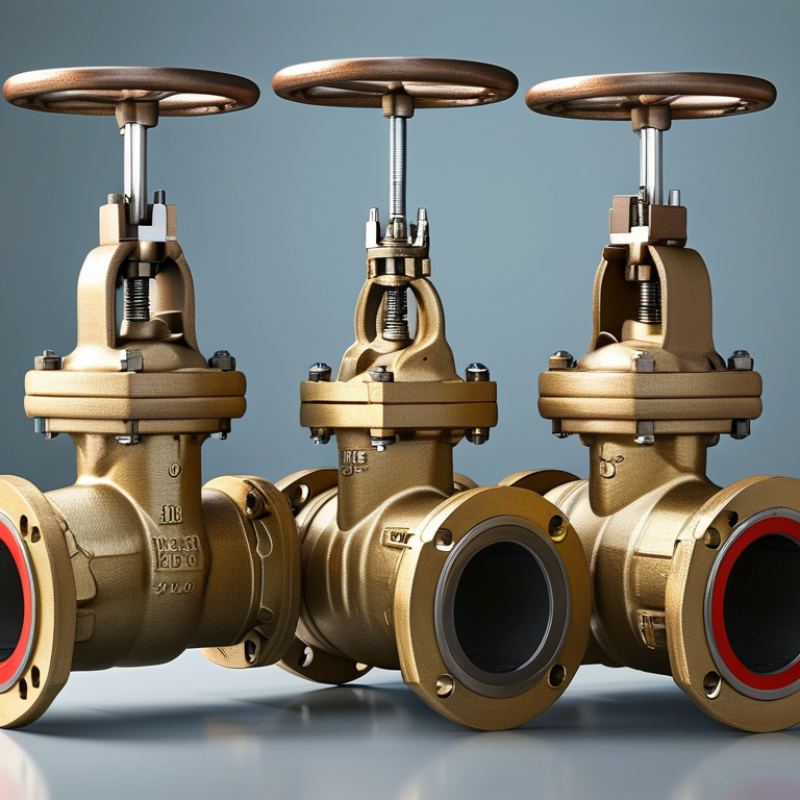
Understanding Wafer Valves: Definition and Functionality
Wafer valves are integral components in various industrial applications. These valves are designed to control fluid flow and maintain system pressure. They have a compact and lightweight construction, making them suitable for tight spaces. According to a report by MarketsandMarkets, the global wafer valve market is expected to grow at a CAGR of 5.1% from 2021 to 2026. This growth signifies the increasing demand for efficient fluid control solutions.
Understanding the functionality of wafer valves is crucial. They are usually installed between two flanges, creating a tight seal when closed. This design minimizes pressure drops and ensures optimal flow rates. However, the installation process can be tricky. Improper alignment may lead to leaks and reduced service life. A study published in the Journal of Flow Control highlighted that even a slight misalignment could decrease efficiency by up to 15%.
Material selection is another critical aspect. Wafer valves are commonly made from stainless steel, cast iron, or plastic. Each material has its pros and cons. While stainless steel offers durability, it may be unsuitable for corrosive environments. Alternatives like plastic can be less robust but resist harsh chemicals better. Engineers must evaluate application requirements carefully to avoid costly mistakes. Balancing cost-effectiveness and performance is essential for long-term success.
Key Factors Influencing Wafer Valve Selection
When selecting a wafer valve, several key factors come into play. One major consideration is the type of media the valve will handle. Different materials will react differently with liquids and gases. Assess the compatibility of the valve material with the media; this is essential for ensuring durability and performance.
Another critical factor is the pressure and temperature ratings of the valve. Ensure that the valve can operate within the expected pressure ranges without compromising its integrity. Valves that exceed their ratings may fail, leading to costly repairs.
Tips: Always consult the manufacturer’s specifications to understand the limits. Consider your system's unique requirements, including flow rates. Selecting a valve that meets these criteria can save time and expenses down the line.
Lastly, installation space should not be overlooked. Compact designs are often necessary in tight environments. However, ensure that the installation does not affect the valve's functionality. Pay attention to installation instructions. Misalignment could lead to leaks or malfunctions, requiring reassessment of your chosen valve.
Material Considerations for Different Applications
Choosing the right material for wafer valves is crucial for performance. Different applications have varying demands. For instance, stainless steel is often chosen for high-pressure and high-temperature environments. It's known for its strength and corrosion resistance. However, it may not be the best choice for highly abrasive or corrosive liquids.
Thermoplastic materials, on the other hand, offer significant benefits in specific scenarios. They excel in chemical resistance. These materials can handle aggressive substances without degrading. Yet, thermoplastics may not withstand high temperatures like metals do. Understanding the trade-offs between materials is essential.
Another factor is the environment where the valve will operate. For example, some environments expose valves to extreme conditions. Select a material that can endure such stress without compromising performance. Evaluating your specific needs before making a decision can prevent future issues. Balancing cost and reliability is also important. This decision-making process can be complex but is essential for long-lasting solutions.
Ultimate Tips for Choosing the Right Wafer Valve: Material Considerations for Different Applications
Sizing and Pressure Ratings in Wafer Valve Selection
When selecting a wafer valve, sizing and pressure ratings are critical factors. A proper valve can significantly impact system performance. According to the Fluid Power Journal, over 30% of valve failures result from poor sizing. If a valve is too small, it can restrict flow. Conversely, an oversized valve might lead to turbulence and increased wear.
For pressure ratings, ensure that the valve can handle the system’s operating conditions. Valves are often rated by their maximum working pressure. A mismatch can lead to leaks or catastrophic failure. A recent report from the American Society of Mechanical Engineers emphasizes that 25% of catastrophic valve failures stem from inadequate pressure ratings. Thus, always check the specifications before making a purchase.
Consider these tips when selecting your valve. Calculate flow rates accurately. Anticipate fluctuations in pressure. Always refer to industry standards for sizing. Document your system’s needs, including potential pressure spikes. This preparation minimizes risks and enhances valve performance. Remember, even small oversights in selection can cause significant problems later.
Ultimate Tips for Choosing the Right Wafer Valve
| Valve Size (inches) |
Pressure Rating (PSI) |
Body Material |
Temperature Range (°F) |
Connection Type |
| 2 |
150 |
Cast Iron |
-20 to 250 |
Flanged |
| 3 |
300 |
Stainless Steel |
-40 to 400 |
Wafer |
| 4 |
600 |
Ductile Iron |
-20 to 350 |
Socket Weld |
| 5 |
900 |
Bronze |
-20 to 300 |
Clamp |
Maintenance and Lifespan of Wafer Valves
Wafer valves are crucial components in various piping systems, often used in industries like oil and gas, water treatment, and food processing. Understanding their maintenance is vital to ensuring their longevity and performance. According to industry reports, proper maintenance may extend the lifespan of wafer valves by up to 30%. Regular inspections help detect issues early.
Performing routine maintenance is essential. This includes checking for leaks, ensuring proper seating, and monitoring pressure differentials. These checks can prevent costly failures. Additionally, lubricating moving parts reduces wear and tear. Experts recommend using the manufacturer's guidelines for maintenance schedules to avoid unnecessary downtime.
Choosing the right environment for your wafer valves also affects their lifespan. Exposure to extreme temperatures or harsh chemicals can accelerate deterioration. Always consider the working conditions. This task isn't always clear-cut; often, conditions can change unpredictably. It's wise to re-evaluate choices periodically. A proactive approach is beneficial—anticipating needs today leads to smoother operations tomorrow.