Buying a pressure relief valve for international projects involves more than comparing prices and connection sizes. A valve may protect a steam line in Rotterdam, a chemical vessel in Houston, or a compressor package in Singapore. Each application brings different temperatures, pressures, fluids, and operating risks. Small selection errors can cause leakage, unstable discharge, costly shutdowns, or unsafe overpressure conditions.
This guide presents seven practical buying tips for global buyers. It focuses on sizing accuracy, material compatibility, set pressure, certification, testing, supplier capability, and long-term maintenance. These details matter. A stainless-steel valve may resist corrosion, yet its seal material could fail under high temperature. A compact design may fit the pipe perfectly, but maintenance access might be poor. Real purchasing decisions often expose such gaps.
Experience from industrial procurement shows that reliable results depend on verified data, not attractive brochures. Buyers should request performance curves, inspection records, traceability documents, and clear installation instructions. Confirm the required standards for the destination market and the equipment owner. Do not assume one certificate satisfies every project. It may not. Independent technical review is valuable when the service involves toxic, flammable, corrosive, or high-pressure media. A reputable manufacturer should explain limitations honestly, including conditions where its pressure relief valve is unsuitable. These conversations can prevent expensive mistakes. Still, no buying guide removes every uncertainty. Good decisions require careful specification, practical questioning, and continuous review from selection through commissioning.
Before comparing prices, define what the pressure relief valve must protect. Is it a vessel, pipeline, pump, or thermal system? The required function may involve emergency overpressure protection, thermal expansion relief, or repeated pressure control. Each duty affects the valve design, discharge route, and response behavior. Small details matter.
Record the set pressure, maximum allowable working pressure, normal operating range, fluid type, temperature, and expected flow rate. Gas, steam, and liquid applications require different sizing methods. Also check viscosity, corrosion risk, two-phase flow, and built-up back pressure. A valve that performs well with clean water may respond poorly to hot, contaminated process fluid. That assumption can fail.
Global buyers should verify capacity at the actual operating conditions, not only at standard test conditions. Ask for material certificates, test records, calibration data, and applicable conformity documents. Confirm whether the outlet piping can safely handle the released medium. Installation orientation and maintenance access deserve attention too. In field inspections, small pressure losses in discharge piping have caused serious sizing concerns. It is tempting to trust a familiar specification. I have found that operating data is often incomplete, especially for upgraded equipment. When uncertainty remains, request a documented engineering review before purchase.
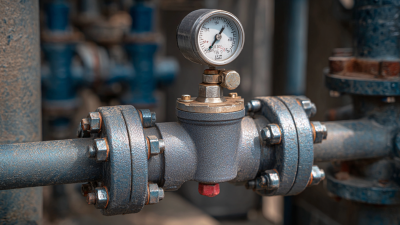
7 Pressure Relief Valve Buying Tips for Global Buyers
Selecting a pressure relief valve begins with understanding the application, not the catalog. Match the valve type to the pressure source, fluid behavior, and discharge arrangement. A spring-loaded valve may suit steady liquid or gas service. Pilot-operated designs can perform better in large systems with changing backpressure. Rupture protection may require a different solution entirely. The wrong type can open too early, chatter, or fail to reseat.
Pressure rating needs careful interpretation. Compare the valve set pressure with the equipment’s maximum allowable working pressure. Check accumulation, blowdown, operating temperature, and inlet pressure loss. A valve set close to normal operating pressure may leak repeatedly. That wastes energy and damages the seat. Sizing should use real flow data, not an optimistic estimate. Small errors matter.
Material selection is equally practical. Stainless steel may resist moisture and corrosive chemicals, while carbon steel can suit cleaner, less aggressive service. Confirm compatibility with the process fluid, temperature range, seals, and internal trim. A material that survives the fluid may still weaken at elevated temperature. Ask for test certificates, calibration records, and sizing calculations. I have seen buyers focus on purchase price, then discover that maintenance access was ignored. That choice looked efficient on paper. It was not. Check connection standards and local inspection expectations before ordering.
When buying a pressure relief valve internationally, begin with the actual relieving scenario, not a catalog size. Identify the protected equipment’s maximum allowable working pressure, set pressure, fluid phase, temperature, and required discharge capacity. A valve that fits the pipe may still be seriously undersized.
Ask for certified performance data, including capacity, blowdown, backpressure limits, and test conditions. Check whether the capacity is based on gas, steam, liquid, or a two-phase flow. Review material certificates and pressure-test records when the service is corrosive or unusually hot. Small details matter.
Do not accept a generic compliance statement. Match the valve and vessel to applicable requirements, such as ASME Section VIII, API 520 and API 521, EN ISO 4126, or relevant pressure-equipment rules. The correct choice depends on the installation country, equipment category, and current edition of each standard. Confirm this with a qualified engineer or authorized inspection body.
Field conditions can defeat good calculations. Long discharge piping may create excessive backpressure, while blocked vents or poor drainage can affect operation. A spreadsheet may look precise. It can still hide a wrong assumption. I have seen projects specify normal operating pressure but overlook thermal expansion during isolation. Leave room for review, especially when process data is incomplete or translated between teams. Request drawings, calibration evidence, and clear acceptance criteria before purchase.
Verify sizing, performance data, and applicable safety standards before approving a pressure relief valve.
Reference chart: EN 1092-1 nominal flange pressure classes at the reference temperature. PN values are nominal designations, not guaranteed operating limits. Always confirm the valve body rating, temperature derating, relieving conditions, and local code requirements with the supplier.
Define blocked outlet, fire exposure, thermal expansion, gas blow-by, or other credible overpressure cases.
Check set pressure, relieving pressure, temperature, fluid properties, required capacity, and backpressure.
Review capacity coefficients, flow curves, blowdown, accumulation, and test certificates rather than relying on nominal size alone.
Compare body, bonnet, flange, trim, and seal limits with the complete operating envelope and temperature derating.
Identify whether ASME Section VIII, ASME B16.34, API 526, API 527, ISO 4126, or regional rules apply.
Review inlet pressure loss, outlet reaction forces, discharge routing, vibration, drainage, and maintenance access.
Obtain material records, calibration certificates, inspection reports, test results, drawings, and manuals for the delivered configuration.
Assess the manufacturer’s engineering history, not only its product catalogue. Ask how valves are sized for steam, gas, liquid, and changing backpressure. Request material certificates, inspection records, and documented set-pressure tests. Ask for evidence. A reliable supplier should explain tolerances, spring selection, leakage limits, and capacity calculations in clear language. Do not guess.
Check certifications against the installation country and service conditions. Confirm whether the valve meets applicable pressure equipment, testing, and quality standards. Certificates should identify the exact model, materials, test date, and issuing body. A familiar logo is not enough. Verify the certificate independently when possible. Standards can differ between regions, and a certificate accepted in one market may not satisfy another authority.
Evaluate global support before placing the order. Ask about local technicians, spare springs, seals, calibration services, and emergency response times. Confirm whether manuals include installation drawings and maintenance intervals. Reliable support should continue after delivery. Speak with the technical team before buying. Their answers often reveal practical experience. I have seen polished documentation hide weak field support, so request references from comparable applications. Also check packaging, corrosion protection, language options, and export documents. Small details matter during customs clearance and commissioning. Allow time for review. Pressure safety deserves more than a quick quotation.
7 Pressure Relief Valve Buying Tips for Global Buyers
Tips: Compare total cost, not only the valve quotation. Add freight, insurance, import duties, testing, installation labor, calibration, spare parts, and downtime risk. A low price can become expensive after delivery. The World Bank’s 2023 Logistics Performance Index evaluates customs, infrastructure, tracking, and shipment timeliness. These factors directly affect your landed cost. Request a delivered-cost comparison under the same Incoterm, such as DDP or CIP. Check taxes separately.
Tips: Confirm delivery terms in writing. Ask for the manufacturing lead time, inspection date, packing method, and shipping documents. A pressure relief valve may require material certificates, set-pressure test records, and conformity documents. Delays often occur after production, not during it. I have seen schedules fail because one certificate was missing. That risk deserves a cost estimate.
Tips: Review installation and maintenance before purchase. Confirm inlet and outlet dimensions, discharge routing, access space, lifting needs, and local code requirements. ASME BPVC Section VIII and API 576 provide widely used guidance for pressure protection and inspection practices. Ask about seat testing, recertification intervals, replacement seals, and technician training. Maintenance data should be practical, not decorative. A spreadsheet may look complete, yet omit isolation planning and plant shutdown hours. That is worth challenging.
| Buying Tip | Key Comparison Dimension | Typical Data or Industry Benchmark | Why It Matters to Global Buyers | Recommended Purchasing Check |
|---|---|---|---|---|
| 1 Compare total cost, not only purchase price | Initial valve price, freight, import charges, installation, testing, spare parts, and planned maintenance |
|
A lower-priced valve may become more expensive if it requires frequent removal, special tooling, costly shipping, or long service interruptions. | Request a delivered-cost quotation with separate lines for the valve, accessories, documentation, freight, duties, commissioning, calibration, and recommended spares. |
| 2 Match pressure, temperature, and material requirements | Set pressure, relieving capacity, back pressure, operating temperature, fluid properties, corrosion exposure, and body/trim materials |
|
Incorrect sizing or material selection can cause leakage, unstable operation, corrosion, reduced capacity, or failure to protect the vessel. | Provide the process datasheet, fluid phase, molecular weight or specific gravity, relieving temperature, required capacity, inlet/outlet sizes, and back-pressure conditions. |
| 3 Verify certifications and documentation | Design code, capacity certification, material traceability, inspection records, calibration certificate, and local regulatory requirements |
|
Missing or unacceptable documents can delay customs clearance, site acceptance, commissioning, or statutory inspection. | Add a document register to the purchase order and confirm whether certificates must be submitted for approval before manufacturing or shipment. |
| 4 Compare delivery terms and logistics risk | Incoterms, production lead time, transport mode, export packaging, insurance, customs responsibility, and destination delivery time |
|
Delivery risk includes more than factory lead time. Port congestion, customs documentation, dimensional limits, and local import rules can affect the project schedule. | Compare quotations on the same basis: named place, Incoterm version, dispatch date, estimated arrival date, packaging standard, insurance scope, and customs documents. |
| 5 Evaluate installation and commissioning needs | Valve orientation, inlet pressure loss, discharge piping, reaction forces, drainage, access for testing, lifting requirements, and field adjustments |
|
Installation constraints can increase labor cost and may prevent correct operation even when the valve itself is properly selected. | Review certified drawings, installation instructions, connection dimensions, lifting points, discharge loads, and site commissioning procedures before release for manufacture. |
| 6 Plan inspection, testing, and maintenance | Inspection interval, bench testing, set-pressure verification, seat-leakage testing, overhaul method, spare parts, and local service capability |
|
A valve that cannot be tested or repaired locally may create extended downtime and higher logistics costs. | Obtain a recommended spare-parts list, maintenance manual, test requirements, calibration traceability details, and the availability of qualified service technicians near the installation site. |
| 7 Assess lifecycle reliability and application fit | Operating frequency, leakage tolerance, corrosion rate, cycling behavior, fugitive-emission requirements, criticality, and replacement strategy |
|
Reliability depends on the complete installation and process conditions, not simply on the valve’s nominal pressure class or purchase price. | Rank the application by safety and production criticality, then select materials, accessories, redundancy, monitoring, and spare inventory accordingly. |
| Purchasing note: Cost ranges, lead times, inspection intervals, and documentation requirements are indicative industry benchmarks. The final selection must be confirmed against the applicable pressure-vessel code, local regulations, process datasheet, site conditions, and the purchaser’s engineering specification. | ||||