Back
Contact us

Top 10 Hydraulic Power Unit Manufacturers Worldwide

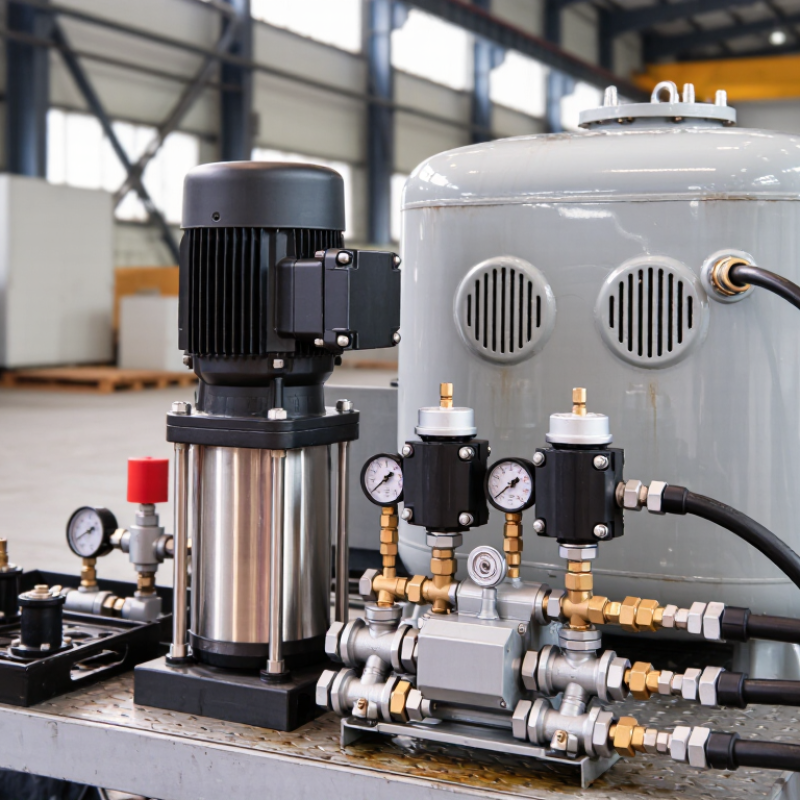
A hydraulic power unit is the working heart behind many presses, lifts, injection machines, mobile systems, and industrial production lines. It converts mechanical energy into controlled hydraulic flow and pressure. Inside a typical unit, a pump draws oil from a reservoir, while valves, filters, manifolds, and relief devices manage delivery. Small details matter. A hot reservoir can reduce oil life. A clogged filter can damage a pump. Excessive noise may reveal cavitation before failure becomes expensive.

Anthony Esposito, a respected fluid-power author and engineer, described the field clearly: “Fluid power is the technology that deals with the generation, control, and transmission of power using pressurized fluids.” His statement remains relevant when comparing global hydraulic power unit manufacturers. The best supplier is not always the largest name. Application knowledge, component quality, testing discipline, service access, and documented performance deserve equal attention.

This guide examines ten influential manufacturers worldwide. It considers their engineering capabilities, product breadth, customization options, energy efficiency, and support networks. Evidence can still be imperfect. Public specifications may not show long-term reliability in dusty factories, cold outdoor sites, or continuous-duty applications. Buyer feedback can also reflect one project rather than an entire product range. That limitation deserves honesty.

The comparison therefore avoids treating rankings as permanent. A compact HPU for a mobile machine faces different demands from a redundant unit serving a steel mill. Pressure, flow, duty cycle, fluid type, noise limits, maintenance access, and safety requirements all change the decision. Readers should verify current models and local support before making a final procurement choice.
Top 10 Hydraulic Power Unit Manufacturers Worldwide

Hydraulic Power Units: Definition, Components, and Operating Principles

Hydraulic Power Units: Definition, Components, and Operating Principles

A hydraulic power unit (HPU) converts mechanical energy into controlled fluid power. It normally combines a motor, pump, reservoir, valves, filters, gauges, and protective controls. Grand View Research reported that the global hydraulic equipment market reached about USD 49 billion in 2023. This scale reflects continuing demand across mobile machinery, manufacturing, energy, and material handling. An HPU may look compact, but its performance depends on careful component matching.

The electric motor or engine drives the pump. The pump draws filtered oil from the reservoir and delivers pressurized flow to an actuator. Relief valves limit excessive pressure. Directional valves control movement, while flow-control valves adjust speed. Accumulators can store energy and reduce pressure fluctuations. ISO 4413 emphasizes cleanliness, safe pressure control, and proper system design. These details are practical, not decorative. A blocked return filter can quietly increase heat and shorten component life.

During operation, the actuator converts fluid pressure into linear or rotary motion. Pressure mainly creates force; flow mainly determines speed. MarketsandMarkets has identified automation and industrial machinery as important growth areas for hydraulic equipment. However, market forecasts should not replace site measurements. Real systems face contamination, temperature changes, leakage, and imperfect maintenance. A neat schematic can still hide poor hose routing. That is where engineering judgment matters. The better question is not whether an HPU is powerful, but whether it remains stable, efficient, and serviceable under actual working conditions.
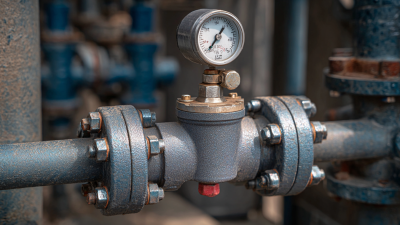
How Global Hydraulic Power Unit Manufacturers Are Evaluated

Evaluating the top 10 hydraulic power unit manufacturers requires more than comparing catalog prices. Experienced buyers examine how each manufacturer handles pressure stability, heat control, noise, and maintenance access. A unit may look impressive on paper, yet perform poorly in a dusty factory or during continuous operation. Field experience matters. Real conditions expose weaknesses.

Technical expertise is measured through engineering depth, testing procedures, and application support. Evaluators should review flow accuracy, motor efficiency, reservoir design, filtration, valve integration, and safety controls. They should also ask whether testing follows recognized international standards. Clear drawings, traceable materials, and documented performance data strengthen credibility. Vague claims do not.

Reliability depends on evidence over time. Reviewers can study failure rates, warranty handling, spare-part availability, and response times from service teams. Customer references are useful, but they should include comparable pressures, duty cycles, and operating environments. Data matters. Price alone misleads. No scoring model is perfect, and I would not pretend otherwise. A manufacturer with excellent hardware may still struggle with communication or local support. Therefore, a balanced evaluation combines factory audits, independent testing, user feedback, and practical maintenance observations before placing any manufacturer among the global leaders.

Top 10 Hydraulic Power Unit Manufacturers Worldwide

Top 10 Hydraulic Power Unit Manufacturers Worldwide

The top 10 hydraulic power unit manufacturers worldwide are often judged by engineering depth, production consistency, and service support. Strong manufacturers design units for stable pressure, efficient flow, and long operating cycles. Their systems may power presses, lifting platforms, injection equipment, and mobile machinery. In practical evaluations, I look beyond catalog claims. I check reservoir welding, valve accessibility, noise levels, and leak prevention around fittings. Small details matter.

A reliable manufacturer should provide tested assemblies, clear technical drawings, and traceable quality records. It should also understand regional safety standards and machine integration. Experienced suppliers can recommend pump displacement, motor capacity, filtration, and cooling methods based on real operating conditions. However, no ranking is perfect. Application data changes the result. A compact unit may outperform a larger model in a clean indoor line, but fail in a dusty outdoor setting.

Tips: Ask for pressure-flow test reports before purchasing. Confirm motor voltage, duty cycle, oil compatibility, and ambient temperature limits. Inspect the service layout carefully. Filters, gauges, and relief valves should be reachable without removing half the system. Request spare-part availability and response times in writing. A low purchase price can become expensive when seals, pumps, or controllers are difficult to replace. I would also run a short pilot test. Specifications look convincing, but field behavior sometimes disagrees.

Product Portfolios, Technologies, and Industry Applications

Top 10 Hydraulic Power Unit Manufacturers Worldwide

The leading ten manufacturers serve different operating demands through flexible product portfolios. Their offerings commonly include compact power packs, custom HPU skids, pumps, valves, reservoirs, filtration units, and electronic controls. Modular designs simplify replacement when production conditions change. They also support tandem pumps, variable-displacement pumps, and integrated accumulator systems for demanding cycles.

Technology now focuses on controllability, efficiency, and measurable reliability. Proportional valves improve motion accuracy in presses and injection-molding machines. Servo-driven pumps can reduce energy use during partial-load operation. Sensor packages monitor temperature, pressure, contamination, and vibration. Useful data, however, does not replace trained maintenance judgment. A dashboard may identify a pressure trend, but technicians still need to inspect seals, hoses, and fittings.

Applications range from steel processing and material handling to agricultural machinery, marine systems, and mobile construction equipment. Heavy presses require rigid frames and stable pressure control. Compact equipment needs low noise, easy servicing, and thermal management. Manufacturers with strong engineering teams usually provide circuit design, simulation, factory testing, and commissioning support. Traceable test records build confidence, especially for safety-related machinery. Yet no portfolio is perfect. Some advanced systems remain costly, difficult to configure, or dependent on specialized software. Buyers should compare lifecycle costs, spare-part access, service response, and local technical expertise before choosing a supplier.

Market Trends Shaping the Future of Hydraulic Power Units

Top 10 Hydraulic Power Unit Manufacturers Worldwide

Market Trends Shaping the Future of Hydraulic Power Units

Hydraulic power units are becoming smarter, quieter, and more efficient across global industries. In factory audits, engineers often focus on energy loss before increasing pump capacity. A well-sized motor can reduce heat, noise, and maintenance pressure. Small changes matter. Variable-speed drives now adjust motor output according to real-time demand. This prevents continuous full-load operation during idle cycles. However, savings depend on correct programming, accurate pressure settings, and disciplined maintenance.

Connected monitoring is changing daily service work. Sensors can track oil temperature, pressure fluctuations, filter condition, and motor vibration. Maintenance teams receive warnings before a hose failure stops production. Data also helps manufacturers improve reservoir design and component selection. Yet digital systems are not automatically reliable. Poor sensor placement can produce misleading readings. Operators still need practical hydraulic knowledge.

Environmental requirements are pushing manufacturers toward biodegradable fluids, leak-resistant fittings, and compact designs. Reduced reservoir sizes save space, but they may limit cooling performance. That trade-off deserves more attention. Noise reduction is another growing priority in warehouses, mobile equipment, and urban construction. Acoustic enclosures and low-noise pumps help, although they can complicate inspection access. Future units will likely combine modular architecture, remote diagnostics, and recyclable materials. The industry sometimes promises effortless efficiency, but real performance still depends on installation quality, clean oil, and trained technicians.