Back
Contact us

What Is a Swing Check Valve and How Does It Work?

A swing check valve is a mechanical device that permits fluid to move in one direction and restricts reverse flow. Its operation looks simple: a hinged disc swings open as forward pressure rises, then returns toward the seat when flow slows or reverses. That small movement protects pumps, pipelines, and connected equipment from unwanted backflow.

Valve specialist Philip L. Skousen explains, “A check valve is a self-actuated valve that allows fluid to flow in one direction only.” This principle defines the swing check valve, but real installations demand closer attention. Disc weight, hinge condition, seat design, and flow velocity all influence performance. The valve may appear inactive, yet it responds continuously to changing pressure.

Field experience shows that installation details matter. A correctly sized valve can still close noisily when flow reverses too quickly. That noise may signal water hammer. It should not be ignored. Horizontal piping is often preferred, although some models support vertical installation with upward flow. Always verify the manufacturer’s instructions.

This article explores what a swing check valve is, how its hinged disc works, and where the design performs best. It also considers pressure loss, maintenance, common failures, and selection factors. The explanation is practical, but not absolute. Valve behavior changes with fluid type, temperature, pipe layout, and operating conditions. That uncertainty matters. A reliable decision begins with measured system data, not appearance alone.
What Is a Swing Check Valve and How Does It Work?

Swing Check Valve Definition and Core Purpose

A swing check valve is a one-way mechanical valve that controls fluid flow inside a pipeline. Its core purpose is simple: it allows flow in the intended direction and helps prevent reverse flow. A hinged disc moves away from the seat when upstream pressure rises. When flow slows or reverses, the disc swings back toward the seat. This action protects pumps, filters, and connected equipment from backflow pressure.

The valve works without an external power source, which makes it useful in water, wastewater, heating, and process systems. However, it is not a perfect solution for every line. Low flow may not open the disc fully, while sudden reversal can create water hammer. In practical maintenance, technicians should inspect the hinge, disc, and seating surface. Dirt, corrosion, or a damaged gasket can prevent tight closure. Pipe position also matters because many swing check valves depend on gravity to close correctly.

Tips: Install the valve with the flow arrow pointing downstream. Keep enough straight pipe near the valve when the system design requires it. Check for unusual vibration, repeated knocking, or reverse flow. These signs may indicate poor sizing or a worn seat. Testing should follow the site’s pressure limits and approved safety procedures.

What Is a Swing Check Valve and How Does It Work? - Swing Check Valve Definition and Core Purpose

Data Dimension Description Practical Details
Valve Definition A swing check valve is an automatic, one-way valve that permits fluid flow in one direction and restricts reverse flow. It operates without an external actuator, handwheel, or control signal.
Core Purpose The primary purpose is to prevent backflow that could damage equipment, contaminate fluids, or disrupt system operation. Commonly used downstream of pumps and compressors, and in piping systems where reverse flow must be controlled.
Main Closing Element A hinged disc, also called a clapper, swings around a horizontal or offset hinge. The disc opens when forward flow produces sufficient force and closes when flow slows, stops, or reverses.
Opening Mechanism Forward fluid pressure pushes the disc away from the valve seat. The disc position depends on flow velocity, pressure differential, gravity, and the disc’s weight.
Closing Mechanism When forward flow decreases or reverses, the disc moves back toward the seat. The valve should close before significant reverse flow develops to reduce water hammer and mechanical stress.
Flow Direction Flow is intended to pass in a single direction indicated by the arrow on the valve body. Installation against the marked flow direction can prevent the disc from opening correctly.
Typical Body Configurations Swing check valves are commonly supplied with flanged, threaded, or wafer-style connections. The connection type must match the pipe system, pressure rating, installation space, and applicable standards.
Suitable Installation Position Many swing check valves are best installed in horizontal pipelines. Some designs can be installed vertically with upward flow; the manufacturer’s installation instructions must be followed.
Common Service Media They may be used for water, wastewater, hydrocarbons, air, steam, and other compatible liquids or gases. The body, disc, hinge, seat, and gasket materials must be compatible with the medium, temperature, and pressure.
Pressure Loss A swing check valve generally creates relatively low pressure loss when fully open because the flow path is comparatively direct. Actual pressure drop depends on valve size, disc design, flow rate, fluid properties, and opening angle.
Water Hammer Risk The disc may slam against the seat if reverse flow begins before the valve fully closes. For rapidly changing flow conditions, a non-slam or spring-assisted check valve may be more suitable.
Key Advantages Simple construction, automatic operation, low maintenance requirements, and relatively low resistance to forward flow. The design is often appropriate for larger pipe sizes and steady-flow applications.
Key Limitations They may be unsuitable for pulsating flow, frequent flow reversals, or applications requiring very fast closure. The hinged disc requires adequate space and may be affected by low flow velocity or excessive turbulence.
Typical Applications Applications include water distribution, wastewater systems, fire protection piping, process lines, and pump discharge piping. Selection should consider flow pattern, pressure class, temperature, fluid cleanliness, and maintenance access.
Inspection Points Inspect the disc, hinge, seat, body, gasket, and external connections for wear, corrosion, leakage, or obstruction. Routine inspection intervals depend on service conditions, operating cycles, and the criticality of the piping system.
Selection Checklist Evaluate nominal pipe size, pressure and temperature ratings, flow rate, medium compatibility, connection type, and installation orientation. Confirm that the selected valve meets the applicable piping code, testing requirements, and project specifications.

Main Components and Internal Structure

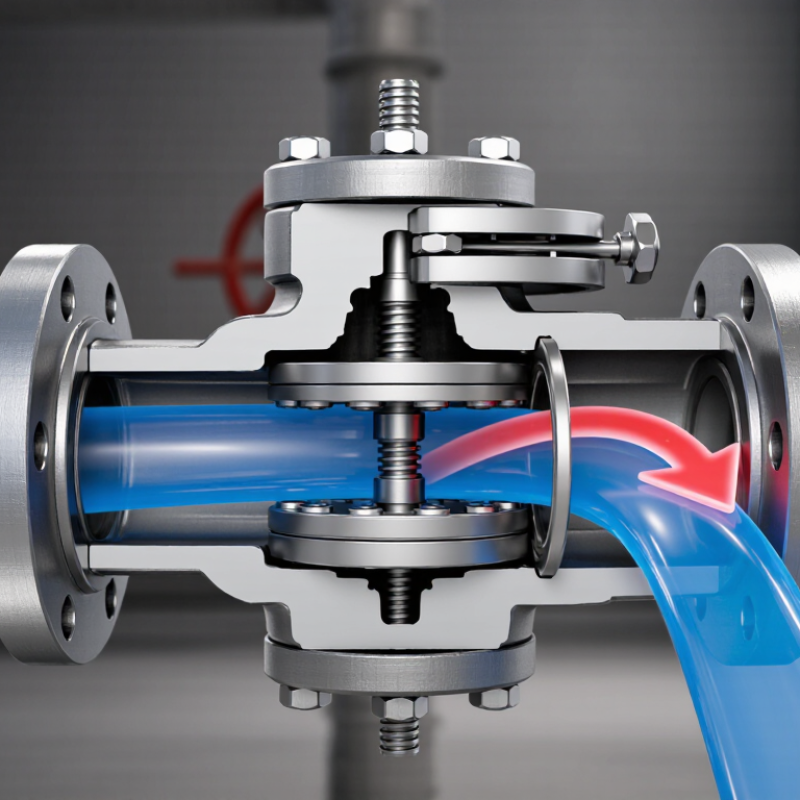
A swing check valve uses flowing fluid to open a hinged disc. Its main parts sit inside a compact body. The body contains the pressure passage and protects the internal mechanism. A removable bonnet provides access during inspection and maintenance. The disc moves around a hinge pin fixed near the upper body. It swings away from the seat when fluid travels forward. Then, gravity and reverse flow push it closed. It sounds simple.

The valve seat forms the sealing surface around the flow opening. The disc must contact this seat evenly, without visible gaps or damage. A hinge arm transfers disc movement to the pin. Some designs include a stop that limits the disc’s opening angle. Gaskets seal the bonnet joint and prevent external leakage. Material selection matters because temperature, pressure, and fluid chemistry affect wear. A rough seat can cause leakage, even when the disc appears undamaged.

In field inspections, technicians usually check the hinge pin, disc edge, seat, and gasket condition. They also look for deposits that restrict movement. The disc should swing freely, but excessive looseness may signal wear. This is where assumptions can mislead. A valve that closes quickly may reduce reverse flow, yet it can create pressure shock. A slower closing action may protect the pipeline but allow brief backflow. Correct installation direction, clean internals, and suitable maintenance records support reliable operation. The design is dependable, not flawless.

What Is a Swing Check Valve and How Does It Work?

A swing check valve uses a hinged disc to permit flow in one direction and prevent reverse flow. The disc opens when inlet pressure exceeds outlet pressure and closes when the flow reverses.

Chart explanation: The chart shows the representative number of principal parts in each functional group of a swing check valve. The body and cover form the pressure boundary, while the disc, seat, hinge, hinge pin, and gasket control shutoff and movement. Exact construction varies with valve size, pressure class, material, and design.

How a Swing Check Valve Operates Step by Step

What Is a Swing Check Valve and How Does It Work?

A swing check valve uses a hinged disc to control one-way flow. According to a 2024 industry market report from Global Market Insights, the global check valve market is expected to grow at about 5% annually through 2032. That demand reflects their use in water, process, and energy systems.

How a Swing Check Valve Operates Step by Step

The process is simple. Fluid pressure pushes the disc away from its seat. The disc swings open around its hinge, allowing flow through the body. When pressure drops, gravity and reverse flow move the disc back. It then contacts the seat and limits backflow. The closing speed depends on disc weight, hinge design, pipe velocity, and installation angle. A slow closure may cause reverse movement. A fast closure can create water hammer. It is not always predictable.

The valve should match the line size and operating conditions. API 6D and ASME B16.34 provide widely used requirements for pipeline valves, pressure boundaries, and testing. Field inspections should check hinge freedom, seat wear, corrosion, and debris near the disc. Tips: Install the valve with the hinge correctly aligned. Keep the flow arrow visible. Measure pressure before and after the valve. A small pressure difference can reveal fouling. However, one reading is not enough. Temperature, pump cycling, and pipe vibration also matter.

Common Types and Material Options

A swing check valve allows fluid to move in one direction and blocks reverse flow. Its disc hangs from a hinge inside the valve body. Forward pressure lifts the disc, while reverse pressure pushes it onto the seat. The movement is simple, but installation details matter. A poorly positioned valve may close slowly or create water hammer.

Common designs include the conventional swing check valve, tilting-disc check valve, and wafer-style swing check valve. A conventional disc suits many water and low-velocity services. A tilting disc pivots near its center, which can reduce closing distance and improve response. Wafer designs are compact and fit between pipe flanges. Spring-assisted versions close faster, but they may create higher pressure loss.

Material selection depends on the fluid, temperature, pressure, and surrounding environment. Cast iron is practical for many water systems and moderate service. Ductile iron offers better mechanical strength. Carbon steel handles demanding pressure conditions, while stainless steel resists many corrosive fluids. Bronze can suit clean water and marine-related applications. Plastic bodies may work in lighter chemical or low-pressure systems, but temperature limits require careful checking.

Seat materials deserve equal attention. Metal seats tolerate heat and rough service, while elastomer seats often provide tighter closure. Compatibility is not always obvious. A material that survives the fluid may still fail under heat, abrasion, or repeated impact. Engineers should verify pressure ratings, flow direction, pipe orientation, and maintenance access before installation. During inspection, a worn hinge or damaged seat often reveals the real cause of leakage.

Applications, Benefits, and Maintenance Considerations

A swing check valve uses a hinged disc to control one-way flow. When fluid moves forward, pressure lifts the disc from its seat. When flow slows or reverses, gravity and back pressure return the disc to its closed position. This action helps protect pumps, pipelines, and storage equipment from reverse flow. It operates automatically, without external power or manual control.

Swing check valves are widely used in water treatment, irrigation, drainage, fire protection, and industrial process piping. Their broad passage can create relatively low pressure loss during normal flow. They are especially useful where steady, horizontal flow is available. Installation direction matters. An arrow on the valve body should match the intended flow path. A small error can cause poor operation. That detail is easy to overlook.

Maintenance should include regular checks for worn seats, damaged hinges, corrosion, and trapped debris. Technicians can listen for repeated slamming, which may indicate unstable flow or water hammer. Cleaning the disc and hinge area often restores movement, but damaged parts require replacement. The valve should also be isolated and depressurized before inspection. It is not maintenance-free. A common assumption is that a quiet valve is a healthy valve, but internal wear may remain unnoticed. Operating records, pressure readings, and periodic visual inspections provide stronger evidence of reliable performance.