Top 10 Actuator Valves to Boost Your Industrial Efficiency?
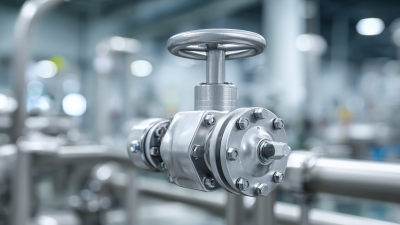
In today's industrial landscape, the efficiency of operations hinges significantly on the choice of components like actuator valves. As Richard Thompson, a renowned expert in fluid control systems, once stated, "Choosing the right actuator valve can elevate production performance." This statement underlines the critical role actuator valves play in enhancing operational efficacy.
Actuator valves regulate flow and improve automation in various industrial processes. When optimally selected, they can lead to faster operation, less waste, and increased safety. Many industries, from oil and gas to food and beverage, rely heavily on these components. However, selecting an actuator valve isn't always straightforward. The multitude of options can overwhelm even seasoned professionals.
Industry experts suggest investing time in understanding valve specifications and compatibility. The right actuator valve can significantly reduce downtime and costs. Conversely, a poor choice can lead to inefficiencies or even failures. As industries strive for leaner operations, understanding actuator valve dynamics is more critical than ever. Balancing efficiency with sustainability remains a challenge that requires ongoing evaluation and adjustment.
Types of Actuator Valves and Their Applications in Industry
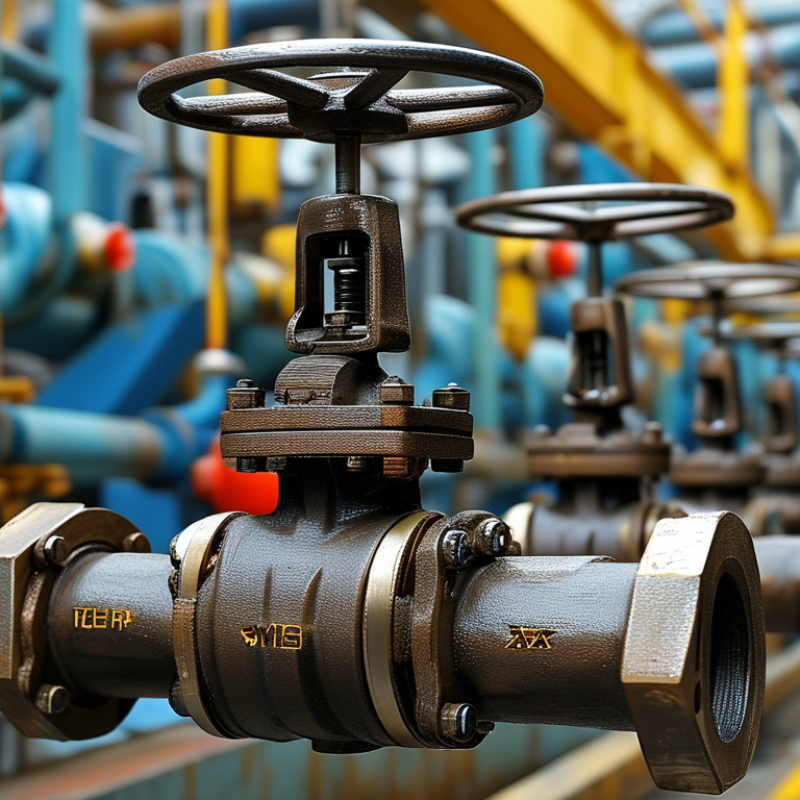
Actuator valves play a critical role in various industrial applications. These devices control the flow of fluids through pipes, ensuring processes run smoothly and efficiently. There are two main types of actuator valves: linear and rotary. Linear valves, like globe valves, use linear motion to stop or regulate flow. They are suitable for throttling applications. On the other hand, rotary valves, such as ball and butterfly valves, rotate 90 degrees to open and close. This design allows for quick operation, making them ideal for on-off functions.
In the manufacturing sector, actuator valves find extensive use. Their reliability and precision are key in controlling systems in chemical processes or water treatment plants. For instance, a butterfly valve can manage large volumes of water with minimal pressure drop. However, it’s essential to choose the right valve type for the specific application. Sometimes, even small details like sizing and material choice can significantly impact performance. It is crucial to conduct thorough evaluations to avoid operational failures.
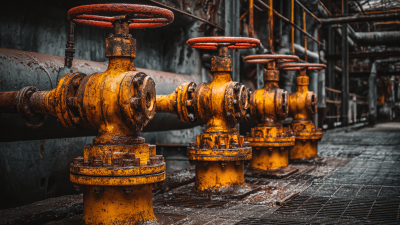
Moreover, actuator valves are subject to wear and tear. Regular maintenance is necessary to ensure longevity and optimal functioning. Operators must also be aware of environmental conditions that may affect valve performance. Understanding these factors helps in making informed decisions and improving overall system efficiency. Missing these elements can lead to costly downtimes or inefficient processes.
Key Features to Consider When Choosing Actuator Valves
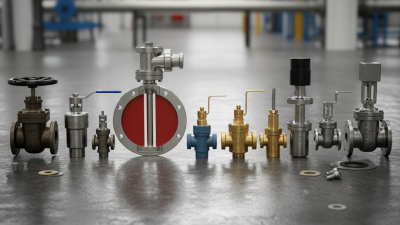
When selecting actuator valves, understanding key features is crucial. One important aspect is the valve type, such as globe, ball, or butterfly. Each type has specific benefits. Globe valves offer precise flow control, while ball valves provide quick shut-off capabilities. The choice depends on your operational needs.
Another vital consideration is the actuator's power source. Electric, pneumatic, and hydraulic actuators all serve different purposes. Electric actuators are energy-efficient and require less maintenance, yet they may not perform well in extreme conditions. Pneumatic actuators excel in speed but can be less precise. Each option presents its own challenges and rewards.
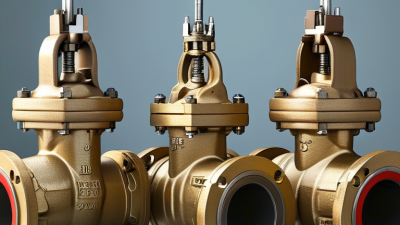
Lastly, the material construction of the actuator valve is important. Materials such as stainless steel or plastic will impact durability and compatibility with various fluids. The right choice might prevent leaks and corrosion. Reflecting on your facility’s specific requirements can lead to better decisions. Balancing efficiency, cost, and reliability in actuator selection will enhance your operations significantly.
Top Brands and Models of Actuator Valves for Industrial Use
Actuator valves play a critical role in enhancing industrial efficiency. They control the flow of fluids and gases in various systems. With many brands available, choosing the right model is essential. The best options often feature durable materials and advanced automation capabilities. Look for valves that withstand high pressure and temperature. These factors influence their longevity and performance.
Several top manufacturers specialize in actuator valves. They focus on precision engineering and reliable operation. Users need to consider aspects like control methods and compatibility with existing systems. An effective actuator valve should minimize energy consumption while maximizing throughput. Feedback systems and sensors can enable real-time performance monitoring, which is invaluable.
It's not always easy to select the ideal actuator valve. There are many variables to consider. Assessing specific needs can reveal gaps in current systems. Maintenance and replacement strategies also impact the overall efficiency. Investing time in research pays off in the long run, leading to enhanced productivity and reduced downtime.
Top 10 Actuator Valves to Boost Your Industrial Efficiency
| Valve Type |
Operating Mode |
Material |
Pressure Rating |
Temperature Range |
Applications |
| Ball Valve |
Electric |
Stainless Steel |
150 psi |
-20 to 120 °C |
Water Treatment |
| Gate Valve |
Pneumatic |
Carbon Steel |
300 psi |
-10 to 150 °C |
Oil and Gas |
| Globe Valve |
Hydraulic |
Brass |
200 psi |
0 to 80 °C |
Chemical Processing |
| Butterfly Valve |
Electric |
PVC |
150 psi |
-10 to 70 °C |
Wastewater Management |
| Check Valve |
Gravity |
Aluminum |
250 psi |
-20 to 100 °C |
HVAC Applications |
| Pressure Relief Valve |
Spring Loaded |
Cast Iron |
600 psi |
-10 to 130 °C |
Steam Systems |
| Solenoid Valve |
Electric |
Nylon |
150 psi |
-5 to 85 °C |
Automated Control |
| Actuating Pin Valve |
Manual |
Stainless Steel |
500 psi |
-20 to 100 °C |
Food Processing |
| Throttle Valve |
Pneumatic |
Bronze |
200 psi |
-15 to 90 °C |
Gas Distribution |
| Knife Gate Valve |
Manual |
Stainless Steel |
400 psi |
-20 to 120 °C |
Slurry Handling |
Comparative Analysis of Actuator Valve Performance Metrics
Actuator valves play a crucial role in enhancing industrial efficiency. A recent report from the International Society of Automation highlights that optimized actuator valve performance can reduce energy consumption by up to 30%. This reduction not only lowers operational costs but also minimizes environmental impact. When evaluating actuator valves, several performance metrics come into play. Key factors include response time, precision control, and durability.
Response time is vital for processes that require immediate adjustments. Studies show that valves with a response time under 0.5 seconds can significantly improve throughput in manufacturing environments. Precision control is another critical metric. Actuator valves that maintain a positioning accuracy of 1% or better ensure consistent operation, minimizing waste and material loss.
Durability also matters in harsh industrial settings. Research indicates that valves constructed from high-grade materials show a failure rate 20% lower than their standard counterparts. However, while performance metrics provide valuable insights, over-reliance on data can overlook real-world variables. Factors like environmental conditions and system compatibility can greatly impact valve efficiency. Industries must constantly assess both the quantitative data and qualitative aspects to fully understand actuator valve performance.
Maintenance Tips to Enhance the Lifespan of Actuator Valves
Proper maintenance of actuator valves is crucial for optimal performance and longevity. Regular inspections help identify potential issues before they escalate. Routine checks on seals, springs, and electronic controls ensure every component functions correctly. Consider developing a checklist for frequent evaluations. This strategy can save costs by preventing major repairs.
Lubrication is key. Use suitable greases for valve components to reduce wear and tear. An incorrect lubricant can lead to malfunction. It’s essential to follow manufacturer guidelines for lubrication frequency. Avoid excessive lubrication; it can attract dirt and cause blockages.
Sometimes, even with diligent care, issues arise. Spool valves may become stuck due to debris. Regularly flushing the system can alleviate this problem. Implementing a cleaning regime often avoids disruptive breakdowns. Training staff on maintenance practices can help foster an environment of awareness and responsibility. Building a culture of pride in equipment management reflects positively on overall efficiency.
Top 10 Actuator Valves to Boost Your Industrial Efficiency
This bar chart illustrates the performance impact of the top 10 actuator valves commonly used in industrial applications. The data shows the estimated efficiency improvement percentage these valves provide, highlighting the importance of selecting the right actuator valve for enhanced operational efficiency.