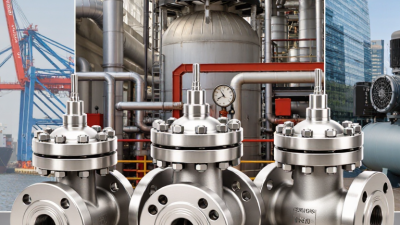
Choosing a low pressure relief valve is not simply a matter of matching a pipe connection. Set pressure, fluid properties, backpressure, capacity, and discharge routing all affect performance. A small spring-loaded valve may suit a compact air receiver, while a pilot-operated design may offer tighter control in a larger, steadier process. Details matter. A catalog rating alone does not confirm that a valve fits the system.
Market context can help buyers compare options, but published estimates need careful reading. Grand View Research’s Pressure Relief Valve Market analysis and Mordor Intelligence’s market coverage examine demand across applications and product categories. Their figures may differ because market scope, product grouping, and forecast periods are not always identical. Treat forecasts as context, not as equipment-selection instructions. For engineering checks, consult applicable references such as API 520 and API 521, alongside ASME Boiler and Pressure Vessel Code requirements where relevant. These standards address sizing, installation, and pressure-relief-system design; they do not replace a qualified review of actual operating conditions.
This 2026 guide compares common low-pressure valve types by how they operate, where they are typically used, and what buyers should verify before ordering. Look closely at the set-pressure range, certified capacity, materials, connection size, and maintenance access. Ask suppliers for documented test data. One point deserves reflection: a low purchase price can conceal costly installation or service constraints. The best choice is the one supported by sound calculations, clear documentation, and the real conditions at the vessel—not just a product-page specification.
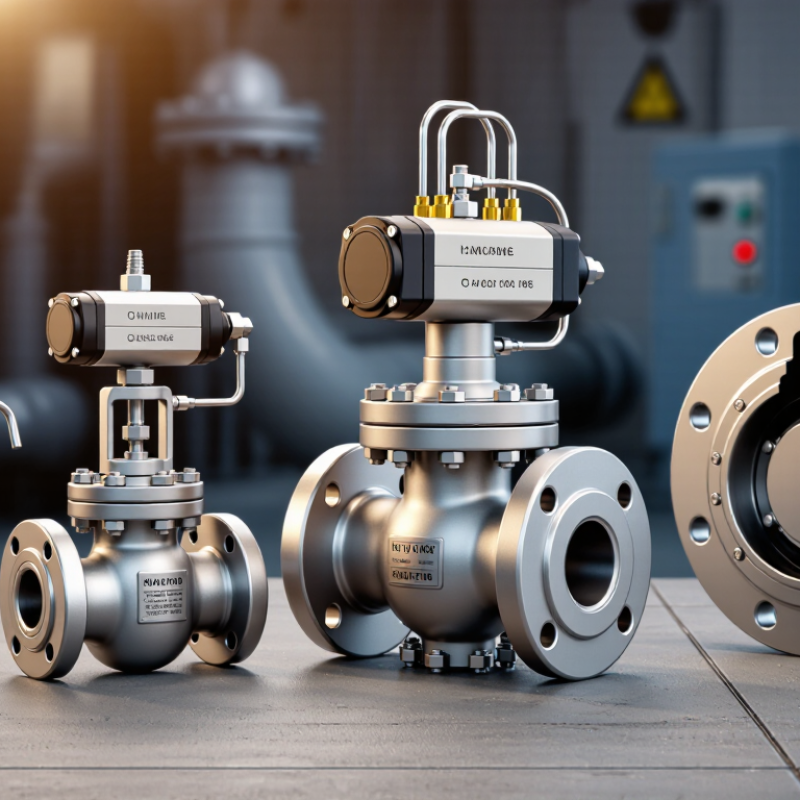
Low-pressure relief valves protect tanks and piping that operate only slightly above atmospheric pressure. They open when internal pressure reaches a preset limit, releasing gas or vapor before the equipment is overstressed. Some designs also admit air when a tank faces excessive vacuum. They are not pressure regulators: a relief valve responds to an unsafe condition, rather than maintaining routine operating pressure.
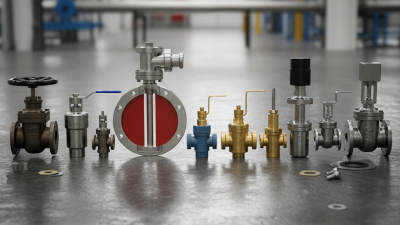
Common options include spring-loaded valves for straightforward service and pressure-vacuum vent valves for storage tanks exposed to filling, emptying, or temperature changes. Pilot-operated designs may suit applications needing higher flow capacity or more precise pressure control, provided the system conditions are compatible. These valves appear on liquid storage tanks, low-pressure process vessels, and gas-handling lines. Small details count. Selection depends on set pressure, required discharge capacity, fluid, temperature, and backpressure—not just the pipe connection size. In the field, deposits or a poorly routed vent can affect performance. That part is easy to underestimate. Buyers should verify the valve’s certified capacity and material compatibility, then arrange inspection and testing at intervals suited to the service.
Low-pressure relief valves protect vessels, tanks, and piping from pressure exceeding a specified limit by releasing gas, vapor, or liquid. “Low pressure” depends on the system and applicable design standard; select a valve based on the equipment’s allowable pressure, required relieving capacity, operating conditions, and applicable codes.
| Valve type | How it works | Common uses | Key advantages | Buyer considerations |
|---|---|---|---|---|
| Direct spring-loaded relief valve | Process pressure acts directly against a spring-loaded disc. The valve opens when pressure reaches its set point and reseats as pressure falls. | Low-pressure process lines, small vessels, and equipment needing a self-contained pressure-relief device. | Simple construction, no external power, and relatively straightforward installation and maintenance. | Confirm that the design is suitable for the required set pressure, backpressure, fluid, temperature, and relieving capacity. Standard spring designs may be unsuitable for extremely low set pressures. |
| Weighted-pallet pressure vent | A weighted pallet rests on a vent opening. Tank pressure lifts the pallet when the pressure force exceeds the selected weight. | Atmospheric and low-pressure storage tanks, including tanks storing compatible liquids that generate vapor. | Can be designed for low tank-pressure settings and provides a direct vent path. | Check tank design limits, required venting capacity, weather protection, pallet sealing, and the effects of wind, fouling, or deposits. |
| Spring-loaded conservation vent | A spring holds the pressure pallet closed until tank pressure reaches the set point; many designs also include a separate vacuum pallet. | Low-pressure storage tanks where limiting routine vapor loss and protecting against pressure or vacuum are important. | Can help reduce normal breathing losses compared with an unrestricted opening; pressure and vacuum functions may be combined. | Verify pressure and vacuum settings independently, along with flow capacity, materials, emissions requirements, and compatibility with the stored vapor. |
| Pilot-operated relief valve | A pilot valve controls pressure that holds the main valve closed. At the specified condition, the pilot signals the main valve to open. | Selected process systems requiring accurate pressure control or high capacity where the main valve design and service conditions support pilot operation. | Can provide close pressure control and high capacity in suitable applications. | Review minimum operating pressure, pilot sensing arrangement, backpressure, fluid cleanliness, and maintenance needs. Not every pilot-operated design is suitable for very low-pressure tank service. |
| Combination pressure/vacuum vent | Separate pressure and vacuum elements open in response to positive tank pressure or internal vacuum, admitting or releasing gas as designed. | Storage tanks exposed to filling, emptying, temperature changes, or other conditions that can create both pressure and vacuum. | Provides two-way tank protection in one assembly and can support controlled tank breathing. | Size both directions for the relevant operating scenarios. A pressure/vacuum vent is not a substitute for evaluating emergency venting requirements. |
| Rupture disk (non-reclosing alternative) | A calibrated membrane bursts at a specified differential pressure, creating an opening. It does not automatically reseal. | Systems needing a non-reclosing pressure-relief device, or installations where a disk is used with a relief valve as part of an engineered arrangement. | No moving parts and a tight seal before activation. | It is a one-time device, not a reusable valve. Account for replacement, temperature effects, differential pressure, fragments, and any effect on a downstream relief valve. |
Selection note: Set pressure must be consistent with the protected equipment’s allowable pressure and the applicable design basis. Determine required capacity for credible scenarios, including blocked outlets, thermal expansion, gas generation, and tank filling or emptying where relevant. Confirm materials, temperature range, backpressure, discharge routing, and applicable standards with a qualified engineer. Actual settings and capacity are design-specific; consult the valve documentation and governing requirements.