Covering Wire Tips for Global Buyers What You Need to Know?
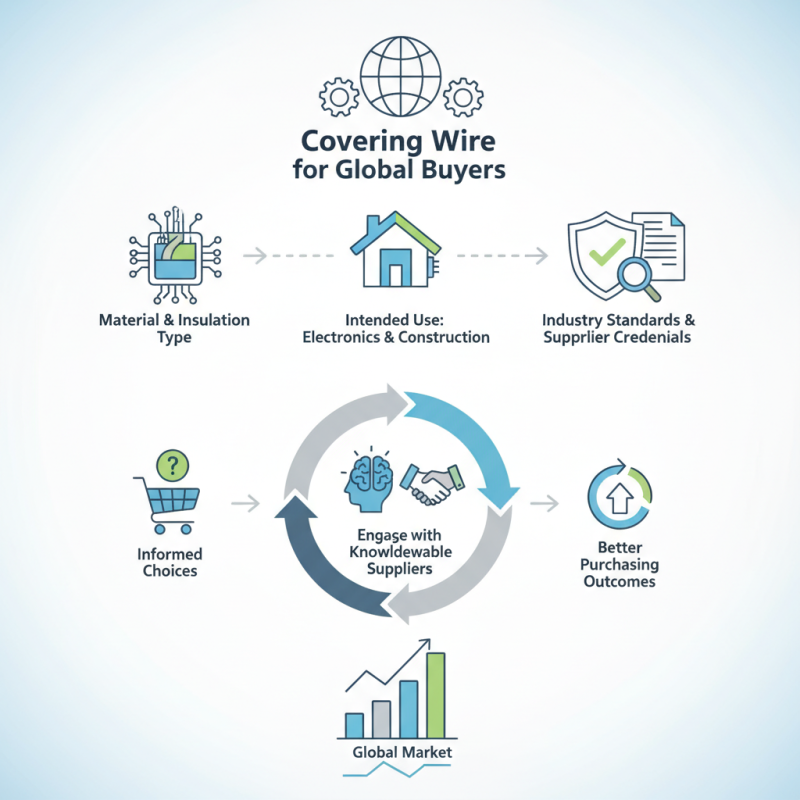
In today's global market, understanding "Covering Wire" is essential for buyers. This component plays a critical role in various applications, including electronics and construction. Selecting the right type can directly influence product quality and performance.
Many manufacturers offer a range of covering wire options, each with distinct properties. Buyers should consider factors like material, insulation type, and intended use. However, it can be overwhelming to navigate this landscape without proper guidance.
It’s crucial to stay informed about industry standards and supplier credentials. Ignoring this information can lead to purchasing decisions that may not meet expectations. Engage with knowledgeable suppliers and seek reviews to ensure you make informed choices. Understanding covering wire deeply fosters better purchasing outcomes.
Understanding Different Types of Covering Wires Available Globally
When looking at covering wires, buyers encounter diverse types across the globe. These wires vary in materials, applications, and specifications. Understanding the differences can be overwhelming, yet crucial for informed decisions.
Many covering wires utilize PVC, rubber, or silicone. PVC is common for its durability and cost-effectiveness. Rubber offers flexibility, suitable for tight spaces. Silicone possesses high-temperature resistance. Each material has advantages and drawbacks. A buyer must weigh these factors based on their specific needs.
Testing and quality assurance play vital roles. It’s essential to assess the performance standards of covering wires. Misalignment in expectations can lead to operational failures. Be cautious about sourcing wires without due diligence. Emphasizing quality ensures reliability in both performance and safety.
Global Covering Wire Types Distribution
Key Factors to Consider When Buying Covering Wires
When buying covering wires, several crucial factors come into play. The material of the wire significantly affects its conductivity and durability. Copper and aluminum are common choices, each with distinct properties. Copper offers superior conductivity, while aluminum is lighter and more cost-effective.
Consider the wire's insulation type. The insulation needs to match the application environment, whether it’s high heat or moisture exposure. PVC and XLPE are common insulators, but each has its strengths and weaknesses. Evaluate your specific needs before making a choice.
Be mindful of certifications and compliance standards. Choosing wires that meet international safety standards ensures reliability. Not all suppliers provide certified products. Always verify their claims and ask for documentation when necessary. This attention to detail can prevent potential issues later on.
Quality Standards and Certifications for Covering Wires
When purchasing covering wires, understanding quality standards and certifications is crucial. These guidelines ensure products meet safety, performance, and reliability benchmarks. Quality certification often indicates a manufacturer’s commitment to maintaining high production standards. However, not all certifications carry the same weight. Buyers must research which certifications are recognized globally.
ISO 9001 is a widely recognized quality management standard. It helps buyers determine if manufacturers have consistent and high-quality processes. Another important certification is UL, which focuses on safety. If covering wires meet UL standards, they are deemed safe for use in various applications. Still, buyers should verify the authenticity of these certifications. Some manufacturers may present misleading information.
Quality standards are not static; they evolve. As technology advances, so do expectations. Manufacturers must adapt to maintain their reputation. Buyers may encounter discrepancies in product offerings or updates in certification requirements. Regularly reviewing standards is essential, as the market landscape changes frequently. It is wise for buyers to seek expert advice when assessing the quality of covering wires.
Common Suppliers and Manufacturers of Covering Wires Worldwide
When sourcing covering wires globally, understanding suppliers and manufacturers is crucial. Many countries specialize in wire production, each offering unique advantages. For instance, certain regions are known for high-quality materials, while others excel in cost efficiency. Identifying reliable suppliers can be challenging but essential for your business's success.
Several countries have established strong reputations in the covering wires market. Asia, particularly China and India, has numerous manufacturers. They provide various wire types and at competitive prices. European suppliers often highlight advanced technology and quality control processes. Such differences play a vital role in making informed purchasing decisions.
However, it is important to reflect on the complexities involved. Not all manufacturers meet the same standards of reliability and quality. It's wise to conduct thorough research and seek reviews. Networking with professionals in the industry can also provide insights. Awareness of these factors ensures better choices in an ever-evolving market.
Covering Wire Tips for Global Buyers: What You Need to Know?
| Region | Common Wire Types | Material Types | Average Price per Meter ($) | Lead Time (Days) |
| North America | PVC Coated Wire | PVC, Steel | 0.50 | 14 |
| Europe | Galvanized Wire | Steel, Zinc | 0.70 | 21 |
| Asia | Insulated Wire | Copper, PVC | 0.60 | 10 |
| South America | Aluminum Wire | Aluminum | 0.80 | 30 |
Best Practices for Sourcing Covering Wires in the Global Market
Sourcing covering wires in the global market demands thorough knowledge and strategic approaches. According to a 2022 market report by Grand View Research, the global wire market is expected to reach $228.54 billion by 2025. As international buyers, understanding supplier capabilities is crucial. Not all manufacturers adhere to the same standards of quality and reliability. Therefore, rigorous supplier audits are essential to ensure compliance with technical specifications.
Another aspect to consider is the importance of material sourcing. The raw materials for covering wires often vary, impacting durability and performance. A study by MarketsandMarkets highlights that eco-friendly materials are increasingly preferred, with a 7.1% CAGR forecast in the next five years. However, navigating this preference requires knowledge about the environmental certification processes. Many suppliers may claim sustainability but lack formal validation.
Buyers should also factor in logistical challenges. Shipping costs can significantly influence overall pricing. A report by Logistics Management indicated that freight transportation costs have surged by 19% in recent years. This fluctuation can affect supply chain reliability and pricing, necessitating careful evaluation of shipping options. Awareness of these industry trends enables buyers to navigate potential pitfalls effectively.