Back
Contact us

Why Choose RFID Wristbands for Events and Access?

Event organizers are searching for faster, safer, and more practical ways to manage crowded venues. A Rfid Wristband can support that goal by combining identification, access control, and cashless interaction in one wearable device. Guests can tap a reader at a gate, enter a VIP area, or purchase refreshments without repeatedly showing paper tickets or searching through pockets.

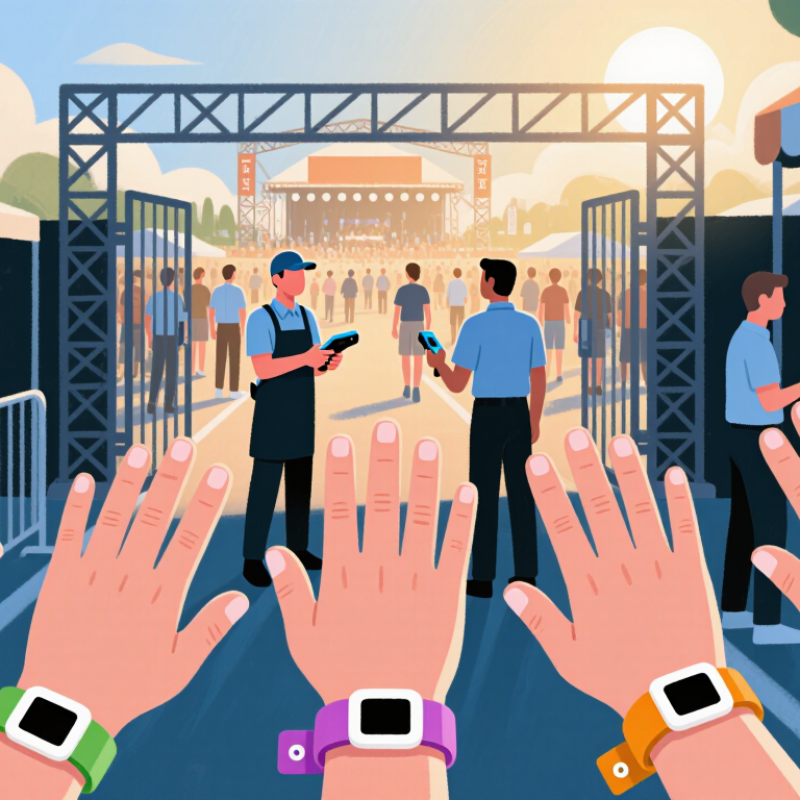
The value becomes clearer in real settings. At a weekend music festival, staff can scan wristbands at several entrances while visitors move through bright sunlight, dust, and long queues. The system can provide useful attendance data and reduce manual checking. It may also improve the guest experience because the wristband stays attached throughout the event. Small details matter.

Mark Roberti, founder of RFID Journal, once described the technology this way: “RFID is not a technology looking for a problem.” His point remains relevant. Event teams should choose a Rfid Wristband because it addresses specific operational needs, not because it sounds modern. A thoughtful deployment considers reader placement, data protection, battery-free designs, accessibility, and backup procedures. Technology should support people.

There are limits. Poor setup can create missed scans, uncomfortable fitting, or confusing guest instructions. I have seen simple communication failures undermine otherwise strong systems. That is why experienced suppliers test wristbands, readers, and software together before opening day. They also train staff with realistic queue scenarios. When planning is careful, a Rfid Wristband can strengthen security, improve movement, and create a smoother event experience without adding unnecessary complexity.
Why Choose RFID Wristbands for Events and Access?

What RFID Wristbands Are and How They Work

Why Choose RFID Wristbands for Events and Access?

RFID wristbands contain a small chip and antenna inside a flexible band. The chip stores a unique identifier, not a full personal profile. When a reader sends radio energy, the wristband responds wirelessly. The system then checks that identifier against approved access rules. No battery is usually required for passive RFID. It is quick, quiet, and practical at crowded entrances.

The process resembles a digital handshake. A guest taps or passes near a reader. The reader records the event, access point, and time. Staff can then manage entry, cashless purchases, or restricted zones through connected software. A 2024 report from MarketsandMarkets valued the global RFID market at approximately 17.9 billion US dollars. It projects strong growth through 2030, driven by tracking and automated identification needs. These figures suggest wider adoption, but market growth does not guarantee a perfect event system.

A wristband is not magic. Read errors can occur when bands overlap, readers are poorly positioned, or hardware meets interference. Event teams should test different wrist sizes, clothing materials, and entry speeds before opening. Data protection also matters. Collect only necessary information, limit staff permissions, and remove records according to a clear retention policy. NIST guidance on access-control systems emphasizes authentication, authorization, and auditability. RFID supports these controls, but it cannot replace them. That distinction is easy to miss.

How RFID Wristbands Streamline Event Access

RFID wristbands streamline event access by replacing manual ticket checks with quick, contactless verification. Guests can present a wristband near a reader, often reducing queues at busy entrances. Staff receive a clear access signal, while attendees keep their phones in their pockets. This matters when rain, bright sunlight, or crowded walkways make screen-based tickets inconvenient. In practice, organizers can assign access levels before opening, such as general admission, backstage, or workshop entry. Usage records also help teams identify pressure points and adjust staffing during the event.

Tips: Test every reader with real wristbands before doors open. Mark entry lanes visibly. Keep a trained staff member nearby for damaged or unreadable bands. Explain the replacement process clearly, and avoid collecting unnecessary personal information. Clear communication builds trust.

RFID can also support cashless purchases, locker access, and session check-ins, depending on the system design. However, it is not a magic solution. Poor reader placement, weak staff training, or unclear privacy notices can create frustration. A small delay becomes noticeable when hundreds of people arrive together. Teams should review access logs, incident notes, and attendee feedback after each event. That review may reveal an uncomfortable truth: faster scanning does not always mean a better guest experience. Reliability comes from repeated testing, sensible data controls, and human support when technology fails.

Benefits of RFID Wristbands for Security and Efficiency

RFID wristbands give event teams a practical way to manage entry, movement, and payment areas. At a busy gate, staff can scan a wristband in seconds instead of checking printed tickets manually. This reduces queues and helps workers focus on unusual cases. Shorter lines matter.

Each wristband can carry permission data for specific zones, dates, or service levels. A guest may enter the concert area but not the staff room. This supports layered security without making every visitor explain their access repeatedly. Real-time scan records can also show where congestion develops. Security managers can adjust entrances before small delays become major problems.

The system is efficient, but it is not magic. Poorly trained staff, weak network coverage, or unclear access rules can still create failures. Event planners should test scanners at crowded gates and prepare a controlled backup process. Wristbands should be assigned carefully, with personal data limited to what the event truly needs. In my experience, the best results come from simple procedures: scan, verify, assist. Some teams expect technology to solve every access issue. That expectation needs reconsideration. Human judgment remains essential when a wristband is damaged, shared, or rejected unexpectedly.

Common Event and Access-Control Applications

RFID wristbands help event teams manage entry with a quick tap at a reader. At a busy festival, staff can verify a ticket while guests keep moving. Shorter queues matter. The same band may support access to food areas, workshops, lounges, or age-restricted zones. Event organizers can assign permissions before opening day. They can also review entry times and capacity data through a secure management system.

Common access-control applications include conferences, sports venues, swimming facilities, campuses, and temporary exhibitions. A wristband can open an approved door or identify a registered participant at a checkpoint. It reduces the need for printed tickets and visible plastic cards. For multi-day events, staff can issue different access levels by color, account setting, or wristband type. However, color alone is not reliable enough. Lighting changes, damaged bands, and rushed checks can cause mistakes.

Good planning includes clear reader placement, staff training, and a manual backup process. Readers should be tested near metal structures and crowded entrances, where performance may change. Personal data should remain in the event system rather than on the band whenever practical. Access logs also need limited permissions and a defined retention period. RFID is useful, but it is not magic. A guest may lose a wristband, a reader may fail, or a database may contain an error. Regular checks and human judgment still matter.

Key Factors for Choosing and Implementing RFID Wristbands

Choosing RFID wristbands for an event starts with the operating workflow, not the device itself. Entry speed, access zones, cashless payments, and guest comfort should shape the specification. Grand View Research valued the global RFID market at approximately USD 14.8 billion in 2023, reflecting wider confidence in contactless identification. However, market growth does not guarantee a smooth event. Data matters.

Begin with the wristband material and reader environment. A waterproof, adjustable band suits festivals, pools, and multi-day exhibitions. Check reading distance near metal structures, turnstiles, and crowded entrances. Test the wristband with wet hands and under poor lighting. Start with the workflow. A small pilot can reveal queue delays, weak scan points, and incorrect access permissions before opening day. The GS1 EPC RFID standards provide useful guidance for tag identification and system interoperability.

Data protection also deserves careful planning. Collect only the information needed for entry, payments, or attendance analysis. Separate wristband identifiers from personal details when possible. The International Association of Privacy Professionals emphasizes privacy-by-design principles, including limited collection and controlled retention. Staff need clear replacement procedures for lost or damaged bands. Keep a manual fallback. RFID is not magic.

In my experience, the cheapest wristband can create the highest operational cost. Battery-free passive tags usually simplify maintenance, but reader placement still determines performance. Review scan rates, queue times, failure records, and guest feedback after each event. Some assumptions will be wrong. That is useful evidence for the next implementation.

Why Choose RFID Wristbands for Events and Access?

Key factors include operating frequency, read distance, user interaction, and access-control requirements. The chart shows representative characteristics of the three RFID frequency ranges commonly considered for event wristbands.

HF and NFC systems operate at 13.56 MHz and are commonly selected for close-range ticket validation, cashless payments, and controlled interactions. UHF systems generally provide longer read distances for hands-free detection, while LF systems offer short-range identification and strong performance near some liquids and materials. Actual range depends on reader power, antenna design, wristband construction, environment, and local regulations.