Top Tips for Terminal Blocks Machining in Global Sourcing?
In the world of global sourcing, Terminal Blocks Machining stands as a critical process in manufacturing. These components serve as vital junction points for electrical connections. Their precision and reliability directly impact the efficiency of various applications. Understanding the intricacies of Terminal Blocks Machining is essential for professionals in the field.
Machining these components involves a careful balance of technology and expertise. Precision engineering plays a key role in achieving high-quality results. Moreover, sourcing quality materials can be a challenge. Navigating supplier relationships can lead to either success or setbacks. Each choice affects the final product.
While many have found success in Terminal Blocks Machining, common pitfalls exist. For instance, overlooking quality control can lead to faulty products. Similarly, inadequate communication with suppliers may result in misunderstandings. Therefore, reflecting on these aspects is crucial for continuous improvement. Embracing both challenges and successes will ultimately strengthen the machining process.
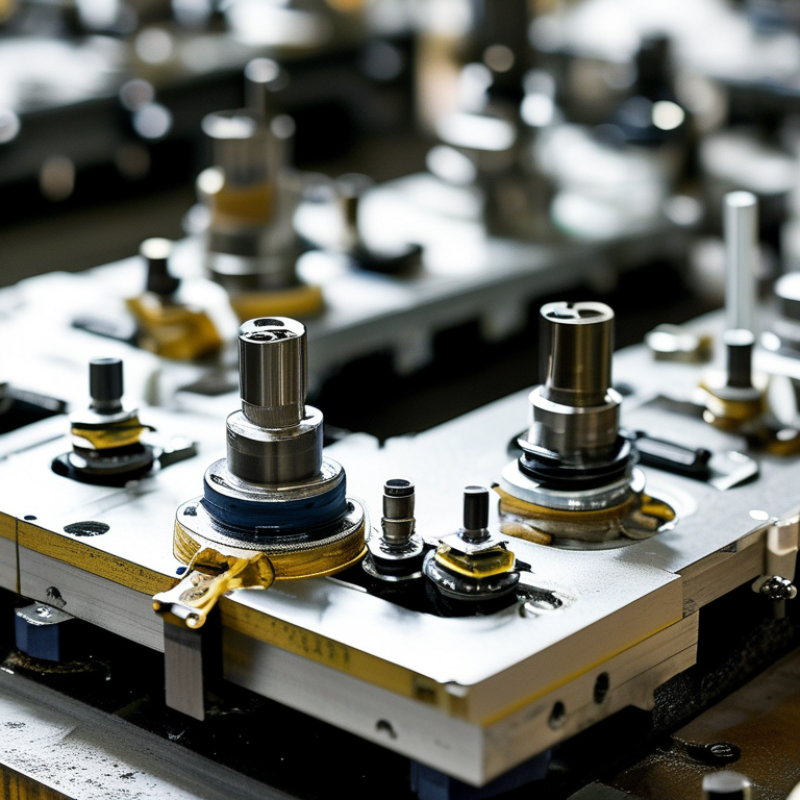
Understanding Terminal Blocks and Their Applications in Various Industries
Terminal blocks are essential components used in various industries to facilitate electrical connections. They provide a secure way to connect wires, and their applications range from automotive to aerospace. According to a recent report, the global terminal blocks market is projected to grow at a CAGR of 6.3% from 2022 to 2027. This growth reflects the increasing demand for reliable electrical systems in industrial applications.
One tip for effective terminal block machining is to ensure precise specifications. It is crucial to adhere to industry standards to avoid compatibility issues. Accuracy in dimensions can greatly influence the reliability of electrical connections. Additionally, selecting the right materials is vital; for instance, using high-quality copper or aluminum can enhance conductivity and resistance to corrosion.
Another key aspect is considering the environmental factors that could affect terminal blocks. Industries operating in extreme conditions need to choose terminal blocks designed for those environments. Regular maintenance checks can help identify wear and tear in electrical systems, ensuring they function optimally over time. This proactive approach can save costs and improve system reliability. Understanding these nuances ensures better application across various sectors.
Key Factors Impacting the Machining Process of Terminal Blocks
The machining process of terminal blocks is influenced by several key factors. Material selection is critical. Choosing the right materials ensures durability and functionality. For instance, plastic and metal composites are commonly used. Each material requires specific machining techniques and tools. Failure to optimize these selections can lead to inefficiencies.
Precision in machining is another crucial aspect. Variations in measurements can result in poor fit or malfunction. Utilizing advanced CNC machines can help increase accuracy. It's essential, however, to regularly maintain equipment to prevent deviations. Operator skill also plays a significant role. Trained staff can navigate intricate designs better than those without experience.
Additionally, the environment impacts machining efficiency. Dust and temperature fluctuations can affect machinery performance. Implementing a controlled environment can mitigate these issues. Moreover, suppliers often face pressure to reduce costs. Cutting corners can result in longer-term risks. Assessing supplier capabilities is vital for sustained quality.
Materials Selection for Effective Terminal Blocks Machining
Selecting the right materials is crucial for effective terminal blocks machining in global sourcing. Engineers often rely on data from industry reports which highlight that approximately 70% of machining failures are linked to material selection. Therefore, understanding the properties of various materials is essential. For instance, metals like copper and aluminum offer high conductivity, but they differ in cost and machinability.
When choosing materials, consider their thermal and electrical characteristics. Thermoplastics may be suitable for specific applications due to their lightweight and corrosion resistance. Yet, they can present challenges during machining, leading to higher scrap rates. A study showed that proper machining parameters can reduce waste by up to 30%.
Here are some quick tips:
- Always match your material choice with the application.
- Test different machining parameters on sample materials to ensure efficiency.
- Stay updated on evolving materials trends; they can significantly impact production costs and quality.
Choosing the right material can be a complex task. Experimentation and continuous learning will help refine your choices. Engaging with
material experts can also provide valuable insights into the latest standards and practices in terminal block machining.
Best Practices for Quality Assurance in Terminal Block Production
In terminal block production, quality assurance is crucial. Poorly machined blocks can lead to electrical failures and safety hazards. Implementing solid practices can enhance product reliability.
Regular inspections in the machining phase often catch defects early. Visual checks help identify surface irregularities. These inspections should be systematic and document findings to track patterns over time. Furthermore, calibration of machinery is vital. Regular checks ensure all equipment operates within specified tolerances. Neglecting this can jeopardize the entire production process.
Training employees is equally important. Skilled operators are key to maintaining quality. They should understand the material properties and the machining techniques required. Continuous learning can help refine their skills. However, it's essential to acknowledge training gaps. Employees may not always recognize time-saving shortcuts that compromise quality. Addressing these issues openly fosters a culture of improvement within the team.
Strategies for Sourcing Terminal Block Components Globally
When sourcing terminal block components globally, clear strategies can make a significant difference. It’s essential to assess suppliers carefully. Look for those with a proven track record in quality and reliability. Local certifications and quality management systems can provide insight into their operational standards.
A crucial tip is to establish strong communication channels. Clarity helps prevent misunderstandings during the sourcing process. Regular updates from suppliers can maintain transparency. Additionally, it’s important to visit production facilities when possible. This adds a layer of trust and can reveal operational realities that paperwork cannot.
Consider diversifying your supplier base. Relying too heavily on one source can lead to risks, like supply chain disruptions. Explore multiple regions for potential suppliers. However, do weigh the benefits against the complexities that can arise with this approach. Balancing cost-effectiveness with quality often requires careful navigation and reflection on the part of the sourcing team.
Top Tips for Terminal Blocks Machining in Global Sourcing
This chart illustrates the importance levels of various factors when sourcing terminal block components globally. Each factor plays a crucial role in ensuring the efficiency and effectiveness of the sourcing strategy.

