Top 10 Screen Printing Materials for Your Business Success?
In the competitive world of screen printing, selecting the right "Screen Printing Materials" is crucial for achieving business success. These materials can significantly impact the quality of your prints and overall customer satisfaction. Understanding their importance is the first step towards thriving in this industry.
From inks to screens, the choices are vast and can be overwhelming. Some materials may promise high performance but fall short in reliability. Others might seem cost-effective initially but lead to costly mistakes later. It's essential to evaluate each option carefully. Your choices will influence your brand's reputation.
Investing in quality screen printing materials can set you apart from competitors. A well-informed selection can enhance your workflow, reduce waste, and optimize profitability. In this article, we will explore the top 10 screen printing materials that can help you navigate these challenges and build a successful business.
Essential Types of Screen Printing Inks for Quality Results
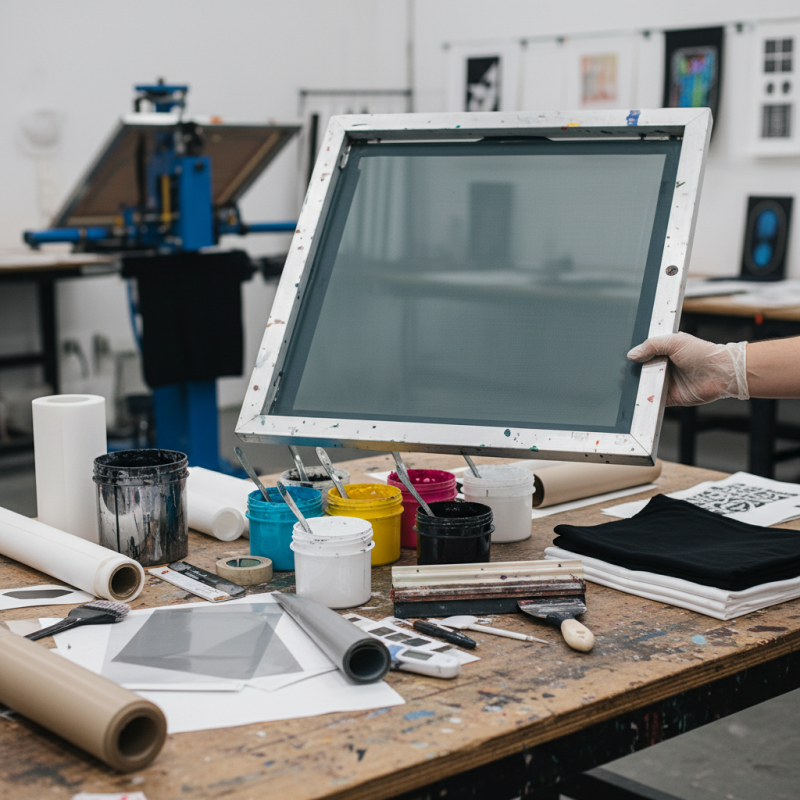
Screen printing is a vital component for businesses aiming to produce high-quality prints. The type of inks used can significantly affect the outcome of the final product. Experienced screen printers stress the importance of choosing the right inks to ensure durability and vibrancy. Water-based inks, for example, are environmentally friendly and ideal for soft prints. In contrast, plastisol inks offer exceptional opacity and are favored for their ease of use. According to a report by Smithers Pira, the screen printing ink market is projected to grow by 3.5% annually, highlighting the demand for quality materials in competitive industries.
When selecting inks, consider your specific applications. Discharge inks work well on dark fabrics by removing the dye from the garment, producing a softer feel. However, they require careful handling and mixing to achieve the desired results. Solvent-based inks remain popular for their versatility. These inks are suitable for a variety of substrates, from textiles to vinyl. The Screen Printing Association noted that about 45% of print shops rely on solvent inks, indicating their widespread acceptance.
Quality results depend not only on the inks but also on proper application techniques. Inexperienced printers may struggle with ink consistency and application pressure. Adjusting the squeegee angle can significantly impact the ink deposit. This aspect requires careful calibration, as even slight adjustments can lead to inconsistencies in print quality. Investing in ink testing and training can help mitigate these challenges, ultimately enhancing production efficiency and quality.
Top 10 Screen Printing Inks for Quality Results
This bar chart represents the top 10 screen printing inks based on their popularity and usage in the industry. The data illustrates the quantity of inks used per type, showcasing the preferences of screen printing businesses.
Choosing the Right Screen Mesh Count for Different Projects
When it comes to screen printing, selecting the right mesh count is crucial. The mesh count refers to the number of threads per inch in a screen. This detail affects ink flow and image quality. According to a report by Smithers Pira, approximately 80% of printers struggle with achieving the right balance between detail and ink density.
For intricate designs, a higher mesh count, such as 110 to 180, is ideal. These counts allow for finer details and smoother gradients. However, they may require more precise registration techniques. On the other hand, lower mesh counts, like 40 to 80, work well for bold graphics. They allow a thicker layer of ink, which is essential for vibrant colors. Yet, using a mesh count that's too low can result in loss of detail.
A common challenge in the industry involves choosing between speed and quality. Higher counts slow down production but enhance detail. As reported by the Screen Printing Association, 30% of shops face difficulties in maintaining consistent quality when changing mesh counts. Balancing these factors is vital. Understanding your specific project requirements can lead to better outcomes and ultimately, business success.
Best Types of Printing Substrates for Longevity and Vibrancy
Choosing the right substrates is crucial for screen printing. The longevity and vibrancy of printed designs heavily depend on the materials used. Cotton t-shirts are a popular choice, offering good color retention. However, they can fade over time. Polyester blends are also effective. They hold colors well and resist shrinking when washed, making them ideal for activewear.
Tips: Always test prints on different fabrics. This will help determine how colors appear across materials. Understand the fabric's texture and breathability. Some surfaces absorb inks differently, affecting the final outcome.
Consider using specialty materials for unique effects. For instance, canvas is perfect for art prints. It provides a textured finish, giving depth to designs. However, working with less common substrates can be tricky. You may face challenges like inconsistent ink flow. Keep experimenting to find what works best for your business.
Effective Screen Printing Equipment and Tools for Startups
When starting a screen printing business, the right equipment is essential for success. Quality screen printing machines can significantly influence output and product quality. Research indicates that nearly 40% of startups fail due to inadequate equipment and tools. A reliable manual press is often the first choice for emerging businesses. It allows for versatility and control, which is crucial for mastering techniques.
Investing in good screen exposure units can raise the final product quality. An exposure unit helps create sharp images, essential for intricate designs. Studies show that 30% of screen printing issues stem from poor image quality. Hence, understanding the importance of equipment is vital. Additionally, proper inks and substrates can affect durability and color vibrancy, with reports noting a direct correlation between material quality and customer satisfaction.
Don’t neglect other essential tools like squeegees and cleaning equipment. Regular maintenance of these tools can prevent costly mistakes. Even seasoned printers reflect on their choices. An initial wrong decision on equipment may lead to setbacks. Establishing a good workflow can mitigate these risks. Balancing quality with budget constraints is a common challenge. Yet, making informed decisions based on industry data can enhance business viability.
Key Maintenance Tips for Screen Printing Materials to Ensure Durability
Maintaining screen printing materials is crucial for longevity and effectiveness. Proper care ensures that inks and screens remain vibrant. Regular cleaning is essential. Use a non-toxic solution tailored for screen cleaning. This will prevent ink buildup, which can distort designs over time. Storage matters, too. Keep screens flat and in a cool, dry place. Avoid exposure to sunlight to prevent degradation.
Monitor your squeegees; they need attention. Inspect for wear and replace when necessary. Dull edges can lead to uneven prints. When using mesh screens, be mindful of stretching. Overstretching can cause irreversible damage. Rinse screens immediately after use to prevent clogging. Don’t let ink dry on them. This simple act can save you time and aggravation later.
Consider documenting your maintenance routine. It helps to track timelines and understand what works best for your setup. Reflect on any challenges that arise during usage. Every print job may present new learning opportunities. Regular adjustments can enhance overall quality and efficiency. Embracing these maintenance tips can lead to successful outcomes in your screen printing endeavors.
Top 10 Screen Printing Materials for Your Business Success
| Material Type | Description | Durability | Maintenance Tips |
| Screen Mesh | Fine fabric used to create stencil for printing. | High | Clean immediately after use; avoid harsh chemicals. |
| Inks | Pigment or dye used for applying colors. | Medium | Store in a cool place; seal tightly to prevent drying. |
| Emulsion | Coating used to create the stencil on the screen. | Medium | Keep away from UV light; store in a cool, dark place. |
| Squeegee | Tool used to push ink through the screen. | High | Clean after each use; replace blade as needed. |
| Plastisol Ink | Oil-based ink used for printed textiles. | Very High | Cure properly with heat; avoid overexposure to air. |
| Water-Based Ink | Eco-friendly ink that uses water as a solvent. | Medium | Clean up promptly; keep covered when not in use. |
| Screen Printing Press | Mechanical device used for printing designs. | High | Regularly lubricate moving parts; clean surfaces. |
| Curing Equipment | Used to set the ink after printing. | Very High | Maintain proper temperature; clean regularly. |
| Cleaning Solutions | Used to clean screens and tools. | Medium | Follow manufacturer instructions; store securely. |

