Top 10 Pressure Safety Valve Types You Should Consider?
In industries such as oil and gas, chemical processing, and power generation, pressure safety valves (PSVs) play a crucial role. According to a recent report by the American Society of Mechanical Engineers (ASME), effectively designed PSVs can prevent catastrophic failures and ensure safe operations. This emphasizes the importance of selecting the right type of pressure safety valve to meet specific needs.
Performance data shows that around 20% of industrial accidents involve pressure relief systems. This highlights a significant reliability gap in the use of PSVs. It's vital for engineers and safety managers to understand the various types of pressure safety valves available. Factors such as material compatibility, size, and set pressure are essential for optimal performance.
Selecting a suitable PSV is not just a matter of compliance; it's about enhancing operational safety and efficiency. A thorough understanding of different valve types helps in creating a robust safety strategy. As the industry evolves, reassessing our valve choices regularly is critical for mitigating risks effectively.
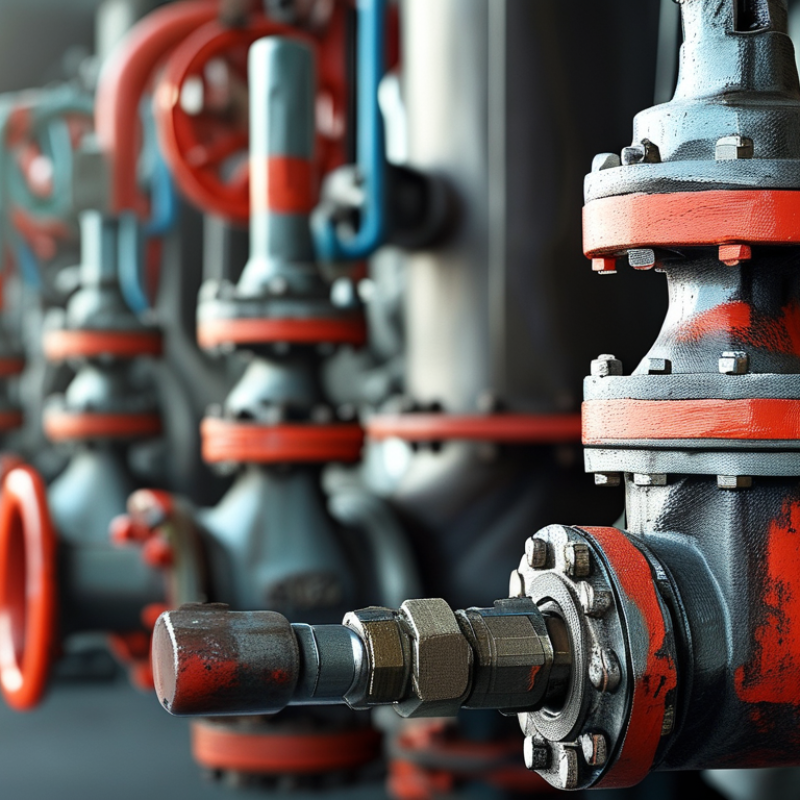
Overview of Pressure Safety Valves and Their Importance
Pressure safety valves are crucial for maintaining the integrity of industrial systems. Their primary function is to prevent over-pressurization, which can lead to catastrophic failures. These valves act as a safety net, allowing excess pressure to escape, thus protecting equipment and personnel. Without them, even a minor pressure spike could result in severe accidents.
Understanding the different types of pressure safety valves enhances their effectiveness. Each type offers unique features tailored to specific applications. For instance, spring-loaded valves are popular due to their reliability and simplicity. However, there can be installation mishaps, as incorrect sizing or positioning affects performance. Educating technicians on best practices is vital to ensure optimal use of these devices.
Routine maintenance of pressure safety valves is essential. Neglecting this can lead to corrosion or blockages, hindering their operation. A strong maintenance schedule fosters reliability. Yet, organizations often overlook this. Investing in training programs can help staff recognize potential issues before they escalate. This proactive approach can make a significant difference in ensuring safety and efficiency.
Top 10 Pressure Safety Valve Types You Should Consider
| Type |
Application |
Set Pressure Range (psi) |
Temperature Range (°F) |
Material |
| Spring Loaded |
Steam, Air |
15 - 400 |
-20 to 450 |
Stainless Steel |
| Pilot Operated |
Gas, Liquid |
10 - 3000 |
-40 to 400 |
Cast Iron |
| Diaphragm Type |
Hydraulic Systems |
5 - 1500 |
-20 to 300 |
Brass |
| Tandem Type |
Combustion Facilities |
50 - 5000 |
-10 to 600 |
Carbon Steel |
| Poppet Style |
Oil and Gas |
20 - 2000 |
-10 to 500 |
Alloy Steel |
| Low-Pressure |
Storage Tanks |
0 - 100 |
-40 to 200 |
Plastic |
| High-Pressure |
Boilers |
100 - 6000 |
0 to 800 |
Nickel Alloy |
| Thermal Relief |
Piping Systems |
20 - 500 |
-20 to 250 |
Stainless Steel |
| Safety Relief |
Compressors |
30 - 3000 |
0 to 500 |
Brass |
Types of Pressure Safety Valves: A Comparative Analysis
Pressure safety valves (PSVs) are critical components in industrial systems. Their primary function is to prevent equipment failure due to excessive pressure. A comparative analysis of the top types reveals significant differences that can affect efficiency and safety.
The spring-loaded PSV is the most common type, favored for its simplicity and reliability. Studies show that it accounts for about 60% of the market. These valves can quickly respond to pressure changes. However, they may not be suitable in all scenarios, especially where precision is essential.
Diaphragm valves are another option, ideal for low-pressure systems. They provide tight sealing and lower leak rates. On the other hand, pilot-operated valves excel in high-pressure environments. Yet, they may require additional maintenance. Efficiency varies across types, highlighting the importance of selecting the right valve for specific applications.
Consider these factors: compatibility with your system, the pressure range, and maintenance requirements. Engaging with industry professionals can provide insights to tailor your valve selection. Always review available data and reports to make informed decisions. Remember, the reliability of your PSVs is fundamental to operational safety.
Selection Criteria for Pressure Safety Valves
When selecting pressure safety valves, several criteria play a crucial role in ensuring safety and efficiency. First, consider the nominal size and type. According to industry reports, the valve’s size should correspond to the system’s flow requirements. An improperly sized valve can either lead to insufficient pressure relief or excessive wear and tear.
Another essential factor is the pressure rating. The valve must be rated for the maximum expected pressure within the system. Many accidents stem from under-rated valves failing in high-pressure situations. Reliability is paramount, and clients often seek valves with proven track records in similar applications.
Materials of construction also influence valve performance. Corrosion resistance and temperature tolerance are significant. For instance, using stainless steel can enhance both durability and reliability in harsh environments.
Tips: Always consult with experienced engineers before making selections. They can provide insights tailored to your specific conditions. Also, regularly scheduled maintenance can prevent failures.
Choosing the right pressure safety valve is not merely a technical task—it requires careful consideration of application and environment. Each detail counts. Avoid overlooking any aspects in your decision-making process. Your safety depends on it.
Common Applications of Different Pressure Safety Valve Types
Pressure safety valves (PSVs) are critical in various industries. They prevent the build-up of excess pressure in systems. Each valve type suits specific applications. For example, spring-loaded valves are widely used in steam systems. They respond to pressure changes quickly and efficiently.
Pneumatic valves are another option. They utilize compressed air for operation. These valves are common in chemical processing. They offer precise control in dynamic environments. Another popular type is the pilot-operated valve. It provides high capacity and is often used in storage tanks. This type reacts to pressure and can handle larger volumes.
When selecting a valve, consider the application and environment. Ensure the valve material matches the medium in use. Some materials corrode easily in certain conditions. Regular maintenance is vital. Inspect valves for wear and leaks to maintain safety. Proper sizing also matters. An oversized valve may respond sluggishly. Conversely, an undersized valve can fail under high pressure.
Maintenance and Best Practices for Pressure Safety Valves
Pressure safety valves (PSVs) play a critical role in maintaining system safety and reliability. Regular maintenance of these valves is paramount. According to the American Society of Mechanical Engineers (ASME), approximately 40% of equipment failures can be attributed to inadequately maintained pressure relief devices. This highlights the necessity for a structured maintenance routine. Operators should ensure regular inspections and testing based on ASME guidelines, ideally every year, to validate the functionality of the valves.
Best practices for PSVs include keeping accurate maintenance records. This data can provide insights into valve performance over time. Incorporating a documented preventive maintenance strategy can enhance operational efficiency. Without it, performance issues may go unnoticed until a failure occurs. Furthermore, as reported by the National Board of Boiler and Pressure Vessel Inspectors, improper installation practices contribute to nearly 30% of PSV failures. Addressing these concerns during initial installation and every subsequent maintenance check is essential to ensure safe and reliable operation.
Top 10 Pressure Safety Valve Types