Top 10 Factors to Consider When Choosing Titanium Round Bar Manufacture?
When selecting a Titanium Round Bar Manufacture, various factors come into play. The quality of the titanium material is crucial. A reputable manufacturer should offer high-grade titanium, ensuring durability and performance. Consider the manufacturer’s experience in the industry. Established companies often have a track record of delivering reliable products.
Additionally, the range of available sizes and specifications matters. A trustworthy supplier should provide customization options. It's essential to inquire about their production processes, as known methods can reflect on the final product's quality. Transparency in operations can indicate their expertise.
Lastly, customer service cannot be overlooked. A responsive manufacturer can address inquiries and provide support. Researching reviews and testimonials can reveal client satisfaction. Thus, taking the time to evaluate these crucial factors can greatly impact your choice in Titanium Round Bar Manufacture. Make informed decisions for the best outcomes.
Understanding Titanium Grades: The Key to Quality Round Bars
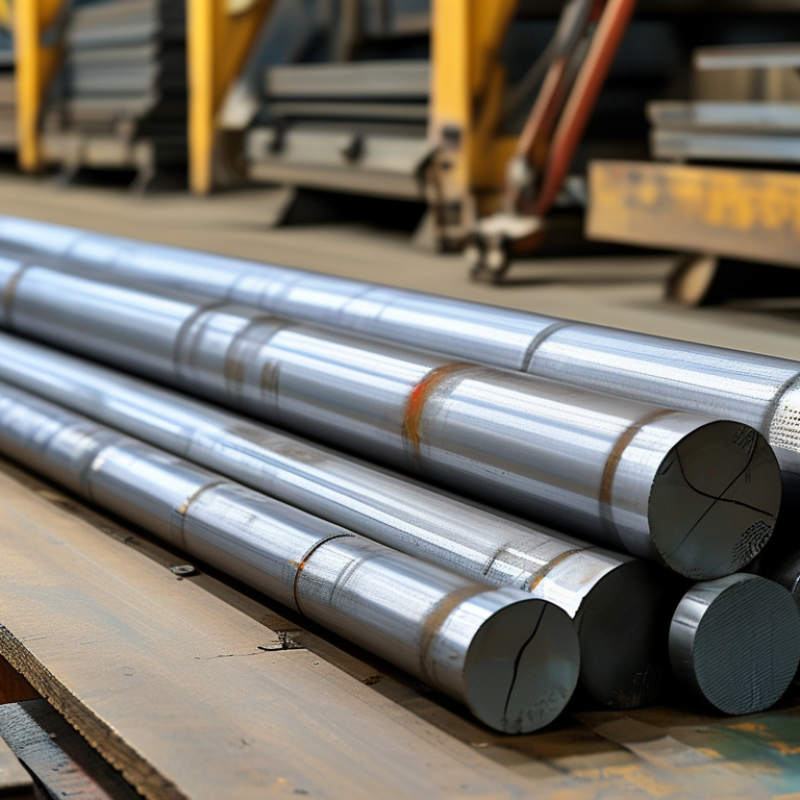
When selecting titanium round bars, understanding titanium grades is crucial. Titanium alloys are classified into several categories based on their composition. The most common grades include Grade 2, Grade 5, and Grade 9. Each grade has unique properties, such as strength, ductility, and resistance to corrosion.
Grade 5 titanium, also known as Ti-6Al-4V, is widely used in aerospace due to its high strength-to-weight ratio. Reports indicate that this alloy possesses a tensile strength of up to 130,000 psi. In contrast, Grade 2 titanium is commercially pure. It offers excellent corrosion resistance and is often used in chemical processing. Its strength is lower, around 60,000 psi, making it suitable for less demanding applications.
Choosing the right grade affects performance and cost. Higher grades typically come with increased prices and varying availability. Understanding these differences allows manufacturers to select the ideal material for their needs. Some projects may underspecify the grade needed, leading to future reliability issues. Considering these factors carefully ensures the right choice in titanium round bar manufacturing.
Assessing Manufacturing Processes: From Extrusion to Machining
When choosing a titanium round bar manufacturer, evaluating their manufacturing processes is critical. Key techniques include extrusion and machining. Titanium extrusion involves heating and forcing the material through a die, resulting in uniform shapes. This method can produce long continuous lengths of titanium, optimizing material properties. A recent industry report highlights that specialized extruded titanium has a yield strength surpassing 900 MPa, making it suitable for aerospace applications.
Machining, another vital process, allows for precision in customizing titanium parts. Techniques such as CNC milling and turning enable manufacturers to achieve tight tolerances. According to studies, effective machining can enhance the surface finish by up to 40%, thereby improving the material's fatigue resistance. However, machining titanium is challenging due to its toughness, which can lead to tool wear and unexpected costs. Manufacturers need to balance quality with operational efficiency, potentially leading to production delays.
Both processes demand skilled expertise and reliable equipment. A reputable manufacturer should showcase their capabilities through certifications and past project outcomes. Understanding these factors will ensure that businesses select a manufacturer that meets their specific requirements, while also navigating the complexities of titanium processing. The right approach can minimize waste and deliver superior products that stand up to rigorous standards.
Evaluating Supplier Certifications and Compliance Standards
When selecting a titanium round bar manufacturer, supplier certifications hold significant weight. Reviewing certifications like ISO 9001 can give insights into a manufacturer's quality management systems. These certifications often indicate a commitment to quality and reliability, ensuring that the titanium products meet industry standards. Without these certifications, assessing a supplier's credibility can be challenging.
Compliance with industry-specific standards is equally crucial. For example, aerospace or medical applications may demand adherence to strict regulations. Ensuring that a supplier follows relevant compliance standards can mitigate risks associated with material failure. Companies should not overlook the importance of requesting documentation proving compliance. It provides a layer of security in the procurement process. Inadequate or missing documentation should raise concerns about the manufacturer’s reliability.
While certifications and compliance are essential, not all suppliers will be perfect. Manufacturers may face challenges in maintaining consistent quality. Communication is key; discussing any perceived gaps can help clarify expectations. Choosing a supplier based on certifications alone may not suffice. Evaluating their practical experience in specific applications can further enhance decision-making. This holistic approach helps in ensuring that the titanium round bars meet your specific needs effectively.
The Importance of Material Traceability in Titanium Production
Material traceability is critical in titanium production. It ensures that each batch of titanium can be traced back to its source. This accountability is crucial for industries like aerospace and medical, where precision matters. Missteps in material sourcing can lead to catastrophic failures or product recalls.
Understanding the supply chain is vital. Manufacturers must maintain strict records of where materials come from. This helps in identifying potential issues early on. For example, if a specific batch of titanium shows flaws, knowing its origin allows for timely corrective action.
Despite the importance of traceability, challenges remain. Some manufacturers still overlook documentation practices. This can lead to risks in quality control. Stakeholders often need to advocate for better systems. A commitment to material traceability fosters trust and enhances product integrity in the long run.
Cost Analysis: Balancing Quality and Price in Titanium Sourcing
When selecting a titanium round bar manufacturer, balancing quality and price is crucial. Recent industry reports indicate that titanium costs can fluctuate significantly. As of late 2023, average titanium pricing stands at approximately $6.50 per pound, but this can vary based on the material grade. The highest grade titanium can be up to 50% more expensive. Therefore, sourcing decisions require careful financial analysis.
Quality assurance is also a key factor. Manufacturers should have certifications such as ISO 9001, indicating a commitment to quality management. Industry data shows that failure rates due to inferior titanium can reach 5%, leading to costly project delays. Understanding the source of titanium—mined versus recycled—can also impact both cost and quality. Recycled titanium often comes cheaper but may exhibit varied properties, necessitating rigorous quality checks.
Ultimately, discerning the right supplier involves evaluating not just the price per pound. It's about total cost of ownership. A cheaper product may end up costing more down the line due to defects or subpar performance. Ensure your choices support long-term project success and reliability in critical applications.

