Back
Contact us

Who Are the Top Chicken House Cage Manufacturers in China?

Choosing a Chicken House Cage manufacturer in China is not just a price comparison. A farm needs equipment that fits its flock size, building layout, cleaning routine, and maintenance capacity. Small design details matter. Smooth edges, accessible drinker lines, sturdy welds, and reliable manure belts can affect daily work.

The scale of poultry production makes these decisions significant. FAO’s FAOSTAT database tracks poultry and egg production across countries, while the OECD-FAO Agricultural Outlook 2024–2033 examines expected trends in agricultural production and demand. These sources offer useful context, but they do not certify individual cage suppliers. Buyers still need to check factory records, material specifications, sample quality, installation support, and references from comparable farms. A polished brochure is not proof.

This guide compares Chinese manufacturers through practical criteria: product range, engineering capability, production consistency, export experience, and after-sales service. It also considers how clearly suppliers explain dimensions, ventilation needs, and cleaning access. One limitation should be clear: no verifiable quotation from a named Chicken House Cage industry expert was available for this introduction, so no expert quote is invented. That matters. Reliable sourcing begins with claims that can be checked, not impressive names or promises.

Who Are the Top Chicken House Cage Manufacturers in China?

China’s Chicken-Cage Industry: Layer Systems, Broiler Housing, and Core Terms

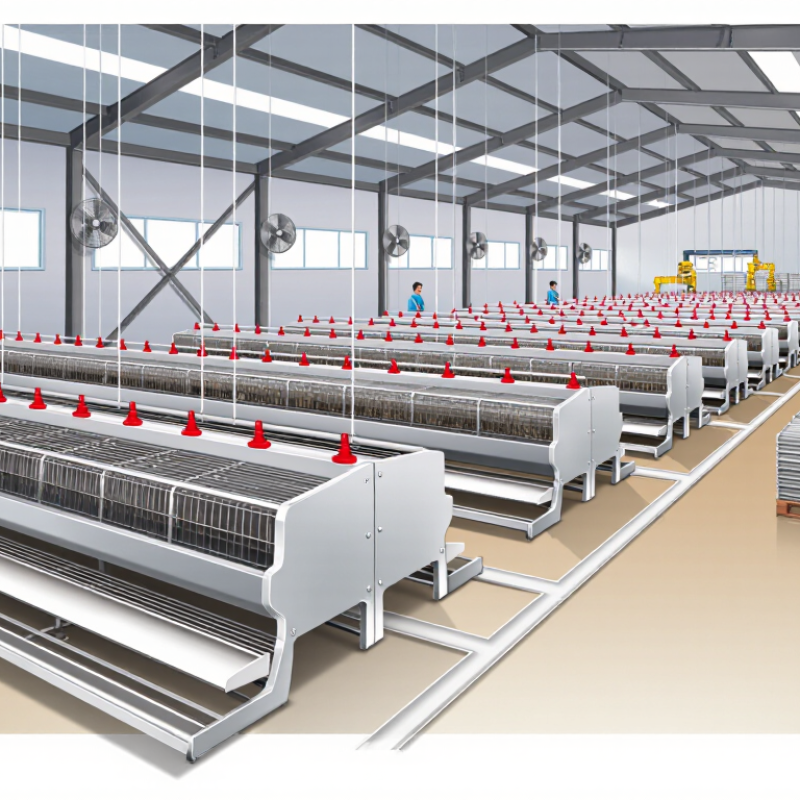
China’s chicken-equipment market is easier to understand when layer and broiler systems are separated. FAOSTAT data report roughly 35 million tonnes of eggs in shell produced in China in 2022. USDA Foreign Agricultural Service’s 2024 China Poultry and Products Annual estimates chicken-meat output at about 15 million tonnes. These figures show the scale of production, but they cannot determine which housing layout suits a farm. A layer cage system keeps hens in tiered rows with feed troughs, nipple drinkers, egg belts, and manure belts. H-type and A-type describe common cage arrangements, not guaranteed welfare or production results.

Broilers are commonly raised on litter-covered floors, rather than in layer-style cages. Their housing depends on floor space, feeder and drinker placement, litter condition, and ventilation. Tunnel ventilation draws air along the building in hot weather. Stocking density means live-bird weight per floor area; cage capacity counts birds per compartment. They are different measures. A useful equipment specification should include usable floor area, cage dimensions, belt materials, motor capacity, backup alarms, and maintenance access. Small details matter. A belt may collect eggs efficiently, yet poor alignment can still cause cracks. Catalog specifications rarely show the daily cleaning burden or local maintenance quality. Farms should verify these details and compare measured operating results before choosing a system.

How to Evaluate Chinese Manufacturers: Capacity, Automation, Quality, and Service

When comparing Chinese chicken house cage manufacturers, begin with practical capacity, not headline figures. Ask for current monthly output, active production lines, and typical lead times for an order matching your specifications. Request recent production photos or a live factory walk-through. Compare the stated capacity with visible welding stations, forming equipment, and finished-goods storage. Numbers can be optimistic. Check how peak-season orders affect delivery dates and whether materials are secured before production.

Automation matters, but it does not guarantee consistent cages. Observe how wire is cut, welded, galvanized, and checked for sharp edges or uneven spacing. Ask which tolerances are measured and how often gauges are calibrated. Request inspection records for a representative batch, along with a sample section you can measure yourself. Check weld points, coating around joints, door alignment, and feeder fit. Small defects become costly. A sample may not fully reflect bulk production; this is easy to overlook.

Evaluate service before paying a deposit. Confirm drawing approval, packing methods, installation guidance, replacement-part availability, and response times. Ask who handles technical questions after shipment and whether instructions include clear diagrams. For a complex layout, request a written commissioning plan and a named contact. Compare support promises with evidence from previous projects, not reassuring calls alone. One factory visit still cannot prove that every shipment will match.

How to Evaluate Chinese Chicken House Cage Manufacturers

Suggested due-diligence score weighting—not measured data or a ranking of manufacturers

How to use it: Score each supplier against the same project requirements. Verify capacity with production records and delivery references, automation with equipment specifications and a factory review, quality with inspection records and applicable certifications, and service with written warranty terms, spare-parts plans, and response commitments. The percentages are suggested priorities; adjust them to fit your project.

Leading Chinese Cage Manufacturers by Product Range and Market Specialization

Chinese chicken-house cage manufacturers often specialize by bird type and production scale. Some focus on layer systems, with tiered cages, egg belts, and manure-removal equipment designed to fit long poultry houses. Others supply broiler or pullet housing, where access to feed and water, floor space, and routine inspection may matter more than egg collection. Product range alone can be misleading. A broad catalogue does not prove that every system suits a particular farm.

For a practical comparison, ask manufacturers for drawings, material specifications, and details about installation support. Check wire thickness, weld consistency, belt alignment, and whether replacement parts are available for the exact model. Details matter. A system that works in a compact house may create awkward cleaning routes in a wider building. Ask for references from farms with similar flock sizes and climate conditions, then verify the operating details directly. No catalogue can replace that check.

Tips: Match the cage system to the bird’s age, house dimensions, and daily workflow. Request a sample section or clear close-up photos before ordering. Check the welds. Also, treat unusually low quotations cautiously; I would want to understand what has been left out before comparing prices.

Who Are the Top Chicken House Cage Manufacturers in China? - Leading Chinese Cage Manufacturers by Product Range and Market Specialization

Category-level overview: This comparison summarizes common poultry-cage product lines and areas of specialization in the Chinese manufacturing market. It does not rank or identify individual companies or brands.

Manufacturer Category Main Product Range Typical System Components Common Market Specialization Key Selection Considerations
Layer cage system specialists Conventional A-frame and H-frame systems for commercial egg production Cages, automatic feeding lines, drinking lines, manure belts or scrapers, and optional egg collection equipment Large-scale table-egg farms seeking integrated housing and routine manure handling Confirm bird capacity, house dimensions, cage configuration, cleaning access, and compatibility among equipment components.
Automated egg-production equipment suppliers Layer housing equipment combined with egg collection, grading, or packing-line interfaces Egg belts, elevators, conveyors, collection controls, and connections to downstream handling equipment Farms prioritizing reduced manual egg handling and coordinated movement from the house to the collection area Check egg-flow layout, transfer points, line capacity, and how the proposed equipment connects with the farm’s grading and packing facilities.
Broiler cage system suppliers Multi-tier cage equipment designed for broiler growing houses Feeding and drinking systems, manure belts, and equipment for ventilation and environmental-control integration Commercial broiler operations using cage-based housing and mechanized daily management Evaluate bird access, equipment cleaning, manure removal, ventilation design, and local requirements for broiler housing.
Pullet and breeder equipment suppliers Rearing systems for replacement pullets and specialized equipment for breeder flocks Age-appropriate cages or pens, feeding and drinking equipment, and flock-management accessories Farms focused on rearing replacement birds or managing breeding stock before production Match the system to bird age, body size, management practices, and the transition plan into the next production stage.
Manure-management equipment specialists Manure belts, scrapers, transfer conveyors, and related handling equipment Belts or scrapers, drive units, discharge conveyors, and optional manure drying components Existing poultry houses requiring manure removal or upgrades to waste-handling workflows Check house layout, manure moisture conditions, discharge location, maintenance access, and compatibility with existing cages.
Integrated poultry-house equipment suppliers Coordinated cage, feeding, drinking, ventilation, cooling, and control equipment packages Housing equipment, fans, air inlets, cooling equipment, sensors, and control systems New-build projects seeking a single coordinated equipment package for the poultry house Review the system design as a whole, including climate, building dimensions, electrical supply, installation support, and spare-parts availability.

Industry Benchmark: EU Enriched Cages Require at Least 750 cm² per Hen

Who Are the Top Chicken House Cage Manufacturers in China?

When comparing chicken house cage manufacturers in China, start with measurable design details, not catalogue photos.

For EU-oriented enriched systems, the benchmark is at least 750 cm² of cage area per hen. At least 600 cm² must be usable area under the EU directive. Details matter.

A sound specification should also describe nest space, perches, litter access, feeder dimensions, and cage height. Ask for dimensioned drawings that show how these features fit together. A stated area figure alone does not prove that every hen has adequate usable space. Check how the supplier calculates capacity, including partitions and shared areas. Small layout differences can change the result.

Material and installation checks matter too. Request wire specifications, corrosion-protection details, and clear assembly instructions. If possible, inspect a sample panel and look for sharp edges, uneven welds, or coatings that chip easily. These checks cannot replace an independent compliance review, and I would not rely on a brochure alone. Confirm the rules that apply to the destination market and the project’s final layout before ordering. A careful manufacturer should answer technical questions with drawings and verifiable measurements, rather than broad claims.

Manufacturer Due Diligence: Verify Materials, Certifications, Welfare Standards, and References

Who Are the Top Chicken House Cage Manufacturers in China?

Choosing a manufacturer takes more than comparing prices and catalog photos. FAO’s 2024 Statistical Yearbook reports roughly 140 million tonnes of poultry meat produced worldwide in 2022, showing the scale of the sector. For cage equipment, however, production volume is not a quality guarantee. Ask for material specifications, wire diameter, coating details, and recent corrosion or load-test results. A shiny sample can still hide a weak weld.

Tips: Request certificates from the issuing body, and confirm they cover the actual factory and product. Check batch traceability. Ask for two recent customer references.

Welfare needs equal scrutiny. EFSA’s 2023 scientific opinion on laying-hen welfare identifies restricted movement and limited comfort behaviours among concerns associated with cage housing. Ask manufacturers how their design supports bird access to feed and water, inspection, and safe handling; compare answers against your applicable welfare requirements. Visit the production line if possible, inspect welds and sharp edges, and request photographs from completed installations. References should confirm delivery dates, spare-part availability, and performance after several months—not just first impressions. Documents matter, but they can be incomplete. Verify them independently.