Top 10 Benefits of Using LED Module Light for Your Projects?
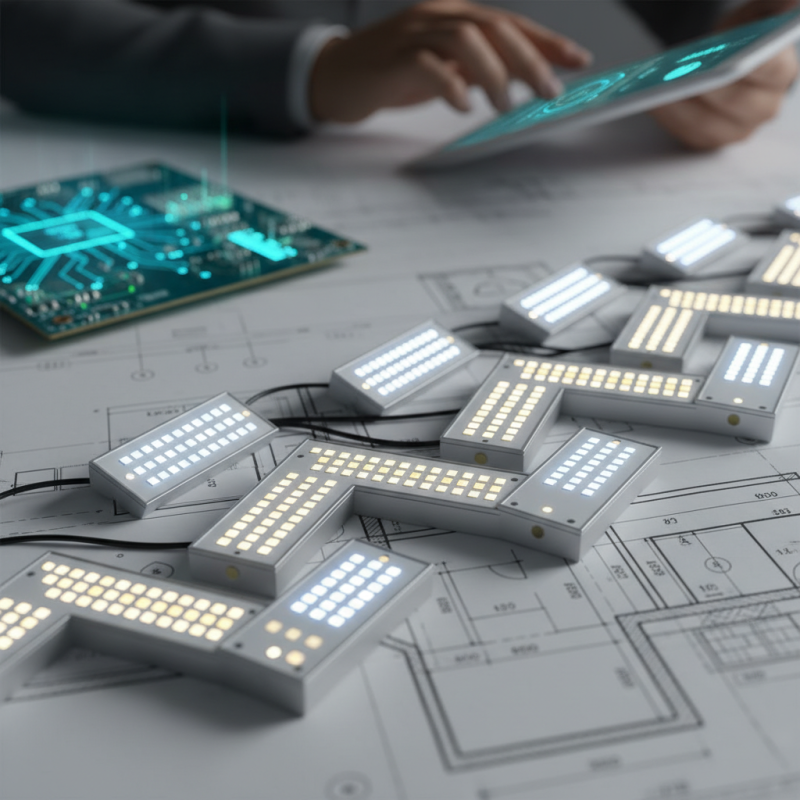
In recent years, the adoption of LED Module Light in various projects has skyrocketed. According to a report by the U.S. Department of Energy, LED technology is set to account for 84% of all lighting by 2030. The reasons for this surge are substantial and rooted in various benefits that LED systems offer.
The efficiency of LED Module Light is one of the most compelling advantages. An LED module can produce more lumens per watt than traditional lighting. This means lower energy consumption and reduced utility bills. Moreover, the lifespan of these modules often exceeds 25,000 hours, drastically reducing maintenance costs.
However, there are challenges as well. The initial investment may be higher than that of conventional bulbs, prompting some users to hesitate. It is essential to weigh these factors carefully. Ultimately, the long-term savings and environmental benefits make LED Module Light a worthy consideration for modern projects.
Benefits of Energy Efficiency in LED Module Lighting
LED module lighting offers significant energy efficiency, making it a preferred choice for various projects. These lights consume up to 75% less energy compared to traditional lighting options. This reduction translates into lower electricity bills, benefiting both residential and commercial spaces. The long lifespan of LED modules also means fewer replacements, saving resources and reducing waste.
Energy efficiency goes beyond just savings. It contributes to environmental sustainability. Using less energy means fewer carbon emissions from power plants. This results in a smaller ecological footprint. In a world facing climate change, every small step counts. By choosing LED modules, individuals and businesses can play a role in conserving energy and protecting the planet.
However, some may find the initial investment in LED lighting higher than conventional options. It raises questions about immediate costs versus long-term savings. A careful evaluation is needed when making the switch. The benefits in energy efficiency and longevity are clear, but understanding the upfront expenses is essential. Achieving balance between cost and sustainability is a challenge worth addressing.
Enhanced Longevity Compared to Traditional Lighting Solutions
The adoption of LED module lights has grown rapidly in recent years, especially for various projects. One of the most compelling benefits is their enhanced longevity compared to traditional lighting solutions. LED lights can last up to 25,000 hours, significantly outlasting incandescent and fluorescent bulbs. This extended lifespan minimizes replacement costs and maintenance efforts, allowing projects to remain illuminated with less disruption.
Many professionals appreciate that LED technology reduces energy consumption. They convert a higher percentage of electricity into light as opposed to heat. This efficiency leads to lower energy bills. However, it's worth noting that the initial investment in LED module lights can be higher. Many project managers may hesitate to make this upfront purchase. But, the long-term savings often justify the cost.
LED lights also provide improved durability. They are resistant to shock and vibration, making them ideal for both indoor and outdoor projects. This resilience means they can thrive in harsh environments. Despite these advantages, there can be challenges with color consistency and temperature variations. These issues require careful selection and installation. Overall, LED lights offer significant benefits, but their application should be well-planned.
Versatile Applications of LED Modules in Various Projects
LED modules are rapidly becoming a preferred choice across diverse projects due to their versatility. They are commonly used in commercial lighting, horticulture, and even in creative applications like art installations. Reports indicate that the global LED market is expected to reach $75 billion by 2025, revealing their increasing acceptance and adaptability.
In commercial spaces, LED modules deliver impressive energy savings. They consume about 75% less energy than traditional lighting, according to the U.S. Department of Energy. This not only reduces utility costs but also enhances sustainability. Yet, there can be challenges, such as the need for compatible controllers or fixtures, which may complicate installation.
In horticulture, these modules enable tailored light spectrums. Studies show that plants grown under LED lights can mature faster and yield more. However, understanding the precise requirements for different plants can require additional research and experimentation. The landscape for LED applications is constantly evolving. With innovation, new opportunities arise, but so do complexities. Decisions in usage must be well-informed to optimize benefits.
Top 10 Benefits of Using LED Module Light for Your Projects
Cost-Effectiveness Over Time with LED Technology
LED technology has transformed the way we approach lighting in projects, particularly when considering cost-effectiveness. Reports indicate that LED lights can save up to 75% in energy costs compared to traditional incandescent bulbs. This saving extends beyond energy efficiency; LEDs also have a significantly longer lifespan, averaging around 25,000 to 50,000 hours. This means less frequent replacements, reducing maintenance costs and waste.
When planning a project, incorporating LED modules can be a financially sound decision. Data from the U.S. Department of Energy reveals that widespread use of LEDs could save up to $30 billion in energy costs annually. This insight highlights the long-term financial benefits that project managers should consider.
**Tip:** When selecting LED modules, evaluate the initial purchase price against long-term savings. Some cheaper options might lead to higher energy bills and more frequent replacements.
Investing in LED technology may come with a higher upfront cost. However, the durability and efficiency usually make it a worthwhile expenditure. Reflect on the total cost of ownership rather than just the purchase price.
**Tip:** Look for energy efficiency ratings. Higher ratings often correlate with greater savings over time. Ensuring right choice can lead to significant cost advantages.
Top 10 Benefits of Using LED Module Light for Your Projects
| Benefit | Description | Estimated Cost Savings | Lifespan (Years) |
| Energy Efficiency | LEDs consume up to 80% less energy compared to traditional bulbs. | $300/year | 15+ |
| Longevity | Long lifespan reduces the need for frequent replacements. | $200/year | 25+ |
| Low Heat Emission | Less heat generated means lower air conditioning costs. | $120/year | 20+ |
| Sustainable Technology | LEDs are eco-friendly and recyclable. | N/A | 20+ |
| Instant Lighting | LEDs light up instantly without warm-up time. | N/A | 15+ |
| Dimming Capability | Many LED services allow for smooth dimming and adjusting brightness. | $50/year | 15+ |
| Versatility | Available in various colors and designs for any project. | N/A | 15+ |
| Reduced Maintenance Costs | Fewer replacements mean lower maintenance expenses. | $150/year | 20+ |
| Safety | Low risk of breakage and safe operating temperatures. | N/A | 20+ |
Improved Light Quality and Color Rendering in LED Modules
LED modules have transformed the lighting landscape, offering significantly improved light quality and color rendering. According to the U.S. Department of Energy, LED technology can achieve a Color Rendering Index (CRI) of over 90. This is a benchmark that allows colors to appear more vibrant and true to life. In settings like art galleries or retail stores, enhanced color rendering plays a crucial role in creating an inviting atmosphere.
Additionally, the flexibility of LED modules enables tailored lighting solutions. Unlike traditional lighting, which may produce harsh shadows or uneven illumination, LEDs provide a softer, more uniform light distribution. Reports reveal that 70% of architects prefer LED lighting for its versatility in design. Improved light quality not only enhances aesthetic appeal but may also boost productivity in workplaces. A well-lit environment can minimize eye strain, leading to better focus and performance.
While the benefits are clear, some projects may struggle with the initial investment costs. It’s important to conduct a cost-benefit analysis over time. Quality LED solutions often lead to reduced energy expenses and longer lifespan, yet the upfront price can be daunting. Organizations must weigh these factors carefully.