Back
Contact us

Top 10 Acid Dye Suppliers for Global Buyers

Choosing an Acid Dye supplier is not just a price comparison. Buyers need dependable shade consistency, clear technical documentation, and supply that matches their production schedule. Acid dyes are commonly used for wool, silk, and polyamide, where small differences in pH, temperature, or dyeing time can change the final shade. A lab dip may look excellent. A full production batch can still behave differently.

The scale of the textile industry gives this decision wider context. Textile Exchange’s Materials Market Report 2024 estimates that global fiber production reached 124 million tonnes in 2023. This figure describes fiber output, not acid dye consumption, but it helps show why reliable chemical sourcing matters across complex supply chains. Trade records, such as UN Comtrade, can help buyers examine export activity; they do not, by themselves, prove product quality or factory capacity. Ask suppliers for current technical data sheets, safety data sheets, sample results, and information on batch traceability. Where relevant, review their quality controls and environmental management practices. Small details matter.

This guide compares ten suppliers for global buyers, with attention to product range, technical support, export experience, and evidence buyers can verify. Public information is not always complete or comparable. That is a limitation worth acknowledging. Treat each listing as a starting point, then test shortlisted products against your own fiber, machinery, shade target, and compliance requirements. A supplier’s reputation helps, but your own production trial tells you more.
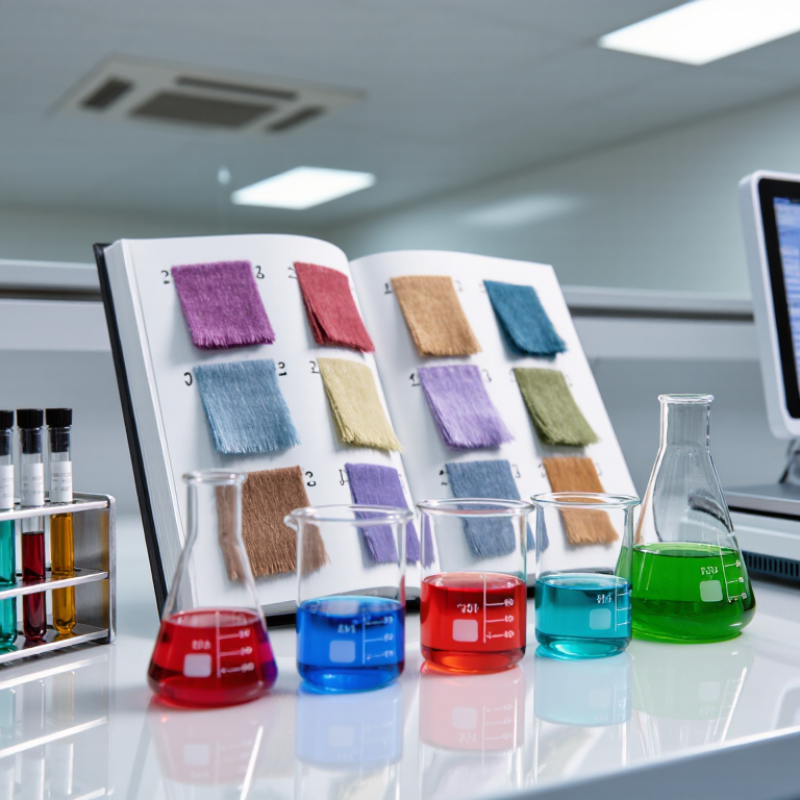
Top 10 Acid Dye Suppliers for Global Buyers

Understanding Acid Dyes and Their Role in Textile Manufacturing

Acid dyes are water-soluble colorants commonly used for wool, silk, and nylon. In an acidic dye bath, their negatively charged molecules are attracted to suitable sites in the fiber. The exact interaction depends on the fiber type and dye structure. Small differences matter.

In a dyehouse, operators control bath pH, temperature, and time to help achieve even shade. For example, wool fabric may enter a gently heated bath, where gradual temperature changes can reduce patchy color. Too-fast heating can cause uneven uptake. Not ideal. Dye selection also affects wash and light fastness, so a bright sample is not enough to judge performance. Buyers should review technical data and test the dye on the intended fiber, using the planned process. Results can vary with water quality, fabric finish, and equipment. Even experienced teams may need to adjust the recipe after a trial. That is a practical limitation, not a flaw in the dye itself.

Typical Acid Dye Bath pH Ranges

Acid dyes are commonly used to color wool, silk, and nylon in acidic dye baths. Leveling, milling, and supermilling dye classes are generally associated with progressively higher pH ranges. These ranges are indicative; the recommended conditions vary with the fiber, dye formulation, and dyeing process.

How Global Buyers Evaluate Acid Dye Suppliers

Global buyers should judge acid dye suppliers by repeatable performance, not a vivid first sample. Check shade consistency across three production lots, fixation rates, and wash and light fastness. Ask for test methods, batch certificates, and clear guidance on dyeing temperature and pH. Small details matter. A supplier’s response to a failed swatch can reveal more than a polished brochure.

Scale raises the stakes. Textile Exchange’s Materials Market Report 2024 estimates global fiber production reached 124 million tonnes in 2023. The European Environment Agency’s 2022 textile briefing estimates that EU textile consumption in 2020 required 9 cubic metres of water per person. These figures do not measure acid dye use directly, but they show why buyers should request wastewater controls and chemical management records alongside price and lead time.

Request a current safety data sheet, composition details, and lot-level traceability before approving a bulk order. Compare samples on the actual fiber and process: nylon and wool can respond differently to the same dye recipe. Ask how the supplier investigates shade drift, delayed shipments, or inconsistent test results. Their answers should be specific and documented. No checklist is perfect; I would still verify the first commercial batch independently, especially when switching production sites or dyeing equipment.

Profiles of 10 Acid Dye Suppliers Serving International Markets

Profiles of 10 acid dye suppliers serving international markets help buyers compare more than product lists. The right fit depends on fiber type, shade requirements, application method, and technical support. Acid dyes are commonly used for wool, silk, and nylon, but performance can vary across grades and production conditions. Ask suppliers for technical data sheets, safety information, and sample-lot results. Small differences matter: a blue shade may shift after heat setting or repeated washing.

Textile Exchange’s Materials Market Report 2024 estimates that global fiber production reached 124 million tonnes in 2023. This figure describes the wider textile sector, not acid dye demand, but it signals the scale of supply chains buyers may serve. Supplier profiles should therefore clarify export experience, available documentation, batch consistency, and shipping options. A polished profile is useful. It is not proof of performance. Buyers should verify claims with controlled trials and written specifications.

Tips: Request the same shade and test conditions from each shortlisted supplier. Compare color strength, fastness results, lead times, and packaging details. Keep a retain sample from every approved batch. One practical detail is easy to miss: confirm how suppliers handle specification changes between sample and bulk production.

Comparing Supplier Product Ranges, Quality, and Compliance

Comparing acid dye suppliers takes more than scanning shade cards. Check whether each supplier offers the dye classes, color strengths, and application support your process needs. A mill dyeing wool may require different guidance from a facility working with nylon. Ask for technical data sheets, batch-specific certificates of analysis, and sample quantities before placing a large order. Details matter.

Quality should be assessed across repeat orders, not just one attractive lab sample. Request test results for shade consistency, solubility, and fastness under conditions close to your production line. Clear tolerances and a documented complaint process are useful signs of dependable quality control. Still, paperwork cannot replace a trial run. It is easy to overlook that.

Compliance also needs destination-specific checks. Confirm current safety data, chemical disclosures, and any applicable restricted-substance documentation for the markets where the dyes will be used. Ask how suppliers control batch traceability and notify buyers when specifications change. Compare their responses, not merely their certificates: vague answers about testing or document updates deserve follow-up. No supplier comparison is perfect, and requirements can shift, so keep records of what was verified and when.

Top 10 Acid Dye Suppliers for Global Buyers - Comparing Supplier Product Ranges, Quality, and Compliance

Comparison framework by supplier capability—not a verified ranking of named companies. Product categories and applications below are established acid-dye market segments. Check each supplier’s current technical and compliance documents before purchase.

No. Supplier capability profile Typical product range Common applications Quality data to compare Compliance checks for buyers
1 Wool levelling-dye specialist Levelling acid dyes in a range of shades and application strengths. Wool and other protein fibres; selected polyamide processes. Shade reproducibility, levelling behaviour, exhaustion profile, light and wet-fastness test results. Request SDS, technical data sheet, restricted-substance declarations and destination-market regulatory information.
2 Wool milling-dye specialist Milling acid dyes designed for improved wet-processing fastness compared with many levelling types. Wool yarn, fabric and apparel requiring stronger wet-fastness performance. Wash and milling fastness, shade build-up, batch consistency and compatibility with the buyer’s process. Check applicable chemical restrictions and request current test reports or declarations for the intended use.
3 High-wet-fastness wool-dye specialist Strongly substantive acid-dye ranges, including super-milling types where offered. Wool products where wash, milling or perspiration fastness is a priority. Fastness results under stated test methods, reproducibility and performance on the buyer’s fibre and finish. Confirm that any claimed certification covers the specific product, facility and intended article.
4 Polyamide dyeing specialist Acid-dye ranges selected for nylon/polyamide, including options for different dyeing speeds and fastness needs. Nylon textiles, hosiery, carpets and selected technical fabrics. Levelness, shade build-up, lightfastness, wet fastness and compatibility with the specific polyamide type. Request product-specific SDS and confirm restrictions applicable to the target market and end use.
5 Metal-complex acid-dye specialist Metal-complex acid dyes, commonly offered as 1:1 or 1:2 complexes; shade and fastness ranges vary by product. Wool and polyamide applications requiring selected fastness or shade characteristics. Metal content and identity where relevant, shade strength, solubility, fastness and batch test data. Check metal-related restrictions for the destination and end use; obtain composition and regulatory declarations.
6 Leather-dye specialist Acid dyes and related dye preparations formulated or selected for leather processing. Leather dyeing and finishing, subject to the leather type and process. Penetration, shade uniformity, light and rub fastness, and compatibility with tanning and finishing steps. Verify chemical restrictions relevant to leather articles and request supporting product documentation.
7 Paper-colourant specialist Water-soluble acid-dye grades or preparations suitable for selected paper-colouring processes. Paper and paper-related applications where the dye’s affinity and process conditions are suitable. Solubility, shade strength, compatibility with furnish and process water, and colour stability. Confirm suitability for the exact paper use; food-contact requirements, if relevant, need separate verification.
8 Liquid and customized-formulation supplier Liquid, standardized or customer-adjusted preparations based on suitable acid dyes. Automated dosing and processes where a ready-to-use liquid product is appropriate. Active content, viscosity, storage stability, freeze-thaw behaviour and batch-to-batch shade strength. Check preservative information, transport classification, shelf life and the current SDS for the supplied formulation.
9 Custom-shade and small-lot supplier Selected acid-dye shades, blends or prepared colour matches, subject to minimum order quantities. Sampling, short production runs and shade-development projects for compatible substrates. Lab-dip agreement, colour-difference tolerance, sample retention, production repeatability and change control. Require composition and compliance documentation for the final blended shade, not only for its individual components.
10 Export and regulatory-documentation-focused supplier Acid-dye portfolio matched to buyer requirements, with export packaging and supporting documents where available. Cross-border purchasing for textile, leather or other technically suitable applications. Specification control, certificates of analysis, lot traceability, packaging integrity and complaint handling. Verify REACH obligations where applicable, SDS language and format, origin and customs documents, and any requested third-party certification. Certifications are product- and scope-specific.

Buyer note: Acid-dye performance depends on the dye, substrate, process and test method. Request a current technical data sheet, SDS, certificate of analysis and relevant test evidence for the exact grade and production lot. Do not treat a supplier’s general certification or declaration as proof that every product complies.

Key Steps for Selecting and Sourcing an Acid Dye Supplier

Choosing an acid dye supplier starts with the material and process, not a price list. Acid dyes commonly color wool, silk, and nylon, but shade behavior can shift with pH, temperature, and dyeing time. Ask for technical data sheets, safety data sheets, and certificates of analysis for the specific grade. Then check solubility, leveling, and wet- and light-fastness using your own fabric and water conditions. Small trials matter.

Capacity and consistency deserve equal attention. Textile Exchange’s Materials Market Report 2024 estimates global fiber production reached 124 million tonnes in 2023 and may grow to 160 million tonnes by 2030. This is not an acid-dye demand forecast, but it shows why buyers should assess a supplier’s batch control and ability to meet changing volumes. Request recent batch-to-batch shade data, sample lead times, minimum order quantities, and a clear process for handling out-of-specification material.

Check the evidence, not just the promises. Ask how the supplier tracks raw-material origin, manages wastewater, and supports customer audits; request relevant test records where available. Compare samples under production conditions, including your usual liquor ratio and finishing steps. A neat document folder helps, but it cannot replace a dyehouse trial. No checklist catches everything. Keep a record of results, including failures, before approving a source.