What is a Solenoid Valve in Irrigation Systems?
A Solenoid Valve In Irrigation Systems plays a crucial role in modern agriculture. This device controls the flow of water, ensuring that crops receive the right amount. It uses an electromagnetic coil to open or close the valve mechanism. When power is applied, the coil activates, allowing water to flow through the system.
Farmers rely on solenoid valves for efficient irrigation management. They are especially useful in automated systems. However, they can fail due to dirt and clogs. Regular maintenance is essential but often overlooked. A well-functioning solenoid valve saves water and enhances crop yield. Investing in quality valves may seem costly, yet the benefits outweigh the initial expense.
Understanding how a solenoid valve in an irrigation system functions can improve overall efficiency. Observing the system's performance can reveal weaknesses. Addressing these issues can lead to better water management strategies. Ultimately, better irrigation practices can support sustainable farming.
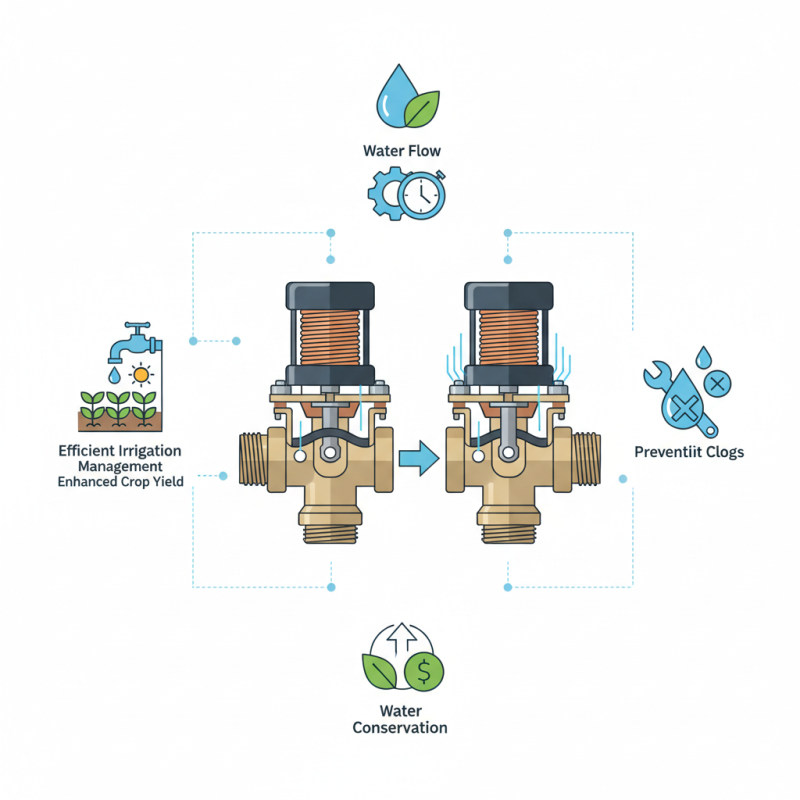
Definition and Function of a Solenoid Valve
A solenoid valve is a crucial component in irrigation systems. It acts as an automated switch that controls water flow. When powered, the solenoid creates a magnetic field. This magnetic field opens or closes the valve as needed. With this mechanism, irrigation can be easily managed.
In practical terms, solenoid valves help conserve water. They can be programmed to work at specific times. However, they can also malfunction. A power outage could lead to unexpected flooding. Maintenance is essential to avoid issues. Regular checks can prevent excessive wear or damage.
The design is relatively simple, yet effective. It's fascinating how such a small device can greatly influence irrigation efficiency. Yet, understanding its function can be overwhelming for some. Knowledge of how it operates is vital for effective use. The balance between automation and hands-on care requires reflection and adjustment.
What is a Solenoid Valve in Irrigation Systems? - Definition and Function of a Solenoid Valve
| Feature | Description | Benefits |
| Operation Type | Electromechanical device that uses an electromagnetic coil to operate a valve | Automation of water flow control |
| Common Use | Used in irrigation systems to control water delivery | Increased efficiency in water usage |
| Control Mechanism | Can be controlled remotely using timers or sensors | Convenience and precision in irrigation scheduling |
| Power Source | Typically operates on low voltage DC or AC power | Safety and energy efficiency |
| Material | Made from durable materials like brass or plastic | Longevity and resistance to corrosion |
Components of a Solenoid Valve in Irrigation Systems
A solenoid valve is essential in irrigation systems. Its primary function is to control the flow of water. This valve operates using electromagnetic principles, making it an efficient choice.
Components of a solenoid valve include the solenoid coil, plunger, and valve body. The solenoid coil generates a magnetic field when energized. This field pulls the plunger, either opening or closing the valve. The valve body is where the water flows, and its design affects flow rate and pressure.
Regular maintenance is crucial. Over time, debris can accumulate within the valve body. This can hinder performance and affect irrigation efficiency. Sometimes, solenoid valves fail to respond due to electrical issues. Addressing these problems promptly ensures optimal irrigation.
Working Principle of Solenoid Valves
A solenoid valve plays a vital role in irrigation systems. Its primary function is to control the flow of water. The valve opens or closes in response to an electrical signal. Typically, it consists of a coil, plunger, and body. When energized, the coil generates a magnetic field. This action pulls the plunger into the coil, allowing water to flow through.
According to industry reports, efficient irrigation can reduce water usage by up to 50%. Solenoid valves enable precise control over watering schedules. They help farmers and landscapers optimize their water resources. However, improper installation can lead to issues. Malfunctions may occur if the voltage is inconsistent. Regular maintenance is essential to avoid leaks and failures.
Water pressure also affects the performance of solenoid valves. Fluctuating pressure can hinder the valve's ability to fully open or close. Data suggests that maintaining steady pressure improves efficiency significantly. This highlights the importance of understanding the working principles of these valves. Keeping them well-maintained ensures that irrigation systems operate at peak performance.
Applications of Solenoid Valves in Agricultural Irrigation
Solenoid valves play a crucial role in agricultural irrigation systems. These devices control the flow of water efficiently, ensuring that crops receive the right amount of water at the right time. Approximately 70% of global freshwater resources are used for agriculture, according to the Food and Agriculture Organization (FAO). Effective water management is essential for sustainability in farming.
In many modern farms, solenoid valves enable automated irrigation schedules. They can be programmed to open and close at specific times, minimizing water waste. This automation can lead to water savings of up to 30%, as reported by the Irrigation Association. Additionally, solenoid valves are reliable, often featuring robust designs that withstand harsh environmental conditions.
Tips: Regular maintenance of solenoid valves is key. Inspect for leaks regularly. Be aware of possible wear on seals and coils. Replace components promptly to avoid system failures. Always keep an eye on performance. Even small discrepancies can mean inefficient watering and increased costs.
Farmers should also consider the compatibility of solenoid valves with their existing systems. Misalignments can lead to operational headaches. Newer valve models often offer advanced features, including remote control options. Balancing efficiency with modernization is crucial for successful irrigation management.
Advantages of Using Solenoid Valves in Irrigation Systems
Solenoid valves are essential components in irrigation systems. They allow for precise control of water flow. This precision is crucial for optimizing water usage in agriculture. According to research, up to 50% of irrigation water is often lost due to inefficiencies. Using solenoid valves can minimize this waste significantly.
One key advantage of solenoid valves is automation. They can be programmed to open and close at specific times. This feature enables farmers to water crops more efficiently. A study indicated that automated systems can reduce water use by up to 30%. Efficient irrigation not only conserves water but also increases crop yields. On the flip side, improper programming can lead to water stress in plants. It’s essential for operators to monitor schedules regularly.
Another benefit is their compatibility with modern technology. Solenoid valves can connect with smart controllers. This connection allows real-time monitoring and adjustments. A report noted that integrating smart technology enhances irrigation efficiency. However, not all systems are user-friendly. Some may require technical expertise for setup. Therefore, while solenoid valves present great advantages, continuous learning and adaptation are necessary.

