What is Schwing and How Does it Impact the Construction Industry?
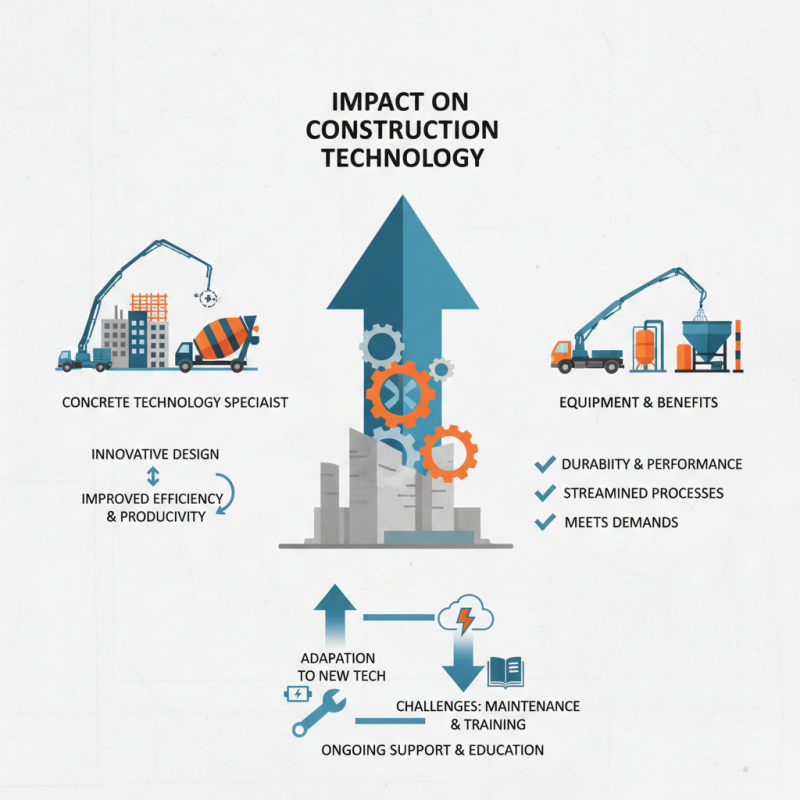
Schwing is a prominent name in the construction industry. This company specializes in concrete technology. Their innovative designs impact various construction applications, improving efficiency and productivity.
Schwing's equipment is known for its durability and performance. From concrete pumps to mixers, their machines streamline processes. They offer solutions that help contractors meet growing demands. Yet, challenges remain in adapting to new technologies. Understanding Schwing's role can shed light on broader industry trends.
Many construction professionals rely on Schwing's equipment. However, not all projects see the same benefits. Some contractors may struggle with maintenance or training. It highlights the importance of ongoing support and education in utilizing advanced machinery. Schwing’s impact continues to evolve as the industry changes.
What is Schwing and its Overview in the Construction Industry?
Schwing technology plays a crucial role in the construction industry. It involves advanced concrete pumping systems that increase efficiency on job sites. According to recent industry reports, the concrete pumping market is projected to grow by over 8% annually. This significant growth reflects the rising demand for effective construction methods.
The versatility of Schwing technology allows it to adapt to various construction types. From building tall structures to expansive road networks, the equipment enhances delivery speed. Data shows that using concrete pumps can reduce project time by as much as 30%. However, there are challenges. Operators must ensure proper training to avoid accidents and inefficiencies. The learning curve is steep, and mistakes can be costly.
Moreover, not all construction sites can support this technology. Some locations may lack the infrastructure for optimal operation. This limitation can hinder project timelines. As the industry evolves, addressing these obstacles will be essential. Embracing innovation while tackling these challenges can lead to better outcomes. The future of concrete pumping relies on continuous improvement and adaptability in diverse environments.
The Origin and Development of Schwing Technology
Schwing technology has transformed construction processes significantly. Initially developed in Germany in the mid-20th century, the technology aimed to improve concrete transportation and placement. Features such as high pumping pressures and efficient distribution systems emerged. These innovations allowed for faster project completion. Studies indicate that firms using advanced pump technology can achieve up to a 30% reduction in downtime.
The evolution of Schwing technology has introduced various techniques, enhancing pumping efficiencies. For instance, modern residential projects benefit from smaller, more mobile pump units. This shift has opened opportunities for contractors in urban areas. However, it requires operators to be skilled and aware of potential limitations. Poor training can lead to equipment misuse, resulting in costly mishaps.
Tips: Always prioritize training for your team. Knowledge about equipment can help avoid delays. Consider attending workshops on new techniques. Staying informed enhances operational efficiency. Embrace technology, but remember to evaluate its application on-site critically. Regular feedback loops can identify areas for improvement.
Key Features and Innovations of Schwing Equipment
Schwing equipment plays a significant role in modern construction. It offers innovative solutions for concrete pumping and placement. One of the standout features is its adaptability. This allows operators to work in various environments, from tight urban spaces to expansive sites. The equipment's efficiency in moving large volumes of concrete reduces project timelines. This can save valuable time and costs.
A key innovation in Schwing equipment is its automatic control systems. These systems enhance precision in concrete dispersion. Operators can manipulate the equipment with minimal effort. However, users should be cautious. New technology often requires training and can lead to mistakes if not understood fully.
Another notable feature is its durability. Schwing equipment is built to withstand harsh conditions. Yet, frequent use exposes it to wear and tear. Regular maintenance is crucial to avoid costly repairs. Consider scheduling maintenance checks. Small issues can escalate if neglected. Overall, Schwing equipment is central to advancing construction practices. Its features promote efficiency but require mindful operation.
What is Schwing and How Does it Impact the Construction Industry? - Key Features and Innovations of Schwing Equipment
| Feature | Description | Impact on Construction |
| High Efficiency | Schwing equipment is designed for maximum output, minimizing downtime during projects. | Accelerates construction timelines, allowing for faster project completion. |
| Advanced Technology | Incorporates innovative features such as automated controls and telematics. | Enhances precision and reduces labor costs through automation. |
| Durability | Built with high-quality materials to withstand harsh job site conditions. | Reduces maintenance costs and equipment replacement frequency. |
| Versatility | Suitable for various applications including pumping, spraying, and placing concrete. | Flexibility in project execution without the need for additional equipment. |
| Environmental Considerations | Designed with energy-efficient operations and reduced emissions. | Supports sustainable building practices and compliance with regulations. |
The Role of Schwing in Modern Construction Projects
In modern construction projects, efficiency is key. Schwing technology significantly enhances the process of concrete delivery. It provides reliable and continuous flow, minimizing delays on job sites. This ensures that every phase of the project runs smoothly. With its versatility, Schwing can be used in various environments, from urban developments to remote locations.
However, the implementation of this technology is not without challenges. For instance, proper training is essential for operators to maximize its potential. A lack of experience can lead to mishaps and wasted materials. Projects can suffer delays as a result. Furthermore, the equipment requires regular maintenance to operate efficiently. Neglecting these upkeep tasks can lead to unexpected downtime.
Concrete pumping can also introduce pressure and stress on the materials. If not managed correctly, it may compromise the quality of the final product. Contractors need to be vigilant about these factors. They must consider the specific demands of each construction project to optimize the use of Schwing equipment effectively. As construction continues to evolve, adapting to these technologies is vital for success.
Impact of Schwing on Construction Efficiency and Safety Standards
Schwing technology has transformed construction efficiency significantly. Reports indicate that projects utilizing advanced concrete pumping technologies can see productivity increases of up to 20%. This means workers achieve more in less time. Speed and efficiency lead to faster project completion. High-quality pumping systems ensure consistent material flow, reducing downtime.
The safety standards in construction have also benefited. According to recent industry analysis, job site accidents decreased by 30% with the integration of modern equipment. This is vital. Less downtime and fewer injuries mean fewer costs associated with medical bills and lost workdays. However, the reliance on advanced equipment raises questions. Not all workers are trained adequately to handle these technologies.
Moreover, despite improvements, some reports reveal gaps in safety protocols. A survey found that 40% of construction workers had not received proper training. As efficiency rises, the need for ongoing education becomes critical. Enhanced training programs must address new technologies. The industry's evolution is promising, but it also exposes vulnerabilities that need attention.
Impact of Schwing on Construction Efficiency and Safety Standards