What is an Isolation Valve and How Does it Work?
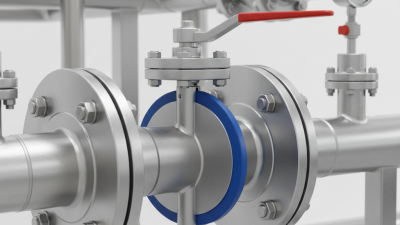
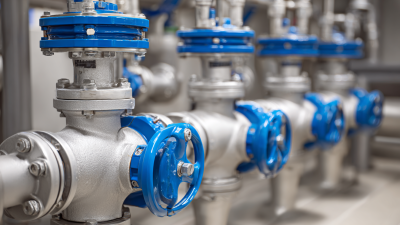
An isolation valve is a critical component in various piping systems. It serves to control the flow of liquids or gases, making it an essential tool for safety and maintenance. When you close an isolation valve, you effectively seal off a section of the system. This allows for repairs or maintenance without draining the entire system.
Understanding how an isolation valve works can prevent costly leaks and accidents. It usually operates manually or automatically, depending on the design. The type of isolation valve can vary, including gate, globe, or ball valves, each with unique advantages. However, many users overlook their importance until an emergency arises.
Isolation valves often require regular checks for wear and tear. Neglecting this maintenance can lead to operational failures. Users should regularly assess their valves for proper functioning. A well-maintained isolation valve can save time and resources in the long run. While these valves provide significant benefits, they also demand proper understanding and care.
What is an Isolation Valve: Definition and Purpose
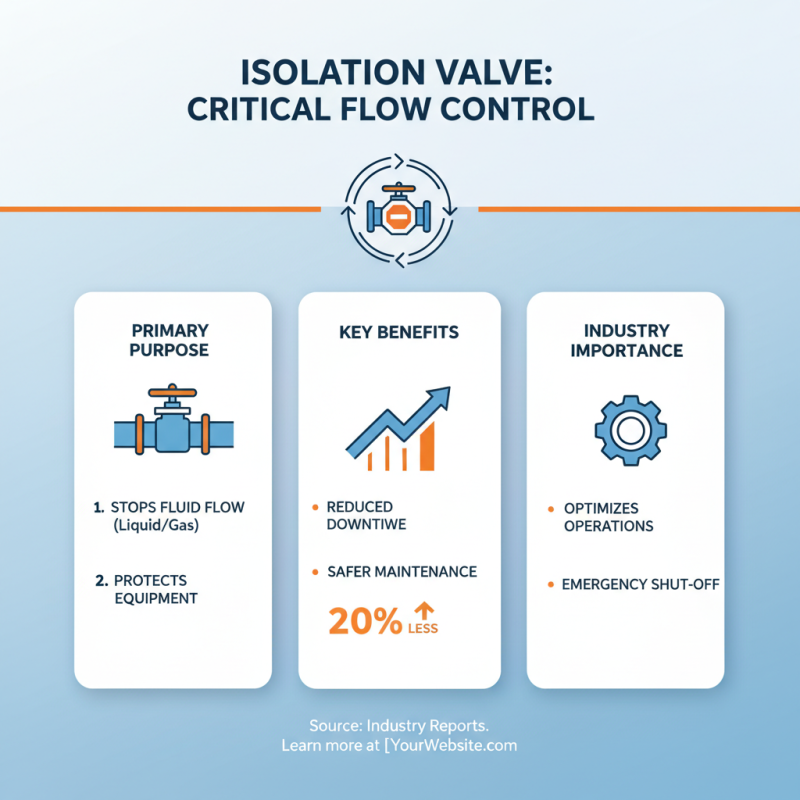
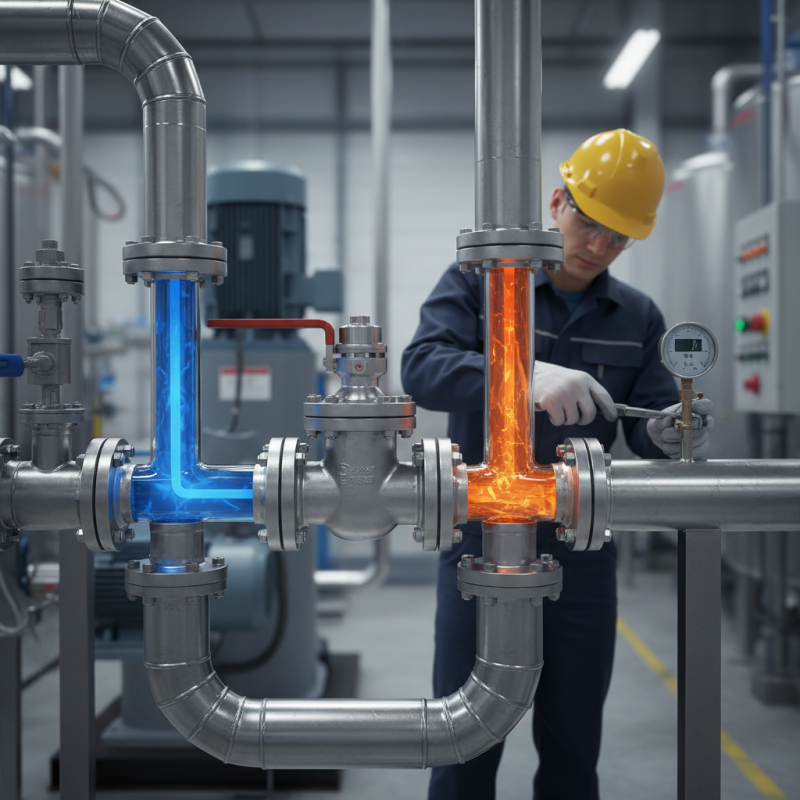
An isolation valve is a critical component in various fluid systems. Its primary purpose is to stop the flow of liquid or gas in a pipeline. This helps to protect equipment during maintenance or emergency situations. According to industry reports, proper use of isolation valves can reduce downtime by up to 20%. That's significant for any operation.
When closed, an isolation valve creates a barrier. This allows operators to perform repairs without draining entire systems. Many facilities rely on these valves to maintain efficiency. They are commonly found in water treatment plants, chemical processing facilities, and oil refineries. Each of these industries have unique requirements for isolation valves. Yet, the need for reliability remains constant.
Understanding how isolation valves work is vital. Their design may vary, yet the principles are similar. Challenges exist; for instance, improper installation can lead to leaks. Maintenance schedules are often overlooked. This could result in failure during critical operations. Operators should a regular check on the equipment to ensure proper functioning.
Types of Isolation Valves and Their Specific Applications
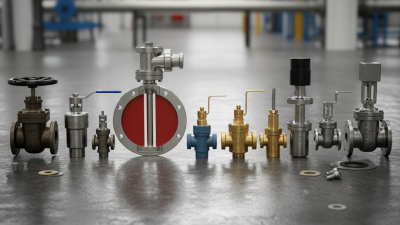
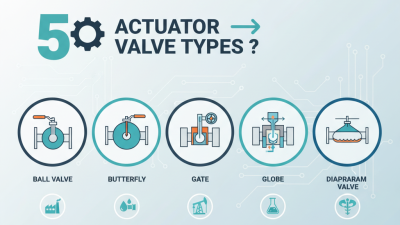
Isolation valves play a crucial role in various industries, providing control over fluid flow. There are several types of isolation valves, each suited for specific applications. The most common types include gate valves, ball valves, and globe valves. Gate valves are often used in water supply systems due to their ability to cut off flow entirely. They are not ideal for regulating flow or pressure.
Ball valves offer quicker operation and are widely used in gas pipelines. Their design allows for minimal resistance, making them suitable for high-pressure applications. Globe valves, on the other hand, excel at regulating flow. They are perfect for systems requiring precise control. According to industry data, around 40% of all pipeline failures are related to valve issues, making reliable isolation valves vital.
**Tips:** Always inspect isolation valves regularly. This can prevent unexpected failures. Additionally, consider the medium passing through the valve. The right choice can significantly enhance performance. When selecting valves, remember that size matters. A valve that is too small may not handle the flow rate, leading to inefficiency.
Isolation Valve Types and Applications
| Valve Type |
Description |
Applications |
| Gate Valve |
Used to start or stop the flow of liquid in pipelines. |
Water supply, oil and gas pipeline services. |
| Ball Valve |
Provides quick shut-off with a quarter turn of the handle. |
Chemical processing, water treatment. |
| Butterfly Valve |
Uses a rotating disc to regulate flow, ideal for large volume control. |
HVAC systems, water and wastewater management. |
| Check Valve |
Allows flow in one direction and prevents backflow. |
Pumping systems, irrigation systems. |
| Globe Valve |
Used for regulating flow in a pipe. |
Oil and gas, power generation. |
How Isolation Valves Function: Mechanisms and Operation
Isolation valves are critical components in many piping systems. They control the flow of liquids or gases. These valves can be closed to stop flow, ensuring safety during maintenance. When closed, they prevent leaks and spills. Understanding how these valves work is essential for effective use.
Isolation valves operate through various mechanisms. Gate valves, for example, use a wedge to block flow. When the handwheel turns, the wedge moves up or down. This action opens or closes the flow path. Ball valves, on the other hand, use a rotating ball with a hole. Rotating the ball aligns it with the flow or blocks it completely. Each type has its purpose and specific operation.
However, not all isolation valves function perfectly. Issues like wear and tear can lead to failure. Sometimes, a valve does not close completely, allowing minor leaks. This can pose risks over time. Regular maintenance checks are necessary to ensure reliability. Users must be vigilant and prepared to address problems as they arise. Understanding these aspects can improve overall system performance.
Importance of Isolation Valves in Industrial Safety and Efficiency
Isolation valves are crucial in managing fluid flow in various industries. They help prevent leaks and control pressure. By ensuring proper isolation, these valves play a vital role in industrial safety and efficiency. Without them, a malfunction could lead to hazardous situations.
Regular maintenance is key. Inspect isolation valves frequently. Ensure they function correctly. A faulty valve can compromise safety measures. Always keep documentation of maintenance records. This practice helps identify patterns and potential problems. Operators should be trained to recognize early warning signs of valve failure.
Tip: When installing isolation valves, make sure they are easy to reach. Accessibility matters. Tight spaces can complicate maintenance. Plan for future inspections. Prioritize safety, even in small details. Remember, a small oversight can lead to significant risks. Reflect on your current processes and seek improvements wherever possible.
Key Industry Standards and Regulations for Isolation Valves
Isolation valves play a vital role in various industries, facilitating the control of fluid flow. Several key industry standards and regulations govern their design and use. These standards ensure safety, reliability, and efficiency in processes involving hazardous materials. One example is the
American Society of Mechanical Engineers (ASME) guidelines, which outline critical specifications for isolation valves.
In addition to ASME, the
American National Standards Institute (ANSI) sets forth regulations regarding valve performance and manufacturing. Compliance with these standards is essential for manufacturers. It ensures that isolation valves can withstand pressure and temperature changes. Sometimes, oversight can lead to accidents. This highlights the importance of rigorous testing and validation.
Manufacturers must also consider the
International Organization for Standardization (ISO) standards. These cover various aspects, from materials to product lifecycle management. Strict adherence to these guidelines promotes the reliability of isolation valves in critical applications, like oil and gas or water treatment. While regulations are in place, not all companies fully embrace them. This gap can result in subpar products that fail under pressure, necessitating more focus on compliance and quality assurance.