What is a Hydraulic Proportional Valve and How Does it Work?
In the realm of hydraulics, the Hydraulic Proportional Valve stands out as a key component. Jim Carter, a renowned hydraulic engineer, once remarked, "The precision of a hydraulic proportional valve can reshape entire systems." This statement underscores the importance of such valves in modern machinery.
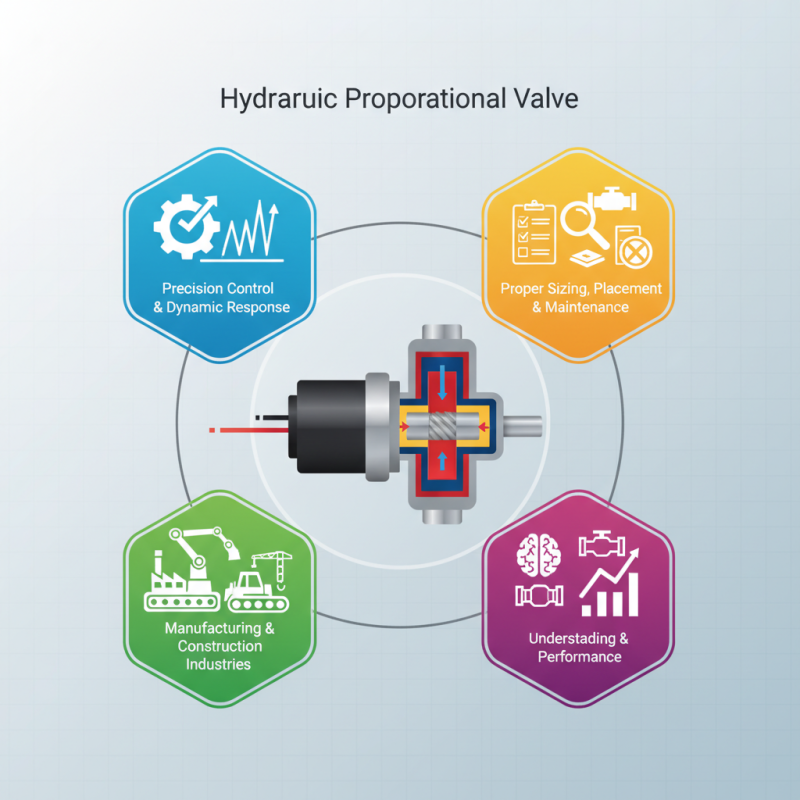
Hydraulic Proportional Valves control fluid flow with remarkable accuracy. They allow systems to respond dynamically to various demands. As an essential part of hydraulic circuits, they ensure that forces are applied just when needed. This can elevate efficiency in industries ranging from manufacturing to construction.
However, not all applications harness their full potential. Common mistakes include improper sizing or placement. Additionally, some users overlook the importance of regular maintenance. These factors can lead to inefficiencies. Understanding the workings of a Hydraulic Proportional Valve is vital. By doing so, users can avoid pitfalls and maximize system performance.
What is a Hydraulic Proportional Valve and Its Key Functions?
A hydraulic proportional valve is a crucial component in hydraulic systems. It controls fluid flow and pressure based on electrical signals. This valve adjusts the flow rate, enabling precise movement and operation of machinery.
One key function of a hydraulic proportional valve is to maintain stability. It helps in achieving consistent speed and force in actuators. This ensures smooth operation, whether in construction, manufacturing, or automotive applications. The valve responds to variations, but sometimes it struggles to provide immediate adjustments. This can lead to inefficiencies.
Another important aspect is its ability to enhance system efficiency. By adapting fluid flow according to demand, it conserves energy. However, issues like wear and improper calibration can arise. These can affect performance. It's essential to monitor and maintain these valves regularly for optimal operation. This ensures the hydraulic system runs efficiently over time. Actively engaging in this reflection can highlight areas for improvement and lead to better results.
Hydraulic Proportional Valve Key Functions
Understanding the Mechanism of Hydraulic Proportional Valves
Hydraulic proportional valves play a crucial role in controlling fluid flow in hydraulic systems. They adjust the flow rate in response to input signals, ensuring precise movement and operation of machinery. This flexibility makes them valuable in various industrial applications.
Understanding their mechanism reveals how these valves work. At the core, a proportional valve utilizes a spool that shifts in response to an electrical signal. When the signal changes, the spool moves, altering the flow path. This shift directly impacts the pressure and flow rate. The response is dynamic, allowing for smooth operation without sudden movements or jerks.
One challenge with hydraulic proportional valves is calibration. If not calibrated correctly, performance may suffer. It can lead to inefficient operation or wasted energy. Adjustments may be necessary over time to maintain optimal function. Regular maintenance checks help identify these issues early, ensuring reliable performance. The complexity of these systems often requires careful planning and regular evaluations. Making adjustments can be tedious but essential for performance.
Applications of Hydraulic Proportional Valves in Industrial Automation
Hydraulic proportional valves play a crucial role in industrial automation. These valves adjust fluid flow based on input signals. This precise control is essential for operating machinery accurately. In applications like robotics, hydraulic proportional valves enable smooth and responsive movements. They allow machines to handle tasks with efficiency and adaptability.
These valves are often used in conveyor systems. They help regulate speed and direction, enhancing productivity. In the automotive industry, they control various systems, from steering to brake mechanisms. Despite their advanced capabilities, challenges remain. Calibration errors can lead to inconsistent performance. Regular maintenance is necessary to avoid malfunctions that disrupt operations. Operators must be educated about the valve's nuances. Understanding these components can greatly influence overall system efficiency.
In assembly lines, these valves improve cycle times. They provide a balance between speed and force. However, over-reliance on technology can lead to complacency. Workers must engage actively with their systems. Using hydraulic proportional valves effectively requires both awareness and skill. The integration of technology with human oversight is essential for success in industrial settings.
Advantages of Using Hydraulic Proportional Valves in Fluid Control
Hydraulic proportional valves play a crucial role in fluid control systems. They allow for precise adjustments in flow and pressure. This capability enhances operational efficiency. In many applications, their main advantage is improved accuracy. Small adjustments can lead to significant outcomes.
Using hydraulic proportional valves leads to better responsiveness. They adapt quickly to changing demands in a system. This flexibility is key in industries like manufacturing and automation. However, achieving the perfect balance can be challenging. Users sometimes struggle to set the right parameters for optimal performance.
Another advantage is energy efficiency. Properly tuned valves can reduce energy consumption. Yet, engineers must constantly monitor and refine their settings. Inevitably, there can be shortcomings. Occasionally, the system may not respond as expected. Continuous evaluation and adjustment are necessary to maintain efficiency and effectiveness.
Performance Metrics and Standards of Hydraulic Proportional Valves
Hydraulic proportional valves are essential for controlling fluid flow and pressure in hydraulic systems. Their performance metrics are crucial for assessing efficiency and reliability. One important metric is flow rate. According to industry reports, many hydraulic proportional valves can achieve flow rates exceeding 80 L/min at optimal settings. This capability is vital for applications in construction and manufacturing.
Another key aspect is response time. A study published by the International Fluid Power Society found that high-quality proportional valves can have a response time as low as 20 milliseconds. However, this isn't universal. Factors like hydraulic fluid viscosity and temperature fluctuate performance. In practice, not all valves meet the ideal response times, leading to potential delays in system performance.
Additionally, pressure ratings are vital. Many valves operate at pressures of 350 bar or higher. Yet, real-world factors like installation errors or system wear can impact these ratings. It’s essential for operators to regularly evaluate the condition of their hydraulic systems to avoid costly failures. Regular maintenance checks are crucial to keeping performance metrics within acceptable standards.

