2026 How to Choose Electric Resistance Welded Products?
Electric Resistance Welded (ERW) products have gained significant attention in manufacturing and construction sectors. According to a report by MarketsandMarkets, the global ERW pipe market was valued at over $30 billion in 2021, with a projected growth rate of 5% annually. This rapid growth indicates an increasing reliance on this technology for creating strong, durable connections in various applications.
When considering ERW products, it is essential to evaluate their specifications and capabilities. These welded products offer reliable mechanical properties and uniformity. However, potential buyers may overlook important factors like material compatibility and welding techniques. Understanding these details can make a significant difference in overall performance.
In a landscape with increasing competition, selecting the right ERW products is crucial. Companies often face dilemmas, such as balancing cost-effectiveness with quality. Research suggests that investing in high-quality ERW can lead to lower maintenance costs. This insight reflects a need for thorough research and informed decision-making.
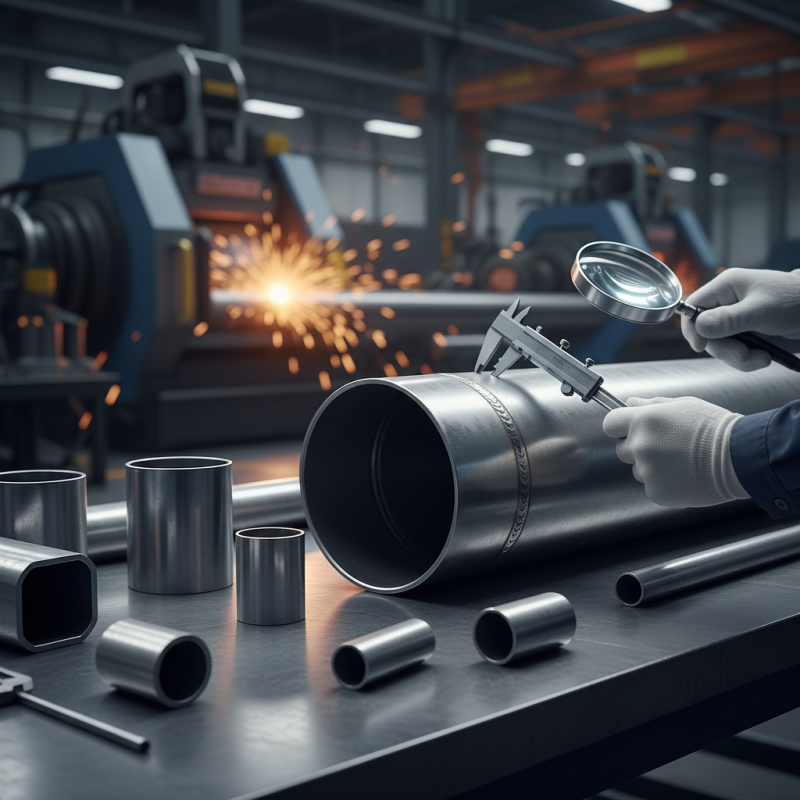
Understanding Electric Resistance Welding: A Brief Overview
Electric resistance welding (ERW) is a crucial manufacturing process. This method uses heat generated by electrical resistance to fuse materials together. It is widely employed in the production of steel pipes and various metal components. Understanding this technique can greatly enhance your selection of ERW products.
When choosing electric resistance welded products, consider the material type and thickness. Different metals respond uniquely to ERW processes. For instance, steel, aluminum, and copper have distinct requirements. Evaluating the material compatibility ensures strong, durable joints. Pay close attention to the manufacturing standards. Reliable suppliers adhere to industry regulations, which enhances product quality.
Tips for effective selection: Always request product certifications. They validate manufacturing processes and material sources. Inspect the weld quality visually. Look for consistency in bead appearance. Ask about their testing methods, like ultrasonic or X-ray inspections. Selecting the right products often requires critical assessment. Base your decisions on both technical specifications and real-world performance. Remember, not all ERW products may meet your expectations, necessitating careful evaluation.
Key Factors to Consider When Choosing ERW Products
When selecting electric resistance welded (ERW) products, several key factors require attention. The material type is crucial. Different metals exhibit varying strength and durability. Consider the specific application of the ERW products. Will they endure heavy loads or resist corrosion? Evaluating the end-use provides insights into what material best suits the task.
Welding quality is another essential factor. Ensure the manufacturer follows strict quality control measures. This includes consistent testing for weld integrity. A reliable welding process results in stronger bonds. Look for certifications that reflect adherence to industry standards. This can give an added layer of assurance regarding product reliability.
**Tips:**
Consider seeking expert opinions. Consulting a professional can clarify your needs and help avoid potential pitfalls.
Additionally, evaluate the supplier's track record. A company with years of experience often delivers better products. Their past performance can indicate future reliability.
Ultimately, weigh the importance of cost versus quality. Sometimes, in seeking lower prices, you may compromise on durability. It's essential to find a balance that meets both your budget and requirements.
2026 How to Choose Electric Resistance Welded Products? - Key Factors to Consider When Choosing ERW Products
| Factor | Description | Importance Rating (1-5) | Considerations |
| Material Type | Select appropriate materials based on application needs. | 5 | Strength, corrosion resistance |
| Weld Quality | Assess the consistency and reliability of welds. | 5 | Testing methods, certifications |
| Wall Thickness | Determine required thickness based on load and stress factors. | 4 | Compliance with standards |
| Dimensional Tolerances | Check tolerances to ensure fit and function in assemblies. | 3 | Machining processes |
| Surface Finish | Consider required surface finish for aesthetic or functional purposes. | 4 | Coatings, treatments |
| Cost | Analyze overall cost versus budget and project goals. | 5 | Long-term value |
| Supplier Reputation | Research supplier history and feedback from past clients. | 4 | Reliability, service quality |
Evaluating the Quality and Durability of ERW Products
Evaluating the quality and durability of Electric Resistance Welded (ERW) products is vital for applications across various industries. ERW products are known for their efficiency, but assessing their performance requires attention to detailed specifications. According to a recent industry report, nearly 30% of ERW products fail to meet durability standards due to subpar materials or manufacturing processes.
One key factor to consider is the welding technique. High-frequency induction (HFI) welding has proven to enhance the integrity of the seam, yet some manufacturers still rely on older methods. This discrepancy can lead to variability in product strength. A study indicated that products made with HFI exhibit a 50% increase in tensile strength compared to those crafted with traditional processes.
Material selection significantly impacts durability as well. High-quality steel with appropriate treatments ensures a longer lifespan. However, not all suppliers provide transparent information about their material sources. An analysis revealed that up to 20% of ERW products had undisclosed alloy compositions. This lack of transparency raises questions regarding performance reliability. Users should examine documentation and seek third-party verification to ensure compliance with industry standards.
Common Applications and Industries for Electric Resistance Welded Products
Electric resistance welding (ERW) is gaining traction in various industries due to its efficiency and cost-effectiveness. The automotive sector extensively uses ERW for joining components. In 2021, ERW accounted for over 24% of global welding production, according to a recent market analysis. This process ensures strong joints and contributes to lightweight vehicle designs, crucial for enhancing fuel efficiency.
In the construction industry, ERW is equally vital. Steel pipes produced via this method are commonly used in structural applications. Analysts project that the demand for Erw Steel Pipes will grow by5.2% annually through 2025. This rise reflects a shift towards sustainable building practices. However, not all ERW products meet the rigid standards required for high-stakes projects. Quality control is essential in this sector.
Additionally, ERW finds applications in the energy sector, particularly for oil and gas pipelines. The durability of ERW pipes under high pressure is a significant advantage. According to industry reports, over 40% of new pipelines utilize ERW technology. It is crucial to assess whether the chosen ERW products can withstand such demands. The industry's growth trajectory signals both opportunity and the need for continuous improvement in manufacturing practices.
Assessing Cost-Effectiveness of ERW Products in Projects
When considering electric resistance welded (ERW) products, cost-effectiveness plays a pivotal role. Projects often require materials that balance performance and budget. ERW products typically offer a competitive price due to their efficient manufacturing process. However, it’s essential to assess not just the upfront costs but also the long-term savings they can provide in maintenance and durability.
Evaluating the cost-effectiveness of ERW products involves multiple factors. Material longevity is critical. Short-term savings may lead to higher costs down the line if the product fails prematurely. Projects must analyze the expected lifespan and any potential extra expenses for repairs. Additionally, comparing the overall performance of ERW products to similar options can provide deeper insight. Sometimes, the best choice is not the cheapest.
Cost calculations should include installation and operational efficiency too. While ERW products might seem affordable, installation can add hidden expenses. It is worth doing the math. Ask questions throughout your project. Challenge assumptions about cost and quality. This conscious evaluation can lead to better choices and ultimately drive project success.

