Essential Tips for Choosing Ground Rod and Earth Rod?
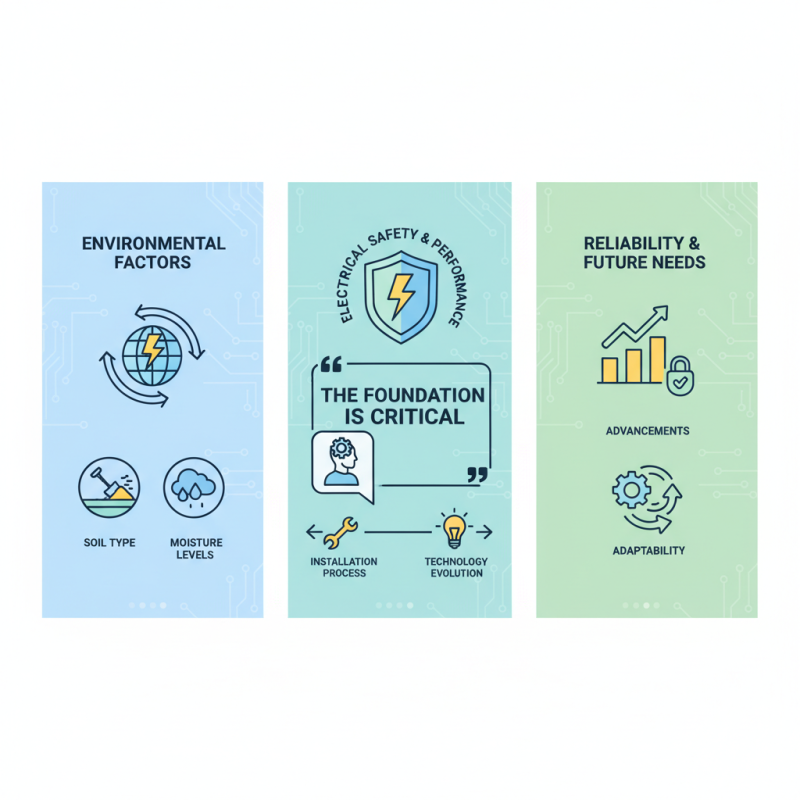
Choosing the right Ground Rod & Earth Rod is critical for electrical safety and performance. John Smith, an expert in grounding systems, once remarked, "The foundation of any electrical system lies in its grounding." This statement emphasizes the importance of selecting the proper materials and techniques.
When evaluating your options, consider the environment where the rods will be installed. Factors like soil type and moisture levels can significantly affect grounding efficiency. It's not just about picking any rod; it’s about ensuring reliability under various conditions. A poorly chosen rod can lead to system failures and safety hazards.
Reflecting on your choices is key. Are there recent advancements you've considered? What about the installation process? Ground Rod & Earth Rod technology continues to evolve, and staying informed is essential. Your decision should not only meet immediate needs but also adapt to future requirements.
Understanding the Importance of Ground Rods and Earth Rods in Safety
Ground rods and earth rods are vital for ensuring safety in electrical systems. They provide a path for electrical faults to dissipate into the ground. This prevents dangerous voltages from building up in equipment. A properly installed ground rod effectively safeguards your property, reducing the risk of electrical shocks and fire hazards.
Choosing the right materials for ground rods is crucial. Copper is often preferred for its conductivity, while galvanized steel is durable and cost-effective. Length and installation depth matter, too. A common recommendation is to bury ground rods at least eight feet deep. However, soil conditions can vary this requirement.
It's easy to overlook these elements during installation. Mistakes can happen, leading to inadequate grounding. Regular inspections can help identify issues early. Proper grounding is not just a technical requirement; it’s essential for human safety. Neglecting ground rods can result in severe consequences, including equipment damage and personal injury. Consider consulting a professional to ensure your system is safe and effective.
Essential Tips for Choosing Ground Rod and Earth Rod
The chart above illustrates the conductivity of different types of ground rods. Copper rods have the highest conductivity, making them the most efficient option for grounding. Galvanized steel rods provide a cost-effective alternative, while stainless steel and aluminum rods are considered for specific applications where corrosion resistance is crucial.
Key Factors to Consider When Selecting Ground and Earth Rods
When selecting ground rods or earth rods, several key factors stand out. The material of the rod plays a significant role. Copper, galvanized steel, and stainless steel are common choices. Each offers different levels of conductivity and corrosion resistance. If you live in an area with high soil salinity, a more resistant material may be necessary. Weighing these options carefully can be essential for long-term effectiveness.
Another crucial factor is the rod's diameter and length. Thicker rods can provide better conductivity, but they may be harder to drive into harder soils. On the other hand, longer rods can ensure a deeper connection with the earth, which is particularly vital in rocky terrains. However, longer rods can pose installation challenges as they might require more equipment.
Consider the soil conditions as well. Soil resistivity varies widely. Moist, sandy soil typically allows for better grounding than dry, rocky soil. Performing a soil resistivity test can provide valuable data to guide your selection. If testing isn’t feasible, local knowledge can sometimes fill this gap. Remember, each project is unique, and the right choice may not always be clear. Experimentation and adjustments along the way could lead to the best results.
Material Options for Ground Rods: Copper, Stainless Steel, and More
When selecting a ground rod, material choice plays a crucial role in performance and longevity. Common options include copper and stainless steel. Each material has distinct properties that influence conductivity and corrosion resistance. Copper rods, known for their excellent conductivity, offer a low resistance path for electrical currents. According to the National Electrical Manufacturers Association, copper rods have a conductivity rating of 58% IACS (International Annealed Copper Standard).
Stainless steel rods, while less conductive, are highly resistant to corrosion. They work well in harsh environments where moisture and chemicals are a concern. Reports from the American Galvanizers Association indicate that galvanized steel can last over 50 years when properly installed. This makes it a reliable alternative, particularly in varying climate conditions.
When choosing a ground rod, consider the environment. If you are in a coastal area with high humidity, stainless steel may be better suited. For general applications, copper rods are often recommended for their efficiency. However, always be aware of the balance between cost and long-term durability. An initial investment in high-quality material may save expenses on replacements over time.
Installation Techniques for Maximum Effectiveness of Ground Rods
When installing ground rods and earth rods, effective techniques are crucial for safety and performance. Professionals recommend a proper depth, often between 8 to 10 feet, to ensure adequate grounding. The National Fire Protection Association (NFPA) notes that a well-placed rod can significantly reduce the risk of electrical surges.
The spacing of ground rods affects their efficiency as well. Proper spacing, typically at least twice the rod's length apart, helps in mitigating electrical interference. A study by the Institute of Electrical and Electronics Engineers (IEEE) emphasizes that ineffective grounding can lead to an increased risk of equipment damage. Therefore, ensuring correct installation techniques can protect both property and individuals.
Soil conditions also play a vital role. Dry or rocky soils may require multiple rods connected in parallel to ensure effectiveness. Engineers often recommend testing soil resistivity before installation. This step helps determine the number of rods needed. Despite best efforts, poor installation techniques can occur. Regular inspections help catch these mistakes early, ensuring the grounding system remains functional.
Essential Tips for Choosing Ground Rod and Earth Rod
| Feature | Description | Tips |
| Material | Common materials include copper, galvanized steel, and stainless steel. | Choose a material based on corrosion resistance for your environment. |
| Length | Rod length typically varies from 8 to 10 feet depending on soil conditions. | Longer rods may be needed in high-resistance soils. |
| Diameter | Diameter usually ranges from 1/2 to 1 inch. | A larger diameter can provide better conductivity. |
| Installation Depth | Installing below the frost line is crucial for effectiveness. | Consult local codes for proper installation depth. |
| Maintenance | Regular checks on corrosion and soil conductivity are important. | Consider periodic replacement based on condition. |
Maintenance and Inspection Practices for Longevity of Ground Rods
Ground rods and earth rods are crucial for ensuring electrical safety. To maintain their effectiveness, regular inspection and maintenance practices are essential. Over time, corrosion and soil conditions can affect their performance. If the rod is installed in moist or rocky soil, it may degrade faster than expected.
Routine checks should be performed at least once a year. Look for signs of rust, breakage, or loose connections. If you find deterioration, replacing the rod might be necessary. Clean the rod and its connections to ensure optimal conductivity. Keep an eye on the surrounding soil; it should not be excessively dry or saturated.
Documenting maintenance activities can help track changes over time. If a ground rod looks worn, questions about its integrity arise. Consider consulting a professional if you notice any issues. Their expertise ensures your grounding system remains reliable and effective. Regular maintenance isn't just advisable; it's an investment in safety and efficiency.

