
Back
Contact us

What Are Electric Pallet Jacks and How Do They Work?

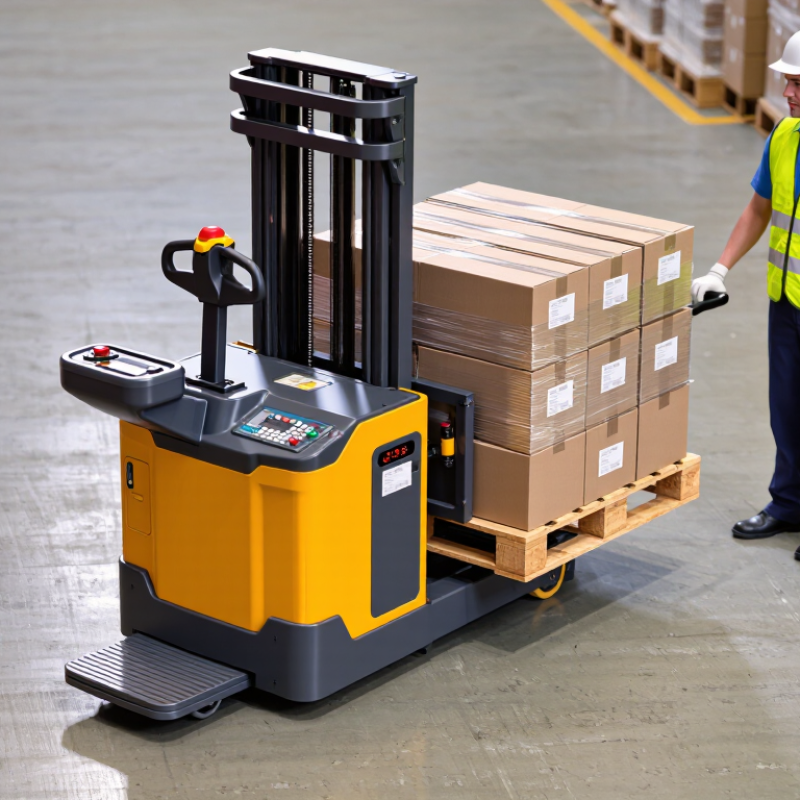
Electric Pallet Jacks are compact powered machines that move palletized goods across warehouses, retail backrooms, and loading areas. They usually combine a battery, electric drive motor, steering tiller, and hydraulic lifting system. Unlike a manual pallet truck, the operator does not push the full load by hand. Instead, a control handle sends commands to the motor and lift mechanism. The forks slide beneath a pallet, rise slightly, and travel at a controlled speed.

Industry research supports their growing relevance. MHI’s 2024 Annual Industry Report highlights continued investment in material-handling technology, labor efficiency, and warehouse productivity. Interact Analysis also reports sustained demand for warehouse automation and electric equipment. These findings do not mean every facility needs the most advanced machine. That assumption deserves caution. A small store may value simple controls and quick charging more than autonomous navigation.

In practical use, the operator checks the battery, inspects the forks, and confirms the load is stable. The drive motor then powers the wheels, while hydraulic pressure raises the forks. Braking systems, emergency reverse buttons, horns, and speed controls help reduce workplace risks. Still, technology cannot replace training or sensible traffic planning. OSHA guidance emphasizes safe powered industrial truck operation, including operator training and workplace awareness. Model specifications vary widely. Some electric pallet jacks lift only a few inches, while high-lift versions support different tasks. Understanding these differences helps buyers match capacity, battery life, turning radius, and aisle conditions with real operating needs. That practical fit matters more than a brochure’s impressive headline.
What Are Electric Pallet Jacks and How Do They Work?

What Are Electric Pallet Jacks?

Electric pallet jacks are compact warehouse machines designed to move palletized loads across short distances.

They use an electric motor instead of manual pulling. A rechargeable battery powers the drive wheel and lifting system. Operators control movement with a handle, buttons, or a small control panel.

The forks slide beneath a pallet and lift it slightly above the floor. Then, the drive wheel moves the load smoothly through aisles, loading areas, or storage rooms.

Many models include emergency stops, warning signals, and speed controls. These features can reduce physical strain, but they do not remove workplace risks.

Uneven floors, overloaded pallets, and poor visibility still require careful judgment. In practice, a new operator may need more training than expected.

Tips:

Check the battery, forks, wheels, and controls before use. Keep both feet clear of the pallet path. Move slowly near corners and people. Use only rated loads, even when the machine feels powerful.

A practical detail is often missed: damaged pallets can shift during lifting. Stop immediately if the load leans, the controls respond unusually, or the equipment makes unfamiliar sounds.

Key Components and Their Functions

What Are Electric Pallet Jacks and How Do They Work?

Key Components and Their Functions

Electric pallet jacks move loaded pallets with less physical effort than manual models. Their compact design suits warehouses, loading docks, and narrow storage areas. The battery supplies energy to a drive motor, which turns the powered wheel. A control handle manages travel, steering, lifting, and lowering.

The forks support the pallet beneath its bottom boards. A hydraulic pump raises them, while hydraulic fluid transfers pressure through the lifting system. The lowering valve releases pressure in a controlled way. Many units include a tiller head, emergency reverse button, horn, and battery indicator. These parts seem simple, but small failures can affect daily work. A weak battery may reduce lifting speed. A damaged wheel can make steering uneven.

Operators should check the forks, wheels, controls, and battery before each shift. Look for fluid leaks and unusual sounds. Keep both feet clear of the moving unit. Loads should remain centered and within the rated capacity. In practice, new operators sometimes focus on speed and forget turning space. That habit needs correction.

Tips: Charge the battery in the approved area. Keep terminals clean and dry. Test the emergency control before moving a load. Do not use the jack if its steering, brakes, or lifting action feels abnormal. Record repeated faults, even when the equipment still works. Small warnings can become expensive problems.

What Are Electric Pallet Jacks and How Do They Work?

Electric pallet jacks use a battery-powered drive motor to move palletized loads, while an electric lift motor raises and lowers the forks. The chart shows common nominal battery-voltage levels used in electric pallet jack systems.

Key Components and Their Functions

  • Battery: Stores and supplies electrical energy to the drive and lift systems.
  • Drive motor: Converts electrical energy into traction to move the pallet jack.
  • Lift motor and hydraulic pump: Generate hydraulic pressure to raise the forks.
  • Controller: Regulates motor speed, direction, acceleration, and braking.
  • Operator controls: Allow the user to steer, travel, lift, lower, and stop the equipment.
  • Load wheels and steering wheel: Support the load and transfer motor power to the floor.

Battery voltage is a system specification rather than a direct measure of lifting capacity. Actual performance depends on rated load, motor design, battery capacity, operating conditions, and the pallet jack configuration.

How Electric Pallet Jacks Operate Step by Step

An electric pallet jack moves loads through a controlled sequence. The operator turns the key and checks the battery display. A handle-mounted controller then sends a low-voltage signal to the drive system. The motor converts electrical energy into wheel rotation. The machine moves quietly, but not silently.

When the operator presses the travel control, the controller regulates speed and direction. Releasing it usually activates electromagnetic braking. This response helps reduce unintended movement near racks or people. The operator then positions the forks beneath the pallet. A hydraulic pump raises the forks after the lift switch is pressed. Oil pressure moves a cylinder, lifting the load evenly. Small errors matter here. Uneven entry can damage pallets or shift the center of gravity.

The operator lowers the forks at the destination and releases the travel control. The braking system stops the drive wheel. Charging follows through a designated charger and compatible battery connection. Battery condition affects lifting strength, travel speed, and available working time. The 2024 MHI Annual Industry Report reported that 55% of surveyed organizations already use robotics or automation. Electric pallet jacks fit this trend through simpler, repeatable material movement. However, automation does not remove judgment. OSHA’s powered industrial truck guidance still emphasizes operator training, pre-use inspections, and controlled travel. Real warehouses are crowded and imperfect. That is why trained operators should check brakes, forks, controls, wheels, and warning devices before each shift.

Main Types and Common Applications

Electric pallet jacks move palletized loads with a battery-powered drive motor and lifting system. An operator controls travel speed, direction, and fork height from a handle. Their compact design suits narrow warehouse aisles and busy stockrooms.

The walkie pallet jack is the most common type. The operator walks behind it while moving loads across short distances. It works well in retail backrooms, small warehouses, and delivery areas. An end-control pallet jack provides stronger travel control and longer operating comfort. It often handles repeated loading tasks. Rider pallet jacks include a standing platform or small riding area. They are useful for moving pallets across large distribution centers. They save walking time, but they need wider travel paths.

Electric pallet jacks also serve cold storage rooms, manufacturing lines, grocery facilities, and loading docks. In cold environments, battery performance may change. Operators should check charging procedures and equipment ratings before regular use. On a loading dock, balanced forks and steady speed matter. A tilted or damaged pallet can shift unexpectedly.

Capacity, fork length, turning radius, and battery runtime should guide equipment selection. A walkie model may be ideal for short routes, but inefficient for constant cross-warehouse travel. That distinction is easy to miss. Daily inspections should include wheels, forks, controls, emergency stops, and visible battery damage. Training remains essential, even when the controls seem simple. Practical experience shows that rushing near blind corners causes more trouble than the machine itself.

Safety Features, Benefits, and Operating Limits

Electric pallet jacks are powered industrial trucks designed to move palletized loads across warehouses, docks, and short travel routes.An electric motor drives the wheels, while the tiller controls travel, steering, lifting, and braking. Their compact shape reduces manual pushing and can improve productivity in busy aisles. However, power does not remove risk. OSHA reports about 35,000 serious forklift-related injuries annually, although this figure covers powered industrial trucks broadly, not pallet jacks alone.The lesson is uncomfortable: small equipment still demands disciplined operation.

Common safety features include emergency reverse buttons, horns, automatic braking, speed controls, tiller guards, and battery indicators. Operators must check the capacity plate, forks, wheels, controls, and battery before use. The load should remain stable, centered, and within the rated capacity. Never carry people unless the equipment is specifically designed for that purpose.

Operating limits also matter. Wet floors, steep ramps, damaged dockboards, poor visibility, and crowded pedestrian areas can quickly defeat electronic safeguards. OSHA’s 29 CFR 1910.178 requires operator training and performance evaluation at least every three years, with refresher training after unsafe events or workplace changes.

Tips: Keep both feet clear of the wheels and travel with the load low. Sound the horn near blind corners. Do not assume a quiet motor means a safe machine. A practical improvement is marking pedestrian lanes, although markings alone cannot control careless behavior. Battery charging areas need ventilation, inspection, and controlled access. When uncertain, stop and ask a supervisor. Hesitation is safer than guessing.

Article Source: