Back
Contact us

How to Choose the Best Skin Light Therapy Device?

Choosing the right Skin Light Therapy Device requires more than comparing brightness, prices, or attractive product photos. The best choice depends on your skin concern, treatment goal, light wavelength, safety controls, and usage habits. A device that suits uneven tone may not suit sensitive skin or post-inflammatory marks. Results also vary between users.

Dr. Michael R. Hamblin, a leading photomedicine researcher, describes photobiomodulation as “a form of light therapy that utilizes non-ionizing forms of light sources, including lasers, light emitting diodes, and broadband light.” This distinction matters. Different light sources can produce different biological effects, while home devices usually offer lower intensity than professional equipment. Therefore, marketing claims should never replace evidence, realistic expectations, or professional guidance.

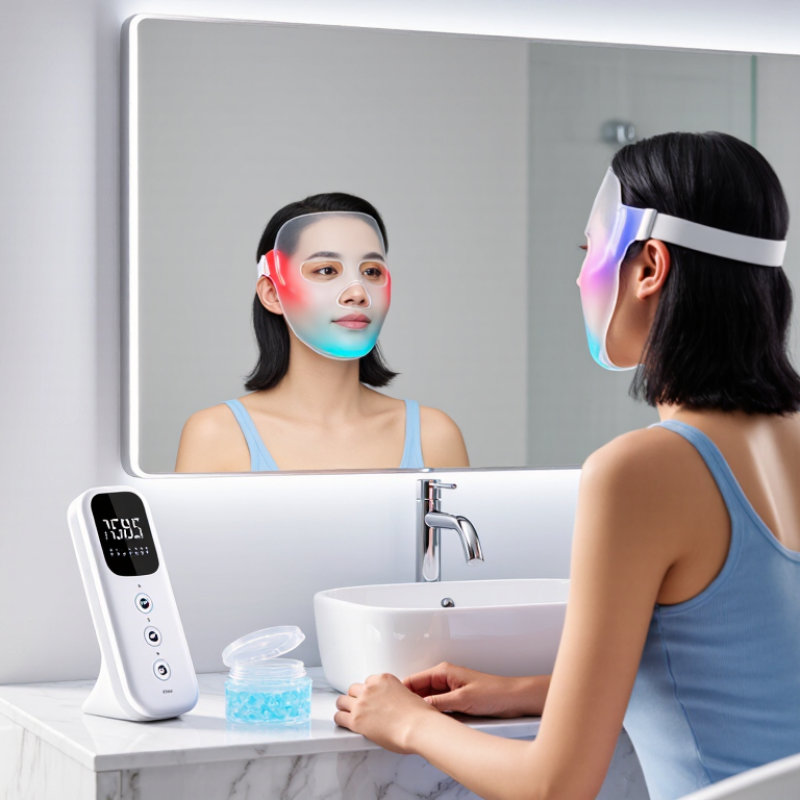
Look closely at the details. Check the stated wavelengths, treatment distance, session time, eye-protection instructions, and cooling features. A flexible mask should sit evenly across the face, while a handheld panel needs consistent positioning. Review independent testing, warranty terms, and published clinical support. Avoid devices promising instant whitening or permanent results. Skin does not change overnight.

Your routine matters too. A technically strong device may remain unused in a drawer. I have found that simple controls and comfortable materials often encourage better consistency. Still, convenience can hide limitations. Some specifications remain unclear, and not every attractive study applies to every consumer device. Consider your skin history, follow the manufacturer’s directions, and consult a qualified dermatologist when irritation, pigmentation changes, or uncertain symptoms appear. The safest decision is an informed one.
How to Choose the Best Skin Light Therapy Device?

Understanding How Skin Light Therapy Works

How to Choose the Best Skin Light Therapy Device?

Understanding how skin light therapy works begins with wavelength, not appearance. Red and near-infrared light may stimulate cellular activity and support collagen-related processes. Blue light targets acne-associated bacteria near the skin surface. These effects are biological, not magical.

A 2023 review in the Journal of Clinical Medicine found that photobiomodulation studies commonly used red light between 620 and 700 nanometers. Near-infrared protocols often used wavelengths around 800 to 850 nanometers. However, treatment results varied because dose, irradiance, skin type, and study design differed. The American Academy of Dermatology also notes that visible light can help some acne cases, but maintenance treatments may be necessary. Evidence remains uneven.

Look for transparent technical data. The device should state its wavelength, irradiance, treatment time, and recommended distance. A bright panel is not automatically a stronger or safer panel. Eye protection matters, especially with intense blue light. Follow the manufacturer’s instructions and stop if burning, persistent redness, or discomfort develops.

I would be cautious.

A 2016 Cochrane review reported limited confidence in many light-based acne findings because clinical trials were often small or poorly standardized. That criticism still matters. Choose devices supported by human clinical research, realistic timelines, and clear safety guidance. Avoid promises of permanent whitening. Skin can become uneven again through ultraviolet exposure, inflammation, hormones, or irritation. Consult a dermatologist when pigmentation changes suddenly or resists careful treatment.

Identifying Your Skin Concerns and Treatment Goals

Choosing a skin light therapy device should begin with your skin concern, not its appearance or price. Uneven tone can come from sun exposure, post-acne marks, melasma, or natural pigmentation. These concerns may look similar, but they often need different care. A vague goal, such as “brighter skin,” is difficult to measure. Define a clearer target, like reducing brown marks or improving overall dullness.

Look closely at the affected areas in natural light. Note their color, size, texture, and location. Take a simple photograph before treatment, using the same room and distance each time. Short wavelengths may target surface concerns, while other light ranges are studied for inflammation and collagen support. However, device settings matter. Check the stated wavelength, energy level, treatment time, and eye protection requirements. Published technical information is more useful than dramatic promises.

A dermatologist can help identify melasma, suspicious lesions, or irritation that should not be treated at home. People with sensitive skin should consider a small patch test and begin cautiously. Stop if burning, swelling, or lasting redness appears. Results are usually gradual, and maintenance may be necessary. My own planning would include one uncomfortable question: am I treating a real concern, or chasing perfectly uniform skin? The answer can change the safest goal.

Comparing Light Types, Wavelengths, and Device Designs

Choosing a skin light therapy device starts with wavelength, not appearance. Red light, commonly 630–660 nm, may support collagen activity and calm visible redness. Near-infrared light, usually 810–850 nm, reaches deeper tissue. A 2023 review in the Journal of Cosmetic Dermatology reported these ranges most often in non-invasive facial studies, although treatment doses varied widely. Blue light, often near 415 nm, targets acne-related bacteria rather than general pigmentation. It is not a universal brightening solution.

Device design changes the dose your skin receives. Compare irradiance, measured in mW/cm², and treatment energy, measured in J/cm². A 2022 review in the International Journal of Molecular Sciences noted that inconsistent irradiance and exposure times make home-device comparisons difficult. A flexible mask may sit close to the face, while a panel can cover more skin but create uneven distance. Eye protection matters, especially with blue or high-intensity light.

Look for wavelength accuracy, heat control, automatic timing, and clear safety testing. Avoid products that promise permanent pigment removal. A 2024 professional review in Dermatologic Surgery emphasized that melasma and post-inflammatory hyperpigmentation often need diagnosis before light treatment. My cautious view: more power is not automatically better. The evidence remains uneven, and some device labels simplify complicated measurements. A dermatologist can also check whether dark patches reflect irritation, medication, or another skin condition.

Checking Safety Features, Clinical Support, and Ease of Use

Choosing a skin light therapy device starts with safety, not appearance. I look for adjustable intensity, automatic shutoff, and clear eye protection guidance. A stable treatment timer prevents accidental overuse. Good devices explain heat, light exposure, and possible skin reactions in plain language. That matters.

Clinical support should be specific, not decorative. Check whether published studies match the device’s wavelength, treatment time, and intended skin concern. Independent research carries more weight than anonymous testimonials. A qualified dermatologist can also review medications, pigmentation disorders, and light sensitivity before treatment. Evidence may be limited. That is worth admitting.

Ease of use affects consistency more than many buyers expect. A comfortable fit, readable controls, and a simple cleaning routine reduce skipped sessions. I prefer instructions that state when to stop, rather than promising dramatic results. Take dated photos under the same indoor light. Small changes are easier to judge that way. My own mistake was trusting a bright display as proof of effectiveness. It was only a bright display. Check service information, warranty terms, and replacement parts before purchase. If instructions feel vague, choose caution over convenience.

How to Choose the Best Skin Light Therapy Device: Safety Features, Clinical Support, and Ease of Use
Device Type Common Wavelength or Technology Typical Skin Concern Clinical Support Safety Features to Check Ease-of-Use Considerations Important Limitations
Blue LED Therapy Usually approximately 405–420 nm visible blue light Mild to moderate acne and acne-related inflammation Moderate to strong
Blue light is commonly studied as an acne treatment, particularly as an adjunct for superficial acne-causing bacteria.
Built-in timer, protective eyewear or eye shields, low-heat operation, and clear instructions regarding photosensitizing medicines Generally simple to operate; treatment schedules commonly require repeated sessions over several weeks. May not adequately treat deep nodules, cystic acne, acne scarring, or the underlying causes of acne.
Red LED Therapy Usually approximately 620–660 nm visible red light Fine lines, mild inflammation, and support for skin appearance Moderate
Studies support possible benefits for skin rejuvenation, but results vary with wavelength, dose, treatment schedule, and device design.
Eye protection, automatic shutoff, controlled treatment time, low surface temperature, and clearly stated irradiance and energy dose Usually non-invasive and comfortable, with little or no downtime; consistent use is important. Results are usually gradual and modest. It should not be presented as a replacement for sunscreen, prescription treatment, or cosmetic procedures.
Near-Infrared LED Therapy Often approximately 810–850 nm, sometimes combined with red light Skin appearance and low-level photobiomodulation applications Limited to moderate
Evidence is developing and depends strongly on the treatment dose and intended use.
Heat monitoring, automatic shutoff, eye-safety guidance, accurate treatment distance, and transparent irradiance information Usually hands-free and painless, but devices may feel warm and require regular sessions. Claims about dramatic lifting, fat reduction, or treatment of medical disease should be treated cautiously unless supported by high-quality clinical evidence.
Narrowband UVB Therapy Typically approximately 311–313 nm ultraviolet B light Conditions such as psoriasis, vitiligo, and some forms of eczema Strong under medical supervision
Narrowband UVB is an established dermatology treatment for several conditions, but dosing must be individualized.
Medical supervision, calibrated dosing, treatment timers, exposure records, protective eyewear, and safeguards against accidental overexposure Requires careful scheduling and monitoring; home treatment should follow a clinician’s treatment plan. UV exposure can cause burns, premature skin aging, and increased long-term skin risks. It is not suitable for casual cosmetic use.
Intense Pulsed Light (IPL) Broad-spectrum filtered light; specifications vary by device and treatment mode Unwanted hair, selected pigmentation concerns, and some vascular or redness concerns Condition-dependent
IPL is used clinically, but home devices generally operate at lower energy levels and may produce less noticeable results.
Skin-tone sensor, contact cooling, UV filtering, protective eyewear when required, pulse counter, skin-contact sensor, and automatic shutoff Often easy to use, but the treatment area must usually be shaved and sessions repeated according to the instructions. Risk is higher on recently tanned or darker skin when the device is not designed for that skin tone. It may cause burns or pigment changes if used incorrectly.
Combination Red and Blue LED Separate red and blue LED settings or simultaneous treatment Acne with associated redness or post-inflammatory appearance concerns Moderate
Combining wavelengths may address different treatment goals, but evidence depends on the exact device and treatment protocol.
Independent wavelength controls, eye protection, timer, low-heat design, and clearly stated contraindications Offers greater flexibility but may require different schedules for different modes. More settings do not automatically mean better results. Avoid devices with vague wavelength, dose, or safety specifications.
Selection checklist: Prefer devices that clearly disclose wavelength, irradiance or energy dose, treatment distance, recommended session time, contraindications, eye-safety instructions, warranty information, and applicable regulatory clearance. Avoid ultraviolet devices for cosmetic brightening, and consult a qualified healthcare professional before using light therapy if you take photosensitizing medication, have a photosensitive disorder, are pregnant, have a history of skin cancer, or have unexplained skin lesions.

Choosing the Right Device for Your Routine and Budget

Choosing a skin light therapy device starts with your routine, not its appearance. For uneven tone, select a device with clearly stated wavelengths, treatment time, and safety instructions. Red and near-infrared light are commonly studied for skin repair, while visible-light devices may target some pigmentation concerns. Results vary widely.

Check the evidence.

A 2024 Grand View Research report estimated the global LED light therapy market at over US$1 billion, showing strong consumer interest. Market growth, however, does not prove that every home device works equally well. The American Academy of Dermatology advises realistic expectations and recommends professional guidance for persistent pigmentation. Look for published clinical testing, protective eyewear guidance, and a transparent return policy. Avoid products promising permanent whitening or dramatic changes within days.

Budget matters.

A lower-cost device may suit a beginner who can maintain short sessions several times weekly. A higher-priced model may offer better fit, clearer controls, or stronger testing, but price alone is not proof of performance. Measure your actual routine: ten minutes after cleansing may be realistic; thirty minutes before work may not be. Take photographs under the same window light every four weeks. Skin can look brighter temporarily after hydration, which may confuse your comparison. I would also question any plan that ignores sunscreen, because ultraviolet exposure can undermine progress. If you use prescription treatments, have sensitive skin, or develop warmth and irritation, pause and consult a qualified dermatologist.