How to Choose the Best Round Rubber Drive Belts for Your Needs?
When it comes to selecting the best Round Rubber Drive Belts, a thoughtful approach is essential. These belts play a crucial role in various machinery and equipment. The right choice can significantly impact performance and longevity. However, the vast options available can be overwhelming.
Understanding your specific needs is vital. Consider factors such as the application, environment, and required durability. Many buyers often overlook details like size and compatibility. Such oversights can lead to inefficiency and frustration. Choosing the wrong belt might be an expensive mistake.
Expertise in the field can guide you through this decision. Seeking advice from professionals helps you avoid common pitfalls. Trustworthy suppliers often provide valuable insights. Their knowledge can ensure you select the best Round Rubber Drive Belts for your unique requirements. Balancing quality and cost can be challenging but ultimately rewarding.
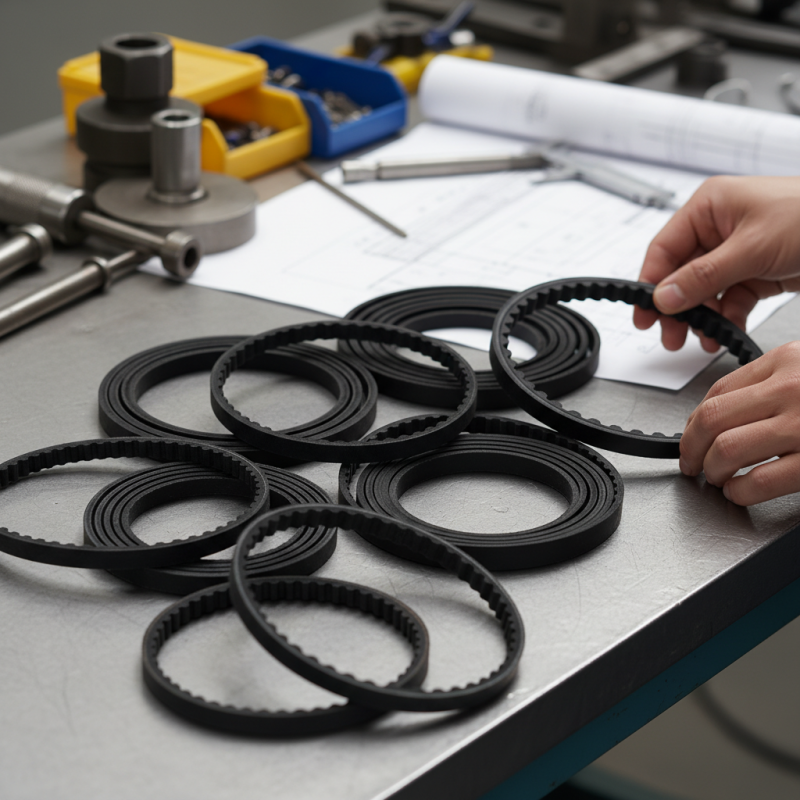
Understanding the Different Types of Round Rubber Drive Belts
When selecting round rubber drive belts, understanding the varieties available is essential. Round rubber drive belts can be made from different materials. Each material offers unique properties, impacting performance. For example, some belts are more durable, while others provide quieter operation. Evaluating your specific application is key.
Another detail to consider is the size and thickness of the belt. A belt that is too thin may wear out quickly. On the other hand, one that is too thick can create unnecessary friction. Pay attention to the operating conditions, as temperature and humidity can also affect belt longevity. Each application may require careful consideration for optimal performance.
It is also vital to think about compatibility with your equipment. Not all belts fit every machine perfectly. Mismatched components can lead to inefficiencies. Researching available options helps avoid possible mistakes. The nuances can significantly influence your equipment's overall functionality. Take time to weigh these factors carefully before making a final decision.
Key Factors to Consider When Choosing Drive Belts
When choosing round rubber drive belts, several key factors are essential for making an informed decision. The type of application plays a significant role in your selection process. For instance, consider the horsepower and torque required. Some machines demand high endurance, while others may function with standard options. Evaluate your unique requirements carefully.
Material quality is another important consideration. Choose belts made from durable materials to resist wear and tear. Rubber formulations can vary significantly, affecting performance. Pay attention to factors like temperature resistance and flexibility. A belt that is too rigid may break easily, while a belt that is too soft may not provide the necessary grip.
Compatibility with your equipment is crucial. Measure the belt size accurately. Incorrect dimensions can lead to inefficiencies. Lastly, consider the environment where the drive belt will operate. Outdoor exposure or extreme temperatures can influence the belt's longevity. A less suitable choice may result in frequent replacements or failures, increasing long-term costs. Reflect on these aspects to ensure optimal performance in your applications.
Measuring the Right Size for Your Drive Belt
Measuring the right size for your round rubber drive belt is crucial for optimal performance. Accurate measurements ensure that the belt fits snugly on the pulleys, minimizing wear and maximizing efficiency. According to industry reports, a belt that is too loose can slip, while one that is too tight can cause excessive strain on both the motor and the belt. It's important to consider both the outer diameter and width when taking measurements.
To measure correctly, start by removing the old belt, if applicable. Lay it flat to determine the length. Use a flexible measuring tape to get an accurate circumference. For new setups, refer to the manufacturer's specifications for the correct belt size. Studies indicate that nearly 30% of machinery issues arise due to improper belt sizing. This emphasizes the importance of precision.
Gauge the belt’s width to ensure compatibility with your pulleys. A misfit can lead to inefficiencies and premature failure. Use calipers for precise width measurement. Remember, even slight variations can impact performance. Reflect on past experiences; small mistakes in sizing can lead to larger mechanical failures. Taking time to measure accurately pays off in the long run.
Assessing Material Quality and Durability of Belts
When selecting round rubber drive belts, material quality is paramount. High-quality rubber offers superior resilience and strength. Reports indicate that belts made from EPDM (Ethylene Propylene Diene Monomer) can withstand extreme temperatures and harsh environments. Such durability often translates to a longer lifespan, reducing the need for frequent replacements.
Another critical factor is the belt's hardness. Hardness is measured on the Shore A scale. Belts with a hardness between 60 to 80 Shore A provide excellent traction without compromising flexibility. However, softer belts might wear out faster in high-tension applications. Industry data suggests that belts with a higher durometer rating experience less slippage but may lack flexibility in tight spaces.
It's important to reflect on usage scenarios. For example, belts subjected to heavy loads might require more robust materials. Experiencing frequent failures can indicate inadequate material choice or improper specifications. Therefore, understanding the specific demands of your application is essential. A belt that works in one situation may not perform well in another. Evaluating the performance history of similar products can be helpful in this regard.
Finding Reputable Suppliers for Purchase and Support
When selecting round rubber drive belts, engaging with reputable suppliers is crucial. A reliable supplier not only provides quality products but also offers ongoing support. Research suppliers thoroughly. Look for companies with a strong history in the industry and positive customer reviews. Quality matters, but so does service.
Tips: Ensure the supplier has a clear return policy. This shows confidence in their products. A responsive customer service team indicates that the supplier values its customers. Don't hesitate to reach out with questions. Their willingness to assist can provide insights into their reliability.
Another key aspect is product testing. If possible, test different belts before making a bulk purchase. Sometimes, even slight differences in material can impact performance. This step often requires going beyond online descriptions. Connecting with suppliers directly can provide clarity on product specifications and compatibility with your machinery. Remember that understanding your needs goes hand in hand with evaluating supplier offerings.

