Back
Contact us

How to Choose the Best EV Power Station in China?

Choosing an Ev Power Station in China means looking beyond a large power rating. The right choice depends on the site, vehicles, daily traffic, and available electrical capacity. A station beside a busy highway faces different demands from one serving a workplace or residential complex. Check connector compatibility, charging speed, operating temperature range, and after-sales support. Ask for test reports and clear warranty terms. A polished brochure is not proof.

Zhang Yongwei, vice-chairman of China EV100, is a recognized voice on China’s electric-vehicle industry. As an editorial paraphrase of a practical industry principle, his perspective can be put this way: “Match charging capacity to real demand and local conditions.” This is not a verbatim quotation. It captures a useful buying test: will the station serve the vehicles that actually arrive, without exceeding the site’s practical power limits?

Details matter. A cold morning, a full car park, or a delayed service visit can expose weaknesses that a showroom demo will not. Compare total ownership costs, including installation, maintenance, software, and likely downtime. Verify that the supplier can support the equipment in your region. Then check its performance claims against independent documentation.

There is no perfect choice. Even careful forecasts can miss. This guide examines the key specifications, supplier questions, and site checks that help buyers make a sound, evidence-based decision.
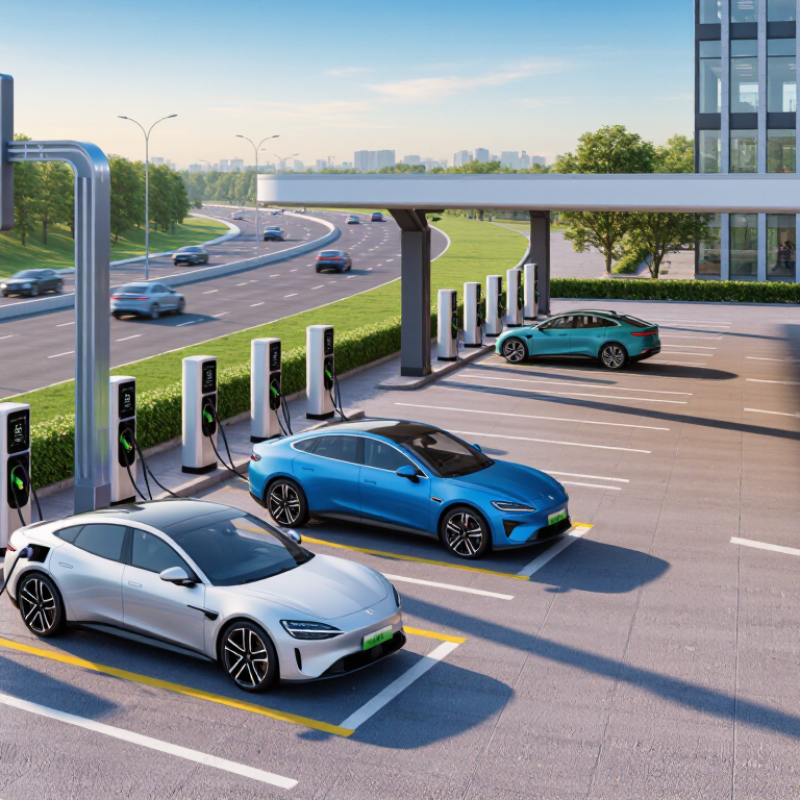
How to Choose the Best EV Power Station in China?

Identify Your Vehicle’s Charging Needs and Daily Usage

Choosing an EV power station starts with your actual driving, not the largest number on a product label. Check your vehicle’s battery capacity, onboard AC charging limit, and connector type. Then estimate daily energy use from your typical distance and the vehicle’s consumption. For example, a 50-kilometre commute at 16 kWh per 100 kilometres uses about 8 kWh before charging losses. Leave some margin for detours, cold weather, and ageing batteries. Small numbers matter.

Next, compare that daily need with the charger’s output and the time your car is parked. A modest AC unit may be enough for overnight top-ups, while frequent long drives may call for faster charging elsewhere. Confirm that the home circuit and wiring can support the planned load; have a qualified electrician assess them rather than relying on an extension cord. In China, also verify the unit’s compatibility with your vehicle and the available household supply. A common planning mistake is buying extra power that daily use never needs. Still, estimates are imperfect: traffic, temperature, and driving style can change consumption, so review your usage after a few weeks.

How to Choose an EV Power Station in China

Estimate the energy your daily driving requires before choosing a charging solution.

Estimates use an assumed consumption of 18 kWh per 100 km: daily distance × 0.18. Actual use varies with the vehicle, speed, weather, terrain, and driving style. These figures estimate energy for driving and do not include charging losses.

Check Connector Compatibility and Charging Speed

Before buying an EV charging station in China, check the connector against your vehicle’s inlet. Many locally sold vehicles use GB/T connectors, but the exact AC or DC connection still matters. Compare the vehicle manual with the station’s technical sheet, not just the product photos. Check carefully. An adapter may not support every charging mode or power level, so confirm compatibility with the vehicle and station supplier.

Charging speed depends on more than the station’s advertised kilowatts. For AC charging, the vehicle’s onboard charger can limit how much power it accepts. For DC charging, the vehicle, station, cable, and site supply all affect the result. Battery temperature and charge level can also reduce power, especially in cold weather or near a full battery. That matters. A high rated output does not guarantee the same speed at every stop.

Look for clear ratings, connector details, and operating conditions in the specifications. Ask whether the stated speed is peak output or a typical figure. If you charge at home, have the electrical supply assessed before choosing a high-output unit. A careful comparison takes a little longer. It can prevent buying a station that fits on paper but charges slowly in daily use. Even good specifications leave some uncertainty; real performance varies by vehicle and conditions.

Compare Station Safety, Certification, and Reliability

A safe EV power station should be judged by traceable test evidence, not a polished display. The IEA’s Global EV Outlook 2024 reported more than 3.3 million public charging points in China at the end of 2023. That scale makes consistent inspection and maintenance essential; it does not, by itself, prove reliable service.

Check that the equipment meets applicable Chinese standards, including GB/T 18487.1-2023, and verify its China Compulsory Certification status where required. China’s market regulator brought EV supply equipment into CCC management, with certification required for products within scope from August 1, 2025. Ask for the certificate number, covered model, test scope, and issuing body, then verify the details through an official channel.

Paperwork matters. At the site, examine connector pins, cable jackets, emergency-stop controls, drainage, and ventilation around the cabinet. Request 12-month uptime, fault rates, and average repair times—not just installation counts. One detail is easy to miss: reported uptime may exclude failed payment attempts or brief outages. I would compare those definitions before trusting a headline figure.

Assess Location, Availability, and Payment Options

When choosing an EV power station in China, check the site against your actual route, not just a map pin. A station near a highway exit may still require a detour, while a city-center site can be hard to enter during peak hours. The International Energy Agency’s Global EV Outlook 2024 reports that China held about 70% of the world’s public charging points in 2023, including roughly 85% of public fast chargers. That scale is encouraging. It does not guarantee an available plug at your arrival time. Check live status, connector type, charging speed, and recent user comments. A few minutes of checking can save a long wait.

Payment deserves equal attention. Before driving over, confirm whether the site accepts a scan-to-pay code, a mobile payment app, or a bank card. Some stations may require account setup, and mobile reception can be patchy in underground garages. Keep a second payment method ready. Small detail, big difference. I would also check the displayed service fee and parking rules; these can vary by site and may change the final cost. Availability data is useful, but it can lag behind real conditions. Treat it as a guide, not a promise.

How to Choose the Best EV Power Station in China? — Assess Location, Availability, and Payment Options

A practical comparison of common EV charging locations and their typical features. Availability, charging power, fees, and payment methods vary by station.

Location type Typical charging options Availability considerations Common payment options Best suited for
Urban public charging hub Often a mix of DC fast charging and AC charging; DC output commonly ranges from around 60 kW to 250 kW, depending on the equipment. More choice in major cities, but busy periods can mean queues or occupied connectors. Check live status before travelling. Station QR code, charging-service mini-program or app, and sometimes an RFID card. Supported methods differ by operator. Drivers who need a convenient public top-up or faster charging in town.
Highway service-area charger Usually DC fast charging; power and connector availability vary between service areas and equipment. Useful for long-distance trips, but demand may rise during holidays and peak travel times. Confirm that chargers are operational and available along the route. Typically QR-code or app-based payment; some locations may offer additional payment methods. Intercity and highway journeys where charging stops need to fit a planned route.
Shopping centre or destination parking May offer AC charging, DC fast charging, or both; the mix depends on the site. Charging can be convenient while shopping or dining. Check parking rules, charging-bay access, and any parking fees separately. Often QR code or app; payment for charging and parking may be handled separately. Drivers who can charge while spending time at a destination.
Residential or community parking Typically AC charging, often around 7 kW for a private or shared parking installation; actual capacity depends on the electrical setup. Convenient for overnight charging when a parking space and installation approval are available. Shared chargers may be occupied at busy times. May use an app, QR code, RFID card, or a building-managed billing arrangement. Residents with regular parking access and time for slower charging.
Workplace or fleet depot May include AC chargers for vehicles parked for longer periods and DC chargers for quicker turnaround. Access may be limited to employees, fleet vehicles, or authorised users. Confirm operating hours and access requirements. Could be managed through an employee account, fleet billing, RFID card, or app. Businesses and drivers whose vehicles remain parked at the site for extended periods.

Before you go: Verify the connector standard and vehicle compatibility, live charger status, access conditions, charging and parking fees, and accepted payment methods in the station listing.

Review Pricing, Support, and Long-Term Value

Choosing an EV power station in China means looking beyond the purchase price. Compare the quoted cost with the battery capacity, charging output, and included accessories. Check whether the price includes delivery, installation, and taxes. A low quote can look attractive, but missing items may raise the real cost later.

Support matters when a charger stops working during a busy week. Ask how to reach technical staff, what the warranty covers, and how quickly common replacement parts can be supplied. Request written details rather than relying only on a sales conversation. That matters. If possible, test the unit with your vehicle before buying, and note how charging behaves in cold or rainy conditions. A short test cannot predict every problem, though.

Long-term value depends on regular use, repair options, and how well the equipment suits your parking site. Estimate your weekly charging needs, then compare operating costs over several years. Ask whether software updates and routine checks are included, or billed separately. Keep the invoice, warranty terms, and service records together. This simple habit can save time. I would not assume the most expensive option is automatically the most reliable; clear service commitments and realistic performance data are stronger evidence.