How to Choose the Best CNC Milling Service for Your Needs?
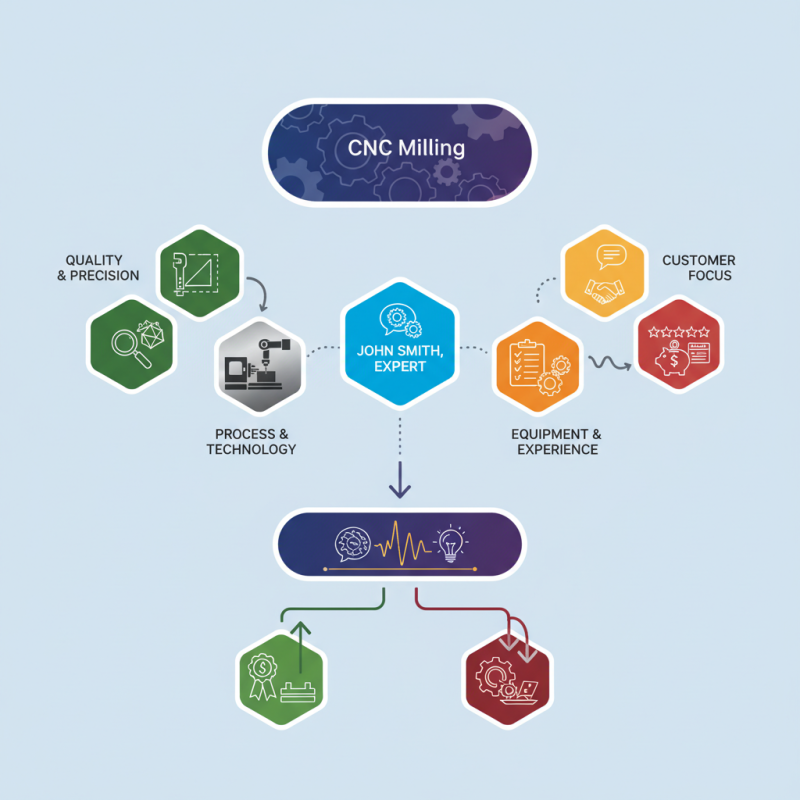
Choosing the right CNC Milling service can seem daunting. With numerous options available, how do you ensure you select the best one? John Smith, a seasoned expert in the CNC milling industry, states, “Quality and precision are paramount in CNC milling services.” His insights reflect the importance of finding a company that prioritizes these attributes.
CNC milling is a complex process that requires skill and advanced technology. It involves removing material from a workpiece to create precise parts. This makes it crucial to evaluate potential service providers carefully. Factors such as equipment, experience, and customer reviews play significant roles in your decision-making. A reliable service should not only possess modern machinery but also demonstrate a track record of completing similar projects successfully.
However, many customers overlook hidden costs or unmet expectations. Miscommunication can lead to delays and unsatisfactory results. Therefore, it’s vital to research thoroughly and ask questions. Understand what services are included and clarify timelines before committing. Reflecting on past experiences can also guide your choice and prevent future mistakes. In CNC milling, informed decisions can lead to remarkable outcomes.
Understanding Your CNC Milling Requirements
When selecting a CNC milling service, understanding your specific requirements is crucial. Begin by defining the materials you plan to use. Different services specialize in various materials, such as metals, plastics, or composites. Consider the tolerances needed for your project. Tighter tolerances often require more specialized equipment and expertise. Be clear about these details when contacting potential services.
Next, think about the complexity of your designs. Are you working with intricate shapes or large components? Some companies excel at detailed work, while others focus on larger, simpler pieces. Review their past projects to see how they handle similar tasks. Communication is also key—ensure they understand your needs. Many services can provide prototypes. This step can help you spot issues early, saving time and costs later. It might reveal some inconsistencies in your design or expectations.
Finally, consider your timeline. Some services may rush through projects, risking quality. Ensure they can meet your deadlines without compromising reliability. Ask about their quality control processes. A company with a solid reputation in quality assurance is often more reliable. This reflection on your needs will lead you to the right CNC milling service.
Evaluating the Expertise and Experience of Service Providers
When evaluating CNC milling service providers, expertise and experience are key factors. Many studies indicate that over 70% of successful projects stem from skilled operators. Experience often translates into efficiency and precision. A proficient service provider will have a proven track record in handling materials like aluminum and titanium, which require specific machining capabilities.
According to a 2022 industry report, companies working with experienced CNC milling specialists saw a 25% reduction in production errors. This emphasizes the importance of selecting a provider who understands the nuances of different materials and processes. Additionally, check for certifications that validate their skills. ISO certifications, for instance, reflect adherence to quality standards, highlighting a commitment to excellence.
It’s essential to consider the technology being used. Advanced CNC machines can improve output quality significantly. However, technology only functions effectively when operated by skilled personnel. Ultimately, the combination of expertise, industry experience, and up-to-date technology can greatly influence the success of your machining projects.
Comparing CNC Milling Technologies and Capabilities
When selecting a CNC milling service, understanding the various technologies available is crucial. A recent industry report from the 2023 CNC Machining Market Analysis highlights three primary milling technologies: traditional, hybrid, and additive. Each method has unique capabilities and operational efficiencies. Traditional milling excels in precision, but hybrid approaches offer flexibility. Additive milling integrates material deposition, which is revolutionary for complex geometries.
Tips: Evaluate the specific requirements of your project. Consider technology that best aligns with your design needs and production volume. Look for services that provide comprehensive data on their machining capabilities.
Quality assurance is essential. Reports show that companies employing rigorous quality standards, such as ISO certification, significantly reduce error rates. Choose a service that demonstrates a commitment to quality through transparent processes. Watch out for providers with vague quality metrics. Solid communication about capabilities is vital for successful outcomes.
In addition, assess the company’s experience with materials relevant to your project. A study by the Manufacturing Institute reported that 65% of businesses faced challenges in material compatibility. Avoid services that lack expertise in your chosen materials. This can lead to inefficiencies or product failures. Seek partners who can demonstrate proven success with your material requirements.
Assessing Quality Control and Precision Standards
When selecting a CNC milling service, quality control and precision standards are paramount. The ability to create accurate parts can significantly impact the success of your project. Look for services that implement rigorous inspection processes. Certifications such as ISO can indicate adherence to high manufacturing standards.
Tips: Inquire about their inspection methods. Are they using advanced measuring tools? The more precise the equipment, the more reliable the output. A good service should be willing to share their quality control processes.
Additionally, consider their experience with similar projects. Each industry has unique specifications that require a tailored approach. Services that understand your requirements can better meet your needs. Don’t hesitate to ask for case studies or references. It’s important to verify their track record.
Tips: Ask about the turnaround times. Sometimes, speed can compromise quality. However, prolonged delays can be a sign of poor organization. Finding a balance between both is essential for project success. Always seek clarity on how they handle mistakes. A company that learns from its errors can improve future performance.
Quality Control and Precision Standards of CNC Milling Services
Reviewing Customer Feedback and Service Reliability
When selecting a CNC milling service, customer feedback plays a crucial role. Reviews provide insight into the reliability of a service. They can reveal how well a company meets deadlines, communicates, and delivers quality products. Reading a mix of positive and negative reviews helps paint a fuller picture.
Service reliability can vary greatly among providers. An impressive portfolio isn't always enough. Some companies may excel in technical capabilities but fall short in customer service. Look for consistent comments about response times and support. Pay attention to red flags in customer experiences, like missed deadlines or unresponsive communication. These could indicate potential problems.
Personal experiences matter too. Discussing your requirements with past customers can shed light on the actual service you might receive. Consider asking for references before making a decision. This approach helps filter out the noise. Ultimately, the goal is to find a service partner that is not only skilled but also committed to your project’s success.

