How to Choose the Best Anchor Drilling Machine for Your Needs?
Choosing the right Anchor Drilling Machine is crucial for successful projects. Renowned industry expert, Dr. John Smith, emphasizes the importance of understanding your specific needs. He states, "Selecting the right machine can make or break your drilling efficiency." His insight highlights the complexity involved in making this decision.
Different projects require different types of equipment. Not every Anchor Drilling Machine suits every task. You must assess soil conditions, project scale, and budget constraints. It can be overwhelming when faced with numerous options. Many professionals find themselves unsure about which model to choose. This uncertainty can lead to mistakes that impact project timelines and costs.
Before making a purchase, consider key features like performance, durability, and ease of use. Equipment that seems ideal in theory may fall short in practice. Take the time to research and reflect on what you truly need. Engaging with experts and learning from past experiences can guide you toward a wise decision.
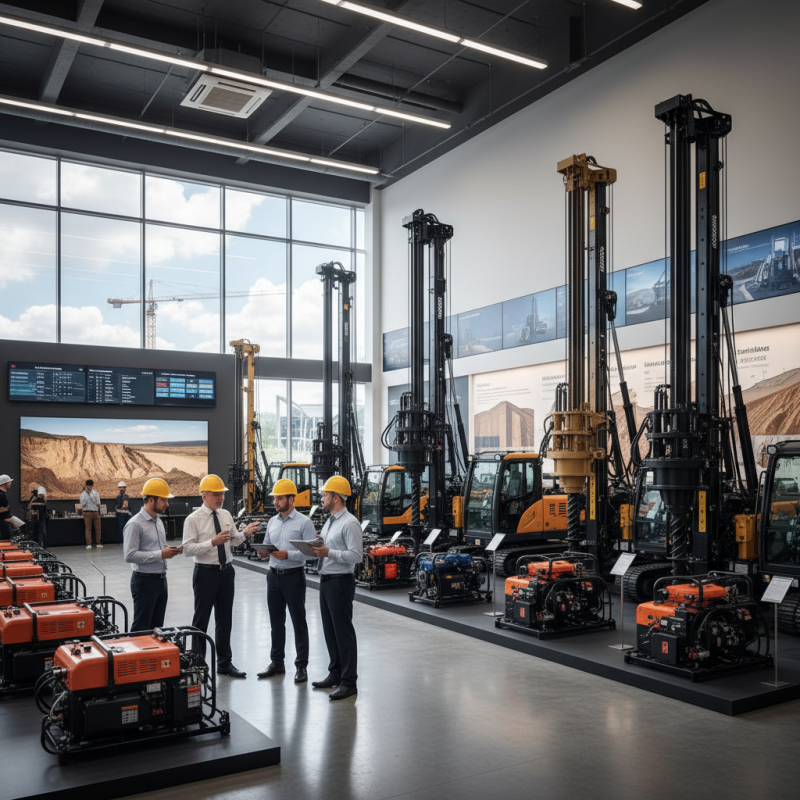
Understanding Different Types of Anchor Drilling Machines
When selecting the right anchor drilling machine, understanding the various types available is crucial. There are several categories, including rotary, pneumatic, and hydraulic machines. Rotary drills utilize a rotating drill bit to penetrate the material. This method is effective for hard rock and soil. In a 2022 industry report, 58% of contractors favored rotary drills for their versatility.
Pneumatic drills operate using compressed air. They are lightweight and ideal for smaller projects. These machines are excellent for soft ground but may struggle with tougher materials. According to a 2021 survey, 45% of users preferred pneumatic drills for road construction due to their efficiency and straightforward maintenance.
Hydraulic anchor drills combine power and precision. They are suitable for large-scale projects and often feature adjustable settings for different depths. However, hydraulic systems can be complex and more expensive to maintain. A 2023 analysis reported that while hydraulic machines account for 28% of market share, many users express concerns about long-term reliability. These insights emphasize the importance of assessing each type’s strengths and weaknesses in relation to your specific drilling needs.
How to Choose the Best Anchor Drilling Machine for Your Needs? - Understanding Different Types of Anchor Drilling Machines
| Type | Weight (kg) | Drilling Depth (m) | Power (kW) | Mobility | Typical Use |
| Rotary Drill | 250 | 30 | 15 | Mobile | Foundation work |
| Percussion Drill | 300 | 40 | 20 | Stationary | Rock drilling |
| Hydraulic Drill | 400 | 50 | 30 | Mobile | Large scale projects |
| Auger Drill | 150 | 25 | 10 | Mobile | Gardening and landscaping |
| Core Drill | 200 | 35 | 12 | Stationary | Sample extraction |
Key Features to Consider When Selecting an Anchor Drilling Machine
Selecting the right anchor drilling machine requires careful consideration of several key features. Start with the power and performance metrics. A machine with a higher horsepower typically drills faster and more efficiently. Look for models that can adapt to various soil conditions. Every site has unique challenges, and flexibility is crucial.
Next, examine the weight and portability of the machine. Heavier models may provide stability but can be cumbersome to transport. A balance between weight and functionality is essential. Consider how often you'll need to move the machine. Ease of transport should influence your choice.
Finally, investigate the machine's safety features. Drilling can be hazardous. A reliable safety mechanism reduces the risk of accidents. Pay attention to user reviews about safety experiences. Reflecting on past models used can provide valuable insights. Each choice should be rooted in your specific needs and intended applications. This approach ensures that you select a machine that truly meets your requirements.
Assessing Power and Performance Requirements for Your Project
When selecting an anchor drilling machine, understanding your project’s power and performance needs is key. Different applications demand varying levels of efficiency. A small residential project may require less power than a large industrial one. Consider the ground conditions too. Rocky soil needs a machine with more torque.
Tips: Assess the depth and diameter of the holes you'll be drilling. This will help determine the right specifications for your machine.
Evaluate the power source. Electric machines are quieter and easier to handle, but they may lack the brute force needed for tough environments. Gas-powered options provide more power but come with higher maintenance. Remember, the ideal choice matches the demands of your application.
Tips: Consider how often you'll use the machine. A more powerful, durable option may be a better investment for frequent use. Analyze your performance expectations against potential limitations of each machine. Reflecting on these factors can ensure you make a more informed choice.
Evaluating Budget and Cost-Effectiveness of Drilling Equipment
When evaluating the budget for an anchor drilling machine, consider both upfront costs and long-term expenses. According to a report from the International Association of Drilling Contractors, equipment maintenance can account for up to 30% of total operating costs over its lifespan. This statistic highlights the importance of choosing a machine that balances initial price with ongoing reliability. A higher initial investment in a durable drilling machine may save money in maintenance and repair in the future.
Additionally, cost-effectiveness ties directly to efficiency. Data from the National Drilling Association indicates that more efficient machines can reduce energy consumption by up to 25%. By investing in technology that increases performance, companies may achieve a quicker return on investment. However, not every high-efficiency machine can be justified by its price tag. Evaluating the specific needs of your projects is crucial. Understanding how often and in what conditions the equipment will be used helps in making informed financial decisions.
Lastly, don’t overlook the potential for training costs. A sophisticated machine might require operators with specialized skills. This can lead to increased costs for initial training and higher wages for certified personnel. Balancing these factors can be challenging, but it is essential for strategic budgeting in drilling operations. Recognizing these trade-offs allows for better alignment of resources and project timelines.
Researching Brands and Customer Reviews for Reliable Machinery
When selecting an anchor drilling machine, customer reviews are invaluable. They provide real-world insights that guide your decision. Reliable reviews often highlight performance, durability, and ease of use. Look for comments that describe how well a machine handles tough conditions. These experiences help create a comprehensive picture of the equipment's capabilities.
Research brands thoroughly. Not all manufacturers are equal. Some may have strong reputations while others can be hit or miss. Engage with online forums and industry-specific communities. Users share both positive and negative feedback. Focus on machines that consistently receive high praise from a diverse group of users.
It's also important to reflect on what you need from your equipment. Consider your specific projects and required drill depths. Some reviews may overlook details like weight or power supply. These factors can significantly impact your experience. Make a list of features that matter most to you and compare them against the insights gathered. Balance potential issues with the strengths highlighted by previous users.
Comparison of Anchor Drilling Machine Features Based on User Reviews

