How to Choose the Best Aerosol Production Line in 2026?
Choosing the right Aerosol Production Line in 2026 requires more than comparing machine prices. Market demand is changing quickly. The European Aerosol Federation (FEA) reported more than five billion aerosol units filled in Europe in recent industry statistics. Grand View Research also identifies steady global growth across personal care, household, healthcare, and industrial aerosol applications. These figures suggest opportunity, but they also increase pressure on productivity, traceability, and waste control.
A suitable line should match the product, container, propellant, batch size, and future capacity plan. It should also support accurate filling, reliable crimping, leak testing, coding, and case packing. Small details matter. A misaligned valve can stop an entire shift. Weak inspection systems can create costly recalls. The best suppliers explain their operating limits clearly. They provide test records, maintenance schedules, spare-parts plans, and operator training. ISO 9001 quality systems and ISO 14001 environmental practices can strengthen supplier evaluation. Compliance with applicable machinery, pressure, electrical, and workplace safety requirements remains essential.
Price alone is a poor guide. It often hides lifecycle costs. Energy use, changeover time, rejected cans, and service response may matter more than the initial quotation. In practice, a line that runs smoothly at 60 cans per minute may outperform a faster system with frequent stoppages. Yet every factory is different. That assumption needs checking. Before selecting equipment, buyers should request a production trial using their actual cans, valves, formulas, and packaging format. A careful decision combines verified data, plant experience, supplier transparency, and realistic growth expectations. That is how a production line becomes a dependable business asset, not merely impressive equipment.
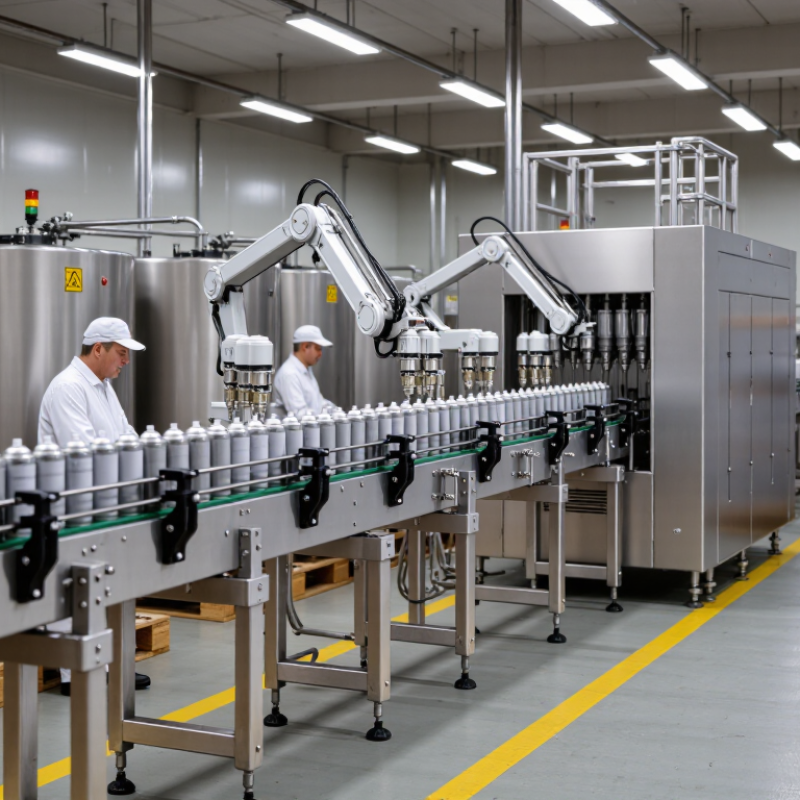
Defining Your Aerosol Production Requirements
Defining your aerosol production requirements starts with the product, not the machine. Record the formula’s viscosity, fill weight, propellant type, container diameter, valve design, and target output. According to the European Aerosol Federation’s 2024 industry statistics, European plants filled approximately 5.6 billion aerosol units in 2023. That volume shows the market’s scale, but it does not define your line. A small personal-care facility may need flexible changeovers, while a high-volume household facility may prioritize speed and automated inspection.
Measure the real production conditions. Check available floor space, compressed-air quality, electrical capacity, ventilation, and operator skills. Then calculate output from actual working hours, not theoretical speed. A line rated at 120 cans per minute may deliver less after cleaning, format changes, testing, and minor stops.
PMMI’s 2024 packaging automation research continues to identify labor shortages and data visibility as important investment drivers. Therefore, include recipe control, reject tracking, leak testing, and batch records in the specification. These features can feel expensive before installation. They often become costly to add later.
Tip: Request a factory acceptance test using your containers and formulations. Measure fill accuracy, crimp quality, changeover time, and reject rates. Keep the results.
One requirement is easy to overlook: future products. I have seen efficient lines become restrictive because one valve format was assumed to fit everything. Build flexibility into the plan, but do not overbuy capacity without confirmed demand.
Comparing Aerosol Line Configurations and Technologies
Choosing an aerosol line in 2026 starts with configuration, not machine speed. A monobloc line integrates can feeding, filling, crimping, leak testing, and packing. It reduces transfers and floor space, but one fault can stop everything. A modular line separates stations, making maintenance easier and future upgrades less disruptive. According to the European Aerosol Federation’s 2023 statistics, European factories produced more than five billion aerosol units. That volume rewards stable automation, not impressive brochures.
Compare technologies against product behavior. Liquefied-propellant systems suit many conventional sprays, while bag-on-valve lines support different formulations and dispensing patterns. Pressure-sensitive dosing and valve-crimp control need repeatable sensors. Compressed-air systems can reduce propellant dependence, but they demand stronger pressure management and different filling logic. Grand View Research estimated the global aerosol dispensers market at about 11 billion dollars in 2023, with continued growth expected through 2030. Market growth increases the value of flexible changeovers. It does not justify buying every option.
A practical audit should measure changeover minutes, reject rates, compressed-air use, and operator access. Ask for factory acceptance tests using the actual can, valve, formulation, and pack size. Check guarding, ventilation, risk controls, and documentation against applicable local standards. ISO 12100 risk-assessment principles and ISO 9001 quality controls provide useful references. In production audits, the fastest line is not always the best line. A modest filler with accurate crimping may outperform a high-speed system that creates leaks. Leave room for doubt. Data should decide.
Evaluating Capacity, Compatibility, and Automation
Choosing an aerosol production line in 2026 requires more than comparing hourly output. Capacity must match demand, container size, formula behavior, and planned shifts. A line rated at 120 cans per minute may slow during changeovers. Ask for tested output using your actual valves, cans, and filling settings. Request production data, not optimistic estimates. Test before scaling. Small assumptions can create expensive bottlenecks.
Compatibility begins with product contact materials and ends with package integrity. Check whether pumps, gaskets, dosing systems, and sensors suit the formulation. Viscosity, pressure, and particle sensitivity can affect equipment selection. The line should handle multiple formats without unsafe manual adjustments. Confirm crimping accuracy, leak testing, coding, and reject handling during trials. A missed compatibility test can damage schedules and credibility.
Automation should improve control, not merely add screens and robots. Look for recipe management, closed-loop filling, fault alerts, and traceable batch records. Operators still need clear access, practical training, and safe maintenance points. Examine recovery after a sensor failure, because perfect production rarely exists. Some systems automate quickly but explain faults poorly. That weakness deserves attention before purchase. Reliable data visibility supports quality decisions, regulatory documentation, and continuous improvement.
Calculating Investment, Operating Costs, and Long-Term Value
How to Choose the Best Aerosol Production Line in 2026?
A serious investment starts with production data, not machine speed. Estimate annual demand, product formats, batch sizes, and planned operating shifts. A line producing 120 units per minute may appear efficient, but frequent changeovers can reduce real output. The first estimate is often wrong.
Calculate total investment beyond the equipment price. Include installation, factory modifications, electrical work, staff training, testing, and spare parts. For operating costs, measure labor, electricity, compressed air, maintenance, packaging waste, and cleaning time. A simple model can compare cost per finished unit. For example, divide annual fixed and variable costs by saleable output, not theoretical capacity. That distinction matters.
Long-term value depends on reliability and controlled flexibility. Review fill accuracy, safety systems, access for maintenance, documentation, and supplier response times. Ask for evidence from comparable production environments, such as downtime records and changeover results. A two-hour repair may cost more than a higher purchase price. Compliance requirements should also be checked before ordering, because late modifications can disrupt the entire schedule.
Do not ignore human factors. Operators need clear controls and safe access. Poor ergonomics create hidden costs. I would also test the financial model with lower demand, higher utility prices, and unexpected downtime. It may feel pessimistic, but resilient planning is more useful than a perfect spreadsheet.
How to Choose the Best Aerosol Production Line in 2026?
Ten-year ownership cost comparison for three production-scale scenarios. Values are shown in USD millions and include equipment, installation, energy, labor, and maintenance.
Planning basis: 300 operating days per year, two shifts per day, industrial electricity at $0.10/kWh, loaded labor at $30/hour, and a ten-year evaluation period. The high-throughput line requires more capital but reduces labor cost per unit, while the compact line has the lowest entry cost and the highest labor share.

