How to Choose the Right Solar Panel Connectors for Your Project?
Choosing the right Solar Panel Connectors is essential for any solar project. These connectors play a crucial role in ensuring system efficiency and safety. According to the Solar Energy Industries Association (SEIA), improper connections can lead to system failures and costly repairs. Industry experts, like Dr. Alice Larson, emphasize that "the reliability of solar panel connectors can dramatically influence energy output."
In 2022, the global solar connector market reached approximately $1.5 billion, with an expected growth rate of about 12% annually. This surge highlights the increasing importance of selecting the correct type of connectors for various applications. Different connectors serve different environmental conditions and energy needs. Understanding these variations is key.
However, not every project requires the same type of connector. A common mistake is assuming that all connectors are alike. For instance, using connectors not rated for outdoor conditions can result in decreased performance and durability. As the solar industry evolves, so do the standards and technologies surrounding solar panel connectors. Careful selection is not just a recommendation; it's a necessity for maximizing project success.
Understanding Different Types of Solar Panel Connectors Available
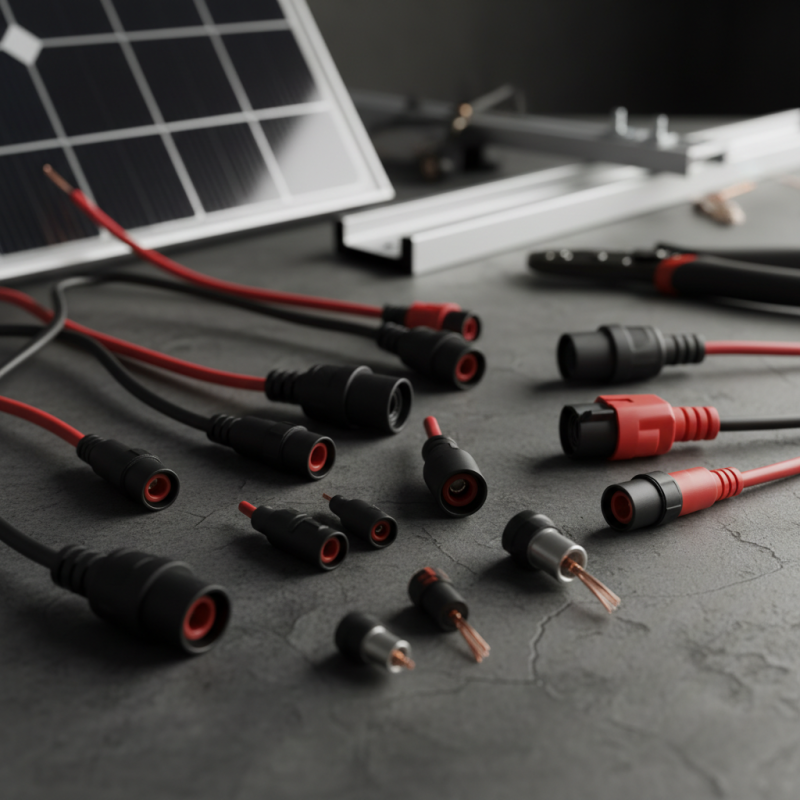
When selecting solar panel connectors, understanding the types available can significantly impact performance and safety. There are several key types, including MC4, TYCO, and Amphenol connectors. MC4 connectors are among the most widely used in the industry, accounting for over 85% of the global market. Their design ensures secure connections and ease of installation.
The choice of connectors must also consider factors such as environmental exposure and electrical performance. Some connectors are better suited for harsh climates, while others focus on efficiency at lower costs. Reports indicate that a poor choice of connectors can lead to a decrease in system efficiency by up to 10%. Attention to details like voltage ratings and temperature limits is crucial.
A thorough assessment of current and future needs is essential. For instance, modular systems may benefit from adaptable connectors, allowing for easy expansion. In contrast, fixed installations might prioritize durability over flexibility. Assessing these factors can be daunting yet necessary for ensuring project longevity and efficiency.
Evaluating Electrical Ratings and Compatibility for Your Solar System
When selecting solar panel connectors, electrical ratings and compatibility are crucial. These factors ensure your solar system operates efficiently and safely. Each connector type has a specific voltage rating and current capacity. You should match these ratings with your solar panels’ specifications. Inadequate ratings can lead to overheating or equipment failures.
Compatibility also plays a vital role. Connectors need to fit existing wiring and components seamlessly. Consider different connector designs available, including MC4 and others. Not all connectors play well together, so you may face challenges in installations. Always verify specifications and user manuals before purchase.
You might find it tempting to choose based solely on price. However, this approach can backfire. Cheap options may not meet necessary quality standards. These lower costs could lead to higher long-term expenses. Reflect carefully before making a decision. Look for the right balance between cost, safety, and performance. Only then can your solar project thrive.
Assessing Environmental Factors Affecting Connector Performance
When selecting solar panel connectors, environmental factors are crucial. Temperature fluctuations, humidity, and UV exposure can dramatically influence connector performance. According to the Solar Energy Industries Association (SEIA), connectors can experience significant wear. Improper selection may lead to increased failure rates.
Temperature extremes can cause thermal expansion in connectors, leading to brittle fractures. A study by the National Renewable Energy Laboratory (NREL) found that connectors exposed to high temperatures experienced up to a 30% decrease in lifespan. Humidity levels also play a role. High humidity can promote corrosion, especially in metallic components.
Tips: Choose connectors with high UV resistance and weatherproof ratings. Ensure compatibility with varying temperatures. Regular maintenance checks on connectors can prevent issues. Additionally, reviewing product specifications helps in selecting quality materials. Be wary of low-cost options, as they may not withstand environmental stressors. Prioritize connectors with proven reliability data, as this can save costs in the long run.
Selecting the Right Tools for Proper Connector Installation
Selecting the right tools for solar panel connector installation is crucial for optimizing system performance. The right tools ensure a secure and efficient connection. A study from the National Renewable Energy Laboratory (NREL) indicates that improper installation can reduce system efficiency by up to 10%. Therefore, investing in quality tools matters.
When selecting tools, focus on reliability and precision. Wire strippers, crimping tools, and multimeters are essential. According to a report from SolarPower Europe, proper crimping technique can enhance connection integrity by 20%. A poorly crimped connector can lead to voltage drops and potential failure. It’s vital to practice crimping on scrap pieces before working on actual connections.
Additionally, consider the environmental factors your project will face. Tools should be versatile and robust enough to withstand different conditions. Weather-resilient tools prevent connector degradation. But many installers overlook the importance of regular tool maintenance. Using worn or rusty tools can adversely affect installation quality. Proper care not only extends tool life but also safeguards your solar system’s performance.
Solar Panel Connector Types and Their Usage
Best Practices for Maintaining Solar Panel Connectors Over Time
Maintaining solar panel connectors is essential for optimal performance. Regular inspections can prevent issues from escalating. Check for signs of wear, corrosion, and loose connections. These minor problems can lead to larger failures, affecting energy output. Remember to clean connectors gently. Dust and grime can hinder conductivity, reducing efficiency.
Ensure that you protect connectors from extreme weather. UV exposure can degrade materials over time. It might seem trivial to overlook this, but harsh conditions can cause significant damage. Consider using protective housing or covers. This small step can greatly extend the lifespan.
Record maintenance activities for better tracking. It’s easy to forget when inspections were last done. A simple log can help identify patterns over time. Be open to adjusting your maintenance routine as necessary. Reflect on what works and what doesn’t. Keeping connectors in excellent condition takes effort, but it's worth it in the long run.

