How to Choose Aluminum Precision Parts Suppliers in 2026?
Choosing an Aluminum Precision Parts supplier in 2026 is not just a price comparison. A low quote can hide limited process control, unclear material sourcing, or inspection gaps. W. Edwards Deming, a leading quality-management expert, is widely credited with the principle, “Quality is everyone’s responsibility.” For precision components, that means checking how quality is built into production—not only how finished parts are inspected.
Ask suppliers for details you can verify. Which aluminum alloys do they machine? How do they control critical dimensions? Can they provide material traceability, inspection records, and a first-article report? A capable partner should explain its measurement methods, such as CMM inspection, and show how it handles revisions and nonconforming parts. Look beyond polished brochures. Request a sample run, review the actual reports, and ask who will resolve a dimensional issue at 4 p.m. on a Friday.
Capacity matters, too. A supplier may produce a clean prototype but struggle to hold tolerances across a larger run. Visit the facility when possible, or request a live process review. Look for organized work areas, maintained machines, and clear inspection steps. Not every buyer can audit every detail. That is a real limitation. Still, documented evidence beats confident promises. This guide outlines practical criteria for comparing suppliers, assessing technical fit, and spotting risks before they affect cost, lead time, or part performance.
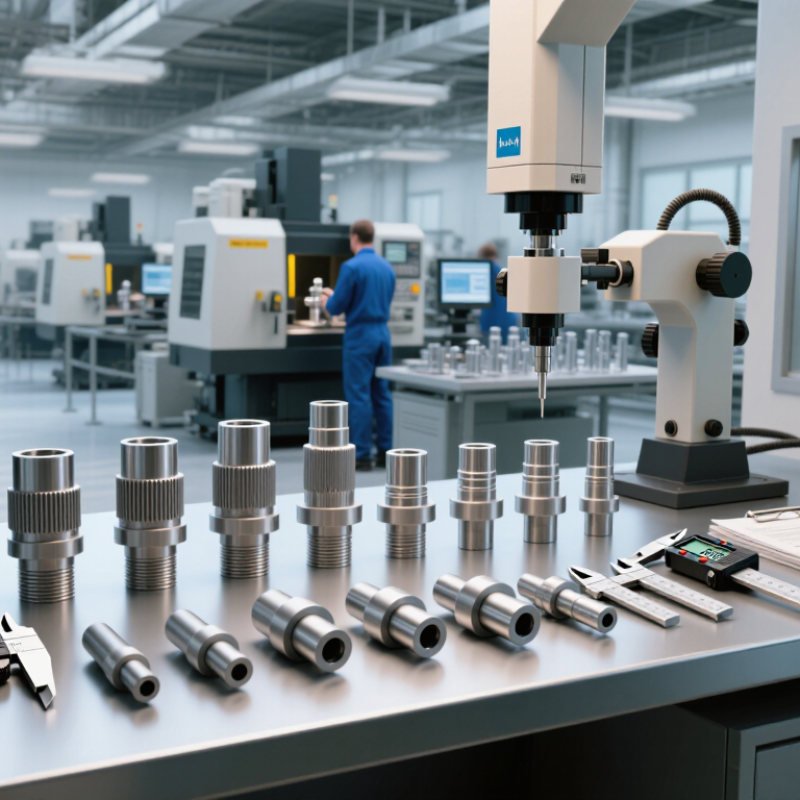
Define Your Aluminum Part Requirements and Quality Standards
Before requesting quotes, define how the aluminum part will work in its actual assembly. Specify the alloy and temper, operating loads, temperature range, and exposure to moisture or chemicals. A bracket used indoors may need different corrosion protection from a component mounted outdoors. Include annual volume and expected production changes, too. Small details matter.
Make the drawing measurable. Identify datum surfaces, critical dimensions, tolerances, thread details, and required surface finish. If a dimension is flexible, say so; excessively tight tolerances can add machining time without improving function. Not every feature needs the same precision. That can be hard to decide, so review the drawing with the design and manufacturing teams before sending it to suppliers.
Set quality requirements before comparing supplier capabilities. Ask how critical dimensions are inspected, which measuring equipment is used, and whether inspection records can be provided with each lot. Define acceptance criteria for cosmetic defects, burrs, and finish variation using clear examples or reference samples. For a new part, a first-article inspection can reveal mismatched assumptions before full production. Keep the requirements practical: a detailed specification helps, but an unclear one can create disputes even when both sides are careful.
Verify Supplier Capabilities, Equipment, and Technical Expertise
Choosing an aluminum precision-parts supplier means checking more than machine counts. Ask which alloys and tempers the shop regularly machines, and whether its equipment suits your part geometry. A thin-walled housing may need different fixturing from a solid mounting block. Request sample inspection reports showing actual dimensions, tolerances, and measurement methods. Ask how operators control burrs, tool wear, and distortion. Ask to see evidence.
Equipment matters, but technical judgment matters too. Check whether the supplier uses calibrated CMMs, optical comparators, or suitable gauges for your drawing. Ask who reviews complex tolerances and how inspection results are recorded. Deloitte and the Manufacturing Institute’s 2024 workforce study projected 3.8 million manufacturing jobs would be needed in the United States by 2033, with up to 1.9 million potentially unfilled. That makes it sensible to verify machinists’ experience, not just the company’s certifications.
A useful audit includes a recent first-article inspection report and a walkthrough of the machining and inspection areas. Confirm that the supplier can explain how it would hold a critical bore or thin wall through finishing. ISO 9001 certification can indicate a documented quality system; it does not prove a specific part will meet your print. Not just a brochure. Even capable shops have weak spots, and a supplier may not have run your exact alloy before. Ask how it will test its process before production.
Assess Quality Systems, Certifications, and Inspection Methods
When evaluating aluminum precision-parts suppliers in 2026, look beyond certificates. Ask for a current quality-system certificate and confirm that its scope covers the actual production site and machining processes. A certificate is useful evidence, not a guarantee. Check how the supplier controls alloy certificates, material identification, and revisions to your drawings. Small traceability gaps can make a defect harder to investigate.
Inspection methods should match the part’s risks and tolerances. Ask whether operators use calibrated micrometers, height gauges, or a coordinate measuring machine for critical features. For a tightly toleranced bore, request the measurement method and a sample inspection report, not just a pass result. Surface finish and burrs deserve attention too. They can affect fit even when dimensions look correct. Ask how inspection frequency is set and what happens when a measurement falls outside limits.
Look for clear procedures for calibration, nonconforming parts, corrective actions, and first-article approval. If available, review anonymized records from a similar component. A factory visit can reveal practical details: labeled material racks, controlled measuring tools, and work instructions near machines. Still, one audit is only a snapshot. I would not assume a tidy inspection room means every shift follows the same process. Ask how results are reviewed across shifts, and who can stop a batch when something seems wrong.
Compare Costs, Lead Times, Communication, and Supply Chain Resilience
Choosing an aluminum precision-parts supplier in 2026 requires more than comparing unit prices. Request itemized quotes covering material, machining, finishing, inspection, packaging, and shipping. Check whether each quote uses the same drawing revision and tolerance requirements. A low quote can still be a poor deal if it excludes first-article inspection or protective packaging.
Compare lead times from order confirmation to approved first article, then to repeat production. Ask suppliers to identify capacity limits, material sources, and backup processes. McKinsey’s 2020 report, Risk, Resilience, and Rebalancing in Global Value Chains, found that supply chain disruptions lasting a month or longer occur about every 3.7 years on average. That makes resilience measurable: review safety stock, alternate material sources, and recovery plans. Test communication, too. Send a technical question and note how clearly the supplier responds, including any uncertainty. Fast replies matter, but accurate answers matter more.
Tips: Ask for a sample inspection report, a realistic delivery schedule, and written notice procedures for delays. Check details. I would not rely on a polished presentation alone; a supplier’s process should be visible in its records and shop-floor controls.
Validate Shortlisted Suppliers With Samples and a Structured Audit
Before awarding a production order, request samples made on the supplier’s normal machines, tooling, and inspection routine. Check critical dimensions against the drawing, then inspect burrs, flatness, thread quality, and surface finish under consistent lighting. For anodized parts, record coating thickness at several locations. Keep the inspection results with the sample; a “pass” without measurements is hard to verify. Numbers can mislead. One sample may hide process variation, so ask for parts from separate runs when timing allows.
Use a structured audit to review material certificates, lot traceability, calibrated gauges, operator training, control plans, and corrective-action records. ISO’s 2023 Survey counted more than 1.4 million ISO 9001 certificates worldwide, but certification alone does not prove a shop can hold your tolerances. Deloitte and The Manufacturing Institute’s 2024 workforce study projected that up to 1.9 million U.S. manufacturing jobs could go unfilled by 2033. That makes training records and backup coverage worth checking, not just asking about. I would also observe an actual setup and compare the operator’s readings with the inspection report. A polished audit sheet can still miss a loose fixture or a rushed measurement. Leave room for judgment: a supplier may need time to locate older records, but repeated gaps deserve a clear corrective-action deadline.
How to Choose Aluminum Precision Parts Suppliers in 2026?
Validate Shortlisted Suppliers With Samples and a Structured Audit
Illustrative scores only—not industry benchmarks or results from actual suppliers. Use sample inspections to verify drawing dimensions and surface finish, and a structured audit to check material traceability, process controls, calibration records, and corrective-action practices. Set acceptance criteria before comparing suppliers.

