Why Choose Valve Test Fittings for Your Industrial Needs?
In today's industrial landscape, the choice of equipment can significantly impact operational efficiency. An essential component that often gets overlooked is Valve Test Fittings. These fittings are crucial for ensuring the integrity of piping systems and preventing costly leaks. According to Dr. Emily Carter, an expert in industrial fluid systems, "Reliable valve test fittings ensure safety and efficiency in every application."
Valve Test Fittings not only enhance performance but also promote safety in various sectors. Industries such as oil and gas, manufacturing, and chemical processing rely heavily on these fittings. Choosing the right fittings can sometimes feel overwhelming, given the many options available. However, the consequences of poor selection can lead to hazardous situations and operational disruptions.
It's important to consider not just the immediate benefits but also the long-term impacts of these fittings. Investing in high-quality Valve Test Fittings may seem costly, yet they provide significant value over time. Ensuring proper application and installation can make a notable difference. So, while the market offers many choices, careful considerations are essential to avoid potential pitfalls.
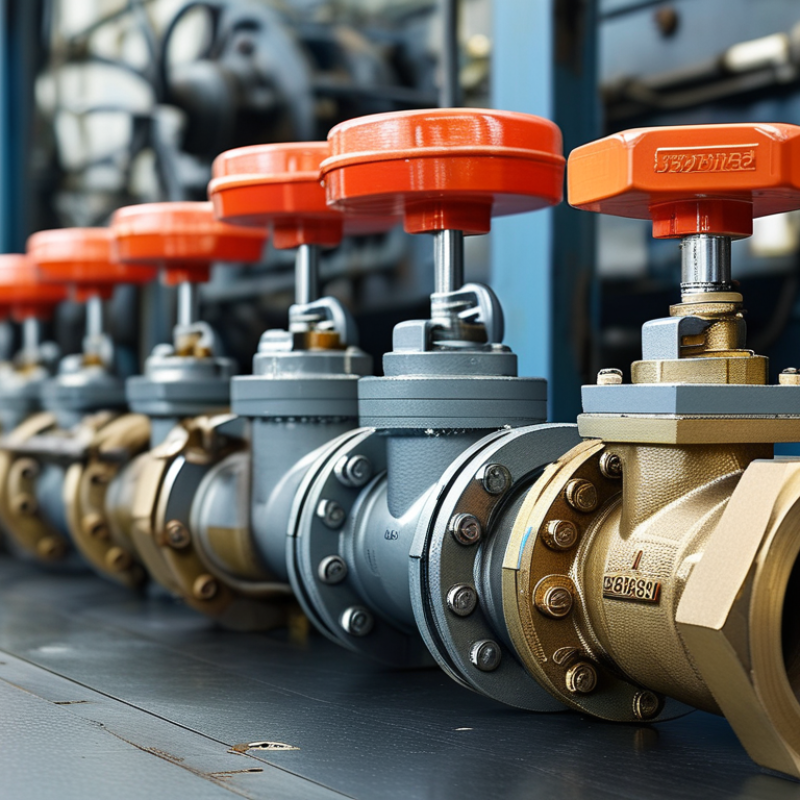
Importance of Valve Test Fittings in Industrial Applications
Valve test fittings play a crucial role in various industrial applications. These fittings are designed to provide safe and efficient testing of valves and pipelines. Their importance cannot be overstated, especially in maintaining operational integrity. Regular testing ensures systems function properly. In industries like oil, gas, and water, the stakes are high. A minor leak can lead to significant losses.
Using valve test fittings helps identify issues early. This proactive approach can prevent major accidents. Reliable fittings reduce the risk of environmental hazards. They are instrumental in meeting safety standards. Many industries rely on them to avoid costly downtimes. However, not all fittings are created equal. Choosing the right materials and designs is vital. Improper selections can lead to failures.
Experience suggests that frequent inspections are essential. Even the best systems may face challenges. Weather conditions and wear can impact performance. Therefore, it’s critical to invest in quality fittings. An imperfect choice can cause delays in production. Reflecting on past incidents can provide valuable insights. Continuous improvement is key to maintaining safety and efficiency in the long run.
Key Features of Reliable Valve Test Fittings
Choosing the right valve test fittings is crucial for industrial applications. Reliable valve test fittings offer several key features that enhance performance. First, they provide precise control over pressure and flow. This precision ensures the safety of the entire system, making it easier to identify issues.
Another important feature is durability. High-quality materials withstand extreme conditions. Resistant to corrosion and wear, these fittings last longer. This reduces the need for frequent replacements and maintenance, saving time and costs.
Ease of installation is also significant. Reliable valve test fittings typically have straightforward designs. However, improper installation can lead to leaks or malfunctions. Users should carefully follow guidelines. Understanding these features helps in making informed choices that improve overall efficiency.
Why Choose Valve Test Fittings for Your Industrial Needs? - Key Features of Reliable Valve Test Fittings
| Feature | Description | Benefits |
| Durability | Manufactured from high-quality materials that withstand harsh conditions. | Longer lifespan and reduced maintenance costs. |
| Pressure Ratings | Available in various pressure ratings to suit different applications. | Ensures safety and compliance in high-pressure environments. |
| Ease of Use | Designed for quick installation and user-friendly operation. | Saves time and labor during setup and testing. |
| Leak Tightness | Advanced sealing technologies prevent leaks. | Increases reliability and safety during operations. |
| Versatility | Suitable for various fluids and gases in diverse industries. | Adapts to multiple applications, reducing inventory needs. |
Benefits of Using Valve Test Fittings Over Alternative Solutions
Valve test fittings are crucial for industrial testing and maintenance. They provide a reliable method for checking system integrity. These fittings enhance safety and efficiency across various applications. Traditional alternatives often fail to offer the same level of precision. In industries where every detail matters, accuracy is non-negotiable.
One significant benefit of valve test fittings is their ease of use. They simplify the process of pressure testing, which can save time and resources. Operators can quickly connect and disconnect without unnecessary complications. Additionally, they reduce the risk of leaks during testing, which is a common issue with older connectors. Yet, it’s essential to regularly inspect these fittings. Wear and tear can affect performance, leading to inconsistent results.
Moreover, valve test fittings are designed to withstand harsh environments. Temperature and pressure changes are common in industrial settings. Many alternatives may not hold up under these conditions, risking system failure. However, maintenance practices must keep pace with usage. Overlooking periodic assessments can diminish the effectiveness of even the best fittings. Balancing reliability with ongoing evaluation is key to achieving optimal results.
Best Practices for Selecting and Maintaining Valve Test Fittings
When selecting valve test fittings, specific considerations can enhance performance and safety. Ensure that the fittings match the size and pressure requirements of your system. Incorrect sizing can lead to leaks or equipment failure, which may cause costly downtime. Understanding material compatibility is crucial. Different environments may require specialized materials to resist corrosion or extreme temperatures.
Regular maintenance practices are vital to keep valve test fittings in optimal condition. Inspect for signs of wear or damage. Even small defects can escalate into major issues. It's beneficial to establish a routine check schedule. Documentation of these inspections helps in tracking performance and identifying recurring issues.
In experiences observed, professionals sometimes overlook the importance of training. Ensure that all personnel handling fittings are well-trained. Lack of knowledge may result in improper installation or operation. Regular training sessions can help mitigate these risks. Balancing quality and cost-effectiveness remains challenging, but prioritizing quality generally pays off in the long run.
Common Industries That Rely on Valve Test Fittings
Industries utilizing valve test fittings span many sectors. In manufacturing, these fittings ensure the integrity of fluid systems. They facilitate pressure testing and leak detection, vital for operational efficiency. The aerospace sector also relies on these devices. They help verify the safety and reliability of aircraft components. Engineers use valve test fittings for precision and accuracy in high-stakes environments.
Furthermore, the oil and gas industry significantly benefits from valve test fittings. These devices help maintain pipeline safety and operational stability. They are essential for pressure testing new installations. Their reliability directly impacts environmental safety and compliance. In the pharmaceutical industry, these fittings ensure that products maintain purity and safety during production. Compliance with strict regulations mandates regular testing and monitoring, making valve test fittings indispensable.
While many acknowledge the importance of valve test fittings, some may overlook proper maintenance. Neglecting regular inspections can lead to failures and costly consequences. Ensuring that these fittings are in optimal condition requires dedicated attention. Industries must prioritize comprehensive training and stringent protocols to avoid risks. The value of these fittings becomes undeniable when failures are prevented through diligent care and inspection.

