China Best Check Valve Manufacturers and Suppliers?
China Best Check Valve Manufacturers and Suppliers is not a label that should be accepted without verification. Reliable sourcing requires more than comparing prices or viewing polished factory photographs. Check valves must control reverse flow consistently in water systems, oil pipelines, chemical plants, and industrial equipment. Their performance depends on pressure class, fluid temperature, body material, sealing design, and installation direction.
Jon F. Monsen, a recognized valve engineer and author, offers a practical principle: “Select the valve for the service, not just the line size.” This advice remains highly relevant when evaluating Chinese manufacturers and suppliers. A suitable supplier should provide clear technical drawings, material certificates, pressure-test records, and traceable production information. Factory experience also matters. Ask whether the company manufactures swing, wafer, lift, piston, or dual-plate check valves in-house. Confirm whether testing follows recognized standards, such as API, ASME, or relevant ISO requirements.
A trustworthy review should examine more than product catalogs. It should consider machining accuracy, seat quality, coating consistency, packaging, delivery records, and technical support. Real customer references can reveal problems that advertisements hide. Factory audits may expose weak inspection processes. No supplier is perfect. Even experienced manufacturers can face delays, casting defects, or communication gaps. That deserves honest attention.
This guide compares China’s leading check valve manufacturers and suppliers through practical selection criteria. It focuses on engineering capability, quality control, customization, certifications, export experience, and after-sales reliability. The final choice should match the application, not merely the lowest quotation. Safety and long-term performance deserve greater weight.
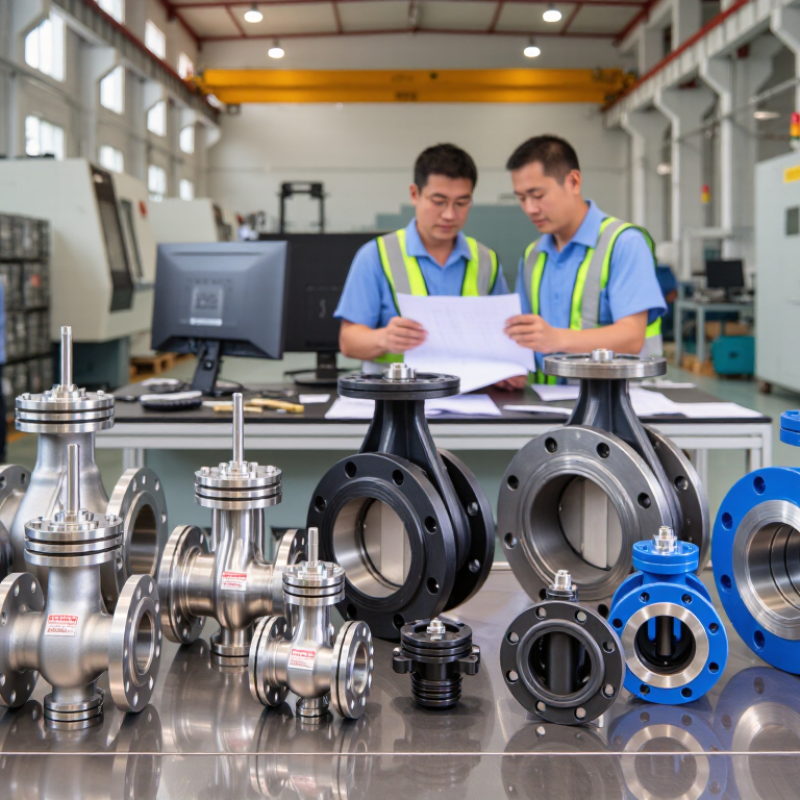
Types and Applications of Check Valves in China
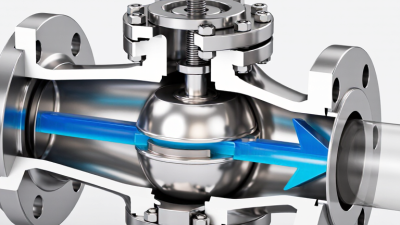
China’s best check valve suppliers should be judged by application evidence, not catalog variety. Swing check valves suit larger water pipelines and moderate flow changes. Lift check valves provide reliable sealing in compact, high-pressure systems. Wafer and dual-plate designs reduce face-to-face length, which helps crowded pump rooms. Ball check valves handle wastewater with suspended solids, while silent check valves limit water hammer near pumps.
China’s Water Resources Bulletin 2023 reported national water use of about 590.7 billion cubic meters.
Agriculture consumed the largest share, but municipal and industrial systems also require dependable backflow protection. Treatment plants commonly use resilient-seated valves on inlet lines, stainless steel units in corrosive dosing areas, and coated cast-iron valves for general water service. Power, chemical, mining, HVAC, and fire-protection projects need different pressure ratings and materials. One selection rarely fits every pipeline.
Technical review should compare pressure class, temperature range, cracking pressure, flow direction, disc travel, and test records. Applicable GB/T, ISO, API, or ASME requirements must be verified for each project. The International Energy Agency’s World Energy Outlook 2024 also shows China remaining central to global energy investment, supporting continued demand for industrial fluid-control equipment. Yet supplier claims can be incomplete. Ask for traceable material certificates, hydrostatic results, fatigue evidence, and installation references. The cheapest valve can become the costliest after repeated slam, leakage, or shutdowns.
Key Criteria for Evaluating Chinese Check Valve Manufacturers
China Best Check Valve Manufacturers and Suppliers?
When evaluating Chinese check valve manufacturers, begin with evidence, not catalog photographs. MarketsandMarkets’ 2024 Industrial Valves Market report estimates the sector at about US$77.6 billion in 2023, with continued growth through 2028. This expansion increases supplier choice, but also increases quality variation.
Request material certificates, heat numbers, pressure ratings, and dimensional drawings. Confirm whether stainless steel, carbon steel, or alloy components match the specification. A reliable supplier should explain its inspection process clearly.
Testing deserves close attention. Ask for hydrostatic and seat-leakage records based on applicable standards, such as API 598 or ISO 5208. During a factory audit, inspect machining surfaces, hinge pins, springs, and seat alignment. Small burrs can affect closing performance.
Review calibration certificates for pressure gauges and test benches. Production capacity matters, but documented process control matters more. A supplier claiming high output should show batch records, rejection rates, and corrective-action reports.
I have learned that a polished showroom proves very little. The less impressive inspection room may contain better evidence. Check traceability from raw material receipt to final packing. Evaluate response time, spare-part support, warranty language, and export packaging.
Do not rely on one sample alone. Repeat testing on different production batches. Some reports are incomplete. That is a warning, not a minor inconvenience. Geological, temperature, and flow conditions should also guide the final valve selection.
Leading Manufacturing Regions and Supplier Capabilities
China’s check valve industry is concentrated in several manufacturing regions, each with different strengths.
Zhejiang is known for compact valves, precision machining, and flexible production for industrial buyers. Jiangsu and Shanghai support larger engineered projects, offering stronger design resources, automation, and laboratory testing. Hebei and nearby northern areas often focus on cast steel valves, large sizes, and heavy-duty applications.
Capabilities vary more than regional labels suggest.
Experienced suppliers can produce swing, lift, wafer, and dual-plate check valves in stainless steel, carbon steel, alloy steel, or ductile iron. They should control casting quality, sealing surfaces, spring performance, and machining tolerances. A reliable factory can provide pressure-test records, material certificates, dimensional reports, and traceable batch numbers.
Testing details matter.
In practical sourcing, a supplier’s workshop often reveals more than its catalog.
Look for calibrated test benches, clean assembly areas, and inspection points beside machining equipment. Ask how the factory handles leakage, water hammer, and emergency replacement parts. Some manufacturers offer attractive prices but lack stable quality control. That weakness deserves attention. Regional reputation is only a starting point; verified production records, engineering communication, and consistent pre-shipment inspection create greater confidence. Suppliers should also explain realistic lead times instead of promising every requirement without review.
Quality Standards, Certifications, and Product Testing
When evaluating China’s best check valve manufacturers and suppliers, quality evidence matters more than catalogue size.
MarketsandMarkets projects the industrial valves market to reach about USD 97 billion by 2028, increasing pressure on suppliers to prove reliability. Buyers should request documented compliance with
ISO 5208,
API 598,
ASME B16.34,
or applicable
GB/T standards.
These references define pressure testing, leakage limits, materials, and inspection methods.
A qualified factory should provide heat numbers, material certificates, dimensional reports, and calibrated test records.
Pressure tests should use clean water, controlled duration, and traceable gauges. Inspectors should check body integrity, disc movement, hinge wear, and seat leakage. For corrosive service, chemical composition and hardness results deserve close attention.
Small details matter.
ISO 9001 certification supports process control, but it does not guarantee every valve performs well.
Certificates can age. I would also verify the certification body and audit scope. A 2023 industry survey from the International Organization for Standardization recorded millions of valid management-system certificates worldwide, yet certification alone cannot replace product testing. Third-party witnessing can add confidence, especially for large orders. Still, sampling plans may hide inconsistent batches.
Ask for recent failure data, not only perfect test sheets.
A practical supplier should explain rejected units openly and show how corrective actions were implemented.
How to Select the Right Chinese Check Valve Supplier
Selecting the right Chinese check valve supplier requires more than comparing quotations. According to Grand View Research’s 2024 industrial valves report, the global market was valued at about USD 78 billion in 2023. This growth increases supplier choice, but also increases quality variation. Start with the valve’s service conditions: media, pressure, temperature, flow direction, and installation position. A supplier should recommend a suitable swing, lift, or wafer design with clear reasoning.
Request material certificates, pressure-test records, dimensional drawings, and traceability documents for each batch. ISO 5208 defines leakage-rate testing for industrial valves, while API 598 provides widely used inspection and pressure-test practices. Ask whether testing is performed on every valve or only on samples. That difference matters. Photos of test benches help, but witnessed testing is stronger evidence. Check casting quality around the hinge, disc, seat, and flange faces. Small surface defects can become expensive failures.
Audit the factory, remotely or in person. Review machining equipment, calibration records, nonconformance handling, and final inspection procedures. The supplier should explain production capacity using actual monthly figures, not vague claims. Compare lead times against documented purchase records. Also confirm packaging for long-distance transport, especially protection for stainless-steel sealing surfaces. A low price may hide thinner bodies, weaker springs, or incomplete testing. I have found that a polished sample can mislead buyers. Approve a production sample, then inspect the first shipment against it. Leave room for doubt. Reliable sourcing depends on evidence, repeated checks, and written technical communication.