Best Trailer Tanker Models for Efficient Transport Solutions?
In the logistics industry, the efficiency of transport solutions hinges significantly on the choice of equipment. One such vital piece of equipment is the Trailer Tanker. These tankers are specially designed for transporting liquids and gases, offering versatility and reliability. Selecting the right model can enhance operational efficiency and ensure safety during transport.
The market provides a variety of Trailer Tanker models, each with unique features. Some excel in capacity while others prioritize maneuverability. Materials used in construction also vary, affecting durability and weight. Understanding these differences is key to making an informed decision. It's essential to balance your specific needs with what each model offers.
However, not all tankers are perfect for every situation. Some models may have limitations in certain environments. Careful consideration of factors like terrain and payload is crucial. A less suitable model can lead to inefficiencies. Thus, staying informed and reviewing options thoroughly is necessary for making the best choice.
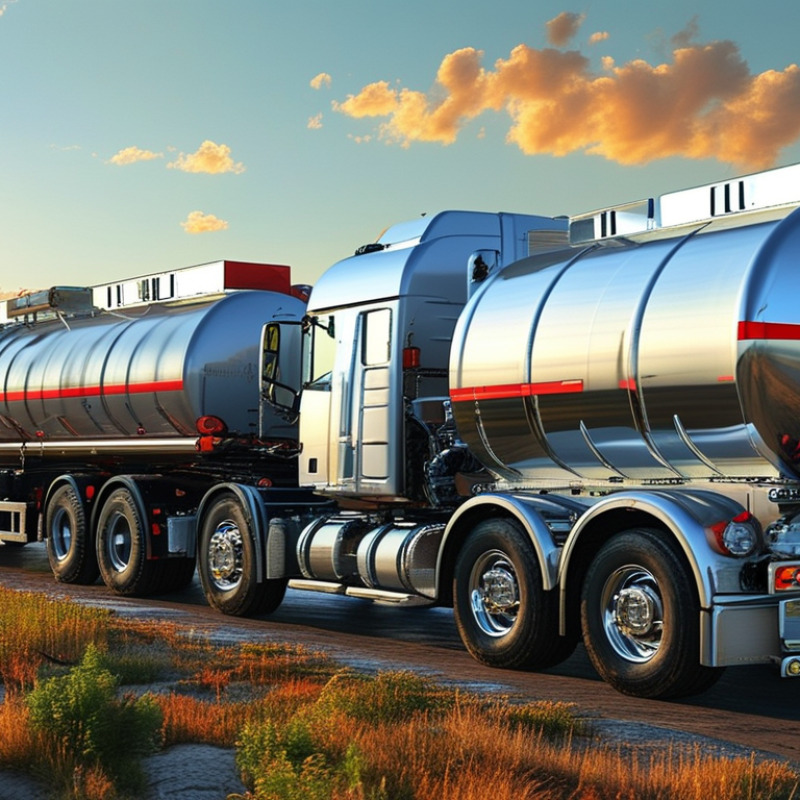
Best Trailer Tanker Models for Efficient Transport Solutions
In the evolving landscape of transportation, trailer tankers play a crucial role. Their design impacts efficiency, safety, and sustainability. Data from the National Tank Truck Carriers indicates that nearly 70% of liquid freight in North America is transported via tank trailers. This highlights the importance of selecting the right model for effective transport solutions.
Choosing the right trailer tanker model requires a balance of capacity, weight restrictions, and the material transported. The design dictates how well a trailer can handle different types of loads. For instance, chemical transport models need specialized materials that can prevent corrosion. Moreover, efficiency in fuel consumption often depends on the tank’s aerodynamics.
**Tips:** When selecting a trailer, consider the payload capacity and tank shape. Assess whether single or multiple compartments are necessary for your operations. Regular maintenance also ensures that the tanker operates optimally, reducing unexpected downtimes. Efficiency often comes down to how well the tank can adapt to various conditions and loads, so stay informed about the latest standards in the industry.
Overview of Trailer Tanker Types: Understanding Their Purpose and Use
Trailer tankers are essential for transporting liquids efficiently. They come in various types, each designed for specific purposes. Understanding these models is crucial for effective logistics.
One common type is the chemical tanker. It transports corrosive liquids, requiring specialized coatings to prevent damage. Safety is paramount. Operators must ensure proper handling procedures to avoid spills and accidents. Another type is the food-grade tanker. These units maintain hygiene standards while carrying edible liquids. They have smooth interiors to prevent contamination, making them vital in the food industry.
While choosing a model, consider factors such as payload capacity and weight distribution. These elements impact fuel efficiency. Some operators overlook maintenance, leading to costly repairs. Regular inspections are necessary to ensure reliability. Efficiency doesn't just stem from the tanker but also from how it is used in the supply chain. Poor planning can lead to delays, affecting overall transport effectiveness. Understanding each tanker's unique features will lead to better decisions and improved transport solutions.
Key Features of Efficient Tanker Models: Capacity and Materials
When considering efficient tanker models, two key features stand out: capacity and materials. The capacity of a tanker directly impacts transportation efficiency. A well-designed tank can maximize load without compromising safety. For instance, models with a capacity ranging from 30,000 to 50,000 liters are popular in various industries. These larger tanks can reduce the number of trips needed, which saves time and resources. However, an oversized tanker can lead to increased fuel consumption, making careful selection crucial.
Materials also play a pivotal role in efficiency. Commonly used materials include aluminum, stainless steel, and carbon steel, each with unique properties. Stainless steel offers excellent corrosion resistance, ideal for transporting sensitive liquids. Aluminum, on the other hand, is lightweight and helps reduce overall vehicle weight. But, it might not be appropriate for all substances. Carbon steel provides strength but may require additional protective measures. The trade-offs between durability, weight, and cost can complicate the decision-making process. Potential buyers must reflect on their specific needs before choosing a model.
Industry Standards and Regulations for Trailer Tanker Safety
Safety is paramount when dealing with trailer tankers. Regulations guide the design and operation of these vehicles to minimize risks. The importance of compliance cannot be overstated. Drivers must receive training on safe loading and unloading procedures. Improper handling of hazardous materials can lead to serious accidents.
Industry standards dictate that trailer tankers should undergo regular inspections. Each inspection assesses structural integrity, leak prevention, and brake functionality. Failure to meet safety regulations endangers everyone on the road. The complexity of these standards can be overwhelming, and many companies struggle to keep pace with changing regulations.
Effective communication about safety practices is crucial. Companies must foster a culture where safety is a priority. Employees should feel empowered to report unsafe conditions without fear. Regular safety drills could enhance awareness and preparedness. Ultimately, embracing these practices can lead to improved safety outcomes in an industry that demands vigilance.
Comparison of Leading Trailer Tanker Brands Based on Performance Data
When considering trailer tanker models for efficient transport solutions, performance data plays a critical role. Various models are engineered to handle distinct cargo types, such as liquid fuels or chemicals. Each model's design and construction impact its performance considerably. Hence, it's vital to evaluate their specifications thoroughly.
In the competitive landscape of trailer tanker brands, efficiency often hinges on payload capacity and fuel consumption. A reliable model should provide optimal load distribution. This ensures stability on the road, which in turn can enhance fuel efficiency. Consider the tanker's materials and their ability to withstand various conditions. Factors like weather resistance and durability significantly influence overall performance.
There are nuances to be aware of, as not all tankers are created equal. Some may excel in specific functions but fall short in others. For example, a model designed for high-pressure transport might compromise on weight savings. Additionally, user reviews can offer insights into long-term reliability but may be subjective. Balancing specialized features with versatility is crucial for any fleet manager looking to maximize efficiency and safety.
Conclusion
This article provides a comprehensive overview of trailer tankers, focusing on their types, key features, safety standards, and future design trends. Trailer tankers are essential for transporting various liquids efficiently, and understanding their specific purposes greatly aids in selecting the right model. The article emphasizes critical features like capacity and material durability, which contribute to the performance and reliability of trailer tankers in commercial applications.
Additionally, it discusses industry regulations that ensure safety during transportation, alongside a comparative analysis of leading models based on performance data. Looking ahead, the article explores innovative design trends in trailer tankers, highlighting the advancements aimed at improving efficiency and sustainability in transport solutions. Overall, this analysis serves as a valuable resource for those seeking insights into the optimal use and future developments of trailer tankers in the logistics sector.

