Best Miniature Circuit Breaker Explained for Home Use?
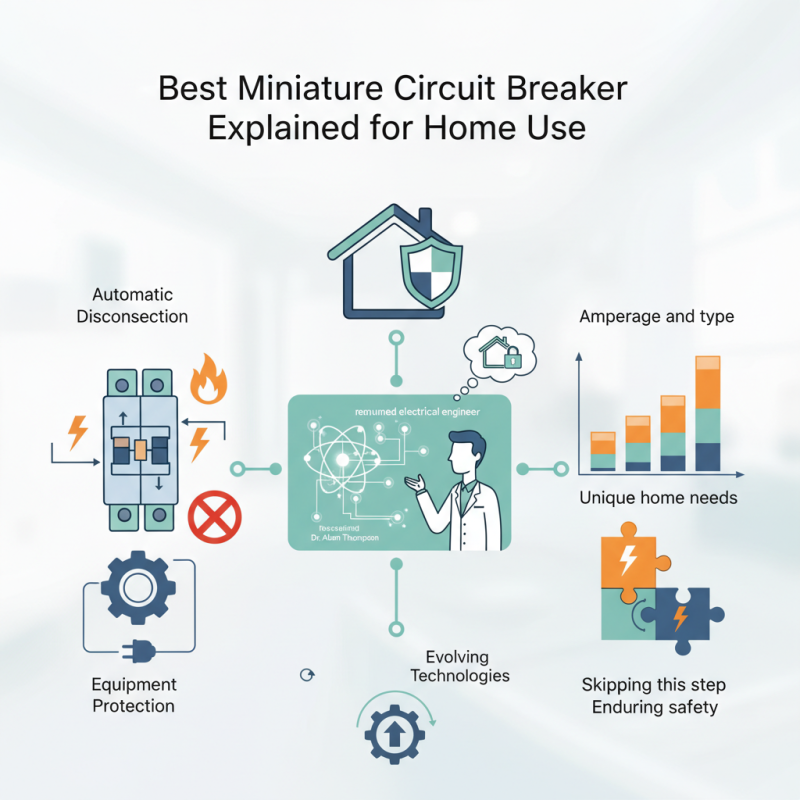
When it comes to home safety, choosing the right electrical components is crucial. The Miniature Circuit Breaker (MCB) is one such component that demands attention. Renowned electrical engineer, Dr. Alan Thompson, emphasizes, "A Miniature Circuit Breaker is not just a safety device; it’s a necessity." His words resonate strongly as more homeowners seek effective ways to protect their properties.
Understanding an MCB's function can be daunting for many. These devices automatically disconnect the circuit when they detect an overload or fault. This action prevents potential fires and equipment damage. Yet, many overlook this essential safety feature. They may select breakers based solely on price or availability, missing out on quality.
It's essential to realize that not all Miniature Circuit Breakers are created equal. Each home has unique needs. Evaluating the right amperage and type for your specific setup is vital. Skipping this step could leave your home vulnerable. As the electrical landscape evolves, so do MCB technologies. Adapting to these changes is not merely wise but necessary for enduring safety.
Understanding Circuit Breakers and Their Functionality
Miniature circuit breakers, or MCBs, are essential devices in home electrical systems. They safeguard your wiring from overloads and short circuits. When a fault occurs, the MCB automatically shuts off the circuit. This automatic action helps prevent potential fire hazards and ensures safety for residents. MCBs are compact and easy to install, making them ideal for residential use.
Understanding how MCBs function is vital. They operate by sensing the current flowing through the circuit. If the current exceeds a safe limit, the device trips. This quick response reduces risks significantly. However, sometimes MCBs may trip unexpectedly. This might indicate a fault in the wiring or appliances. Homeowners should regularly check these devices to ensure they are functioning correctly.
Regular maintenance of MCBs is critical. Dust and moisture can affect their performance. It's important to inspect connections and clean the area around the circuit breaker. Additionally, learning the specific trips can help identify underlying issues. Keeping a record of these incidents is beneficial. Being proactive can prevent larger problems down the line, saving time and money.
Types of Miniature Circuit Breakers for Residential Use
When choosing miniature circuit breakers (MCBs) for home use, understanding the different types is essential. Generally, MCBs are categorized based on their trip characteristics. The most common types include B, C, and D curves. Type B is suitable for residential circuits, where appliances have a low inrush current. It’s ideal for lighting and standard outlets. These breakers trip quickly, protecting sensitive electronics.
Type C breakers are designed for circuits with moderate to high inrush currents. They are perfect for motors and heavy-duty equipment, often found in kitchens or workshops. Type D breakers are suitable for high inrush applications, but they're less common in a typical home setup. Knowing these details helps in selecting the right MCBs for specific needs.
Selecting the right type of MCB can prevent potential electrical issues at home. Some people may misunderstand the purpose of these devices, thinking they are all the same. It’s crucial to analyze your household's electrical usage. With the wrong choice, you might face nuisance trips or inadequate protection. Always take time to research and reflect on your electrical needs.
Key Features to Consider When Choosing a Miniature Circuit Breaker
When selecting a miniature circuit breaker (MCB) for home use, several key features are crucial for safety and efficiency. One primary aspect to consider is the current rating. MCBs come in various ratings, typically ranging from 6A to 63A. According to industry reports, a common residential choice is the 16A MCB, which can handle most household circuits. However, appliances requiring higher capacity may necessitate a breaker rated at 32A or more.
Another important feature is the tripping mechanism. MCBs utilize thermal or electromagnetic trip mechanisms to respond to overloads or short circuits. Studies indicate that MCBs with both mechanisms provide enhanced protection. They respond quickly to sudden surges, reducing fire risks, making them reliable for home use. It’s essential to evaluate the type of wiring and appliances in your home to choose the right MCB type.
Additionally, consider the breaking capacity. This indicates the maximum fault current an MCB can interrupt safely. A standard residential MCB should have a breaking capacity of at least 6kA. However, in high-demand areas, higher capacities may be necessary. Not every MCB fits all situations, so assess your home’s requirements carefully before making a decision. Making the right choice now can prevent future issues with electrical safety.
Installation Steps for Miniature Circuit Breakers at Home
Installing miniature circuit breakers (MCBs) in your home can enhance electrical safety. It’s crucial to ensure they are installed correctly. This process can be straightforward, but attention to detail is important. Before starting, gather necessary tools like a screwdriver, pliers, and a voltage tester. Always turn off the main power supply to avoid accidents.
Begin by removing the panel cover where the breaker will be installed. This step can be tricky, as wires might be tightly packed or dusty. Ensure there are no loose connections. Next, insert the MCB into the designated slot. It should click into place, but don’t assume everything is fine based solely on sounds. Double-check that it aligns with existing wiring. For connections, strip the insulation from the wires carefully. Securely attach them to the MCB terminals. Avoid overtightening, as this can cause damage.
Once everything is in place, restore power and test the circuit. Watch for any unusual sounds or tripping. If the MCB trips frequently, reevaluate your connections. It’s easy to miss a detail during installation. Many people overlook the importance of grounding. Without it, the breaker can't function properly. Each step is critical for ensuring safety and efficiency.
Safety Tips for Using Miniature Circuit Breakers in Your Electrical System
When using miniature circuit breakers (MCBs) at home, safety is crucial. MCBs protect electrical circuits by disconnecting power during overloads or faults. This helps prevent fires and equipment damage. However, improper use can lead to hazards.
One important tip is to avoid overloading circuits. Each MCB has a specific rating. If too many devices are connected, it can trip frequently. This is not just annoying; it also increases the risk of electrical failures. Consider using devices that match the MCB ratings. Understand the total wattage of all connected appliances.
Regular checks are essential. Inspect MCBs for signs of wear or damage. Look for discoloration or unusual noises. If an MCB trips often, it might indicate an underlying issue. Don’t ignore these signs. Seek professional advice if needed. Also, ensure you're familiar with how to reset an MCB safely. It’s a simple task but crucial during a power interruption.
Remember, safety should always come first. Educate your family about the importance of circuit breakers. Ensure everyone knows how to respond to tripped breakers. It could make a difference in emergency situations. Ignoring small issues can lead to bigger problems down the line, so stay proactive.

