Top 10 Benefits of Selective Racking for Your Warehouse Needs?
In today's competitive landscape, optimizing warehouse space is crucial. Selective racking offers businesses an efficient solution to maximize storage while maintaining operational flexibility. This system is designed to store a variety of goods. By implementing Selective Racking, companies can improve inventory management.
The design allows easy access to individual pallets, which can lead to increased picking speeds. Moreover, it enhances safety by minimizing the chance of accidents during retrieval. However, not every warehouse is suitable for Selective Racking. Factors such as product type and order volumes need careful consideration.
Many businesses experience initial challenges when transitioning to this system. The upfront investment may seem daunting. Yet, when executed correctly, the benefits can far outweigh these early hurdles. It's essential to evaluate your specific needs and explore how Selective Racking could streamline your warehouse operations.
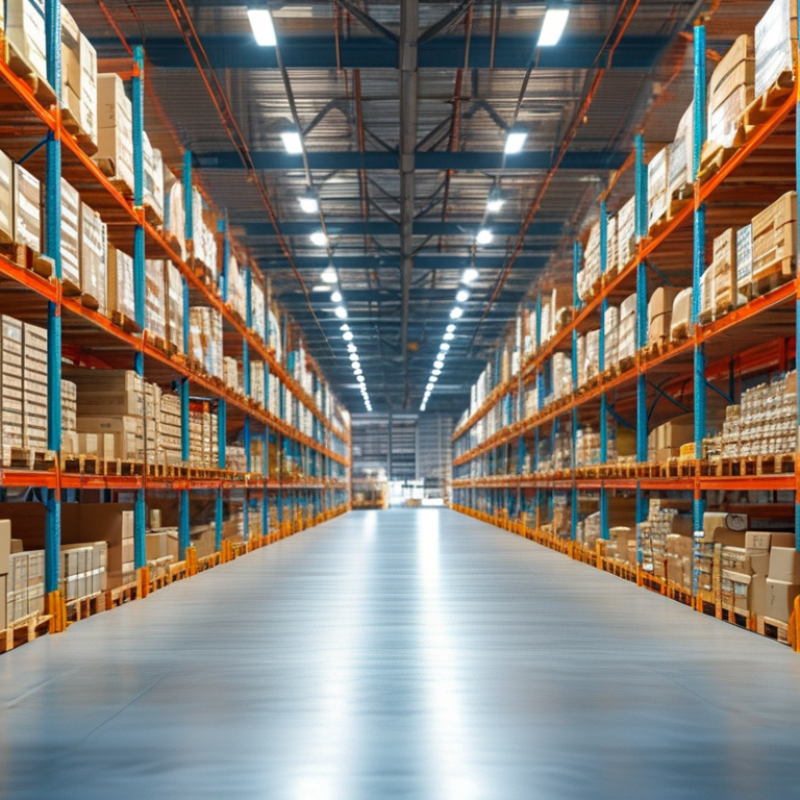
Understanding Selective Racking: An Overview of Warehouse Solutions
Selective racking is a crucial component of modern warehouse solutions. It maximizes storage efficiency, addresses diverse inventory needs, and improves accessibility. According to a study by the Warehousing Education and Research Council, effective racking systems can enhance space utilization by up to 85%. This is vital as many warehouses are now operating at full capacity due to the growth of e-commerce, demanding efficient solutions to manage inventory.
In terms of handling and retrieval speed, selective racking can significantly reduce the time staff spends locating items. The average retrieval time can drop by 30% with an organized racking system. Such efficiency translates into labor cost savings and increased productivity. However, some warehouse managers overlook the potential risks. Proper training in safety protocols is imperative, as improper use can lead to accidents or product damage.
Additionally, while selective racking offers flexibility, it's essential to evaluate layout regularly. Adjustments may be necessary as inventory types change over time. A rigid system may not accommodate these shifts well. Optimization requires continuous assessment and, sometimes, a willingness to invest in new solutions. Overall, understanding selective racking's capabilities can lead to significant improvements in warehouse operations.
Top 10 Benefits of Selective Racking for Your Warehouse Needs
| Benefit | Description | Impact on Operations |
| Increased Accessibility | Selective racking provides easy access to all products. | Speeds up order picking and reduces labor costs. |
| Optimized Space Utilization | Maximizes storage space within the warehouse. | Improves inventory management and reduces storage costs. |
| Versatility | Accommodates a variety of goods and sizes. | Enhances operational flexibility. |
| Cost-Effective | Lower upfront investment compared to other systems. | Provides significant ROI in the long term. |
| Ease of Installation | Quick and straightforward installation process. | Minimizes downtime during setup. |
| Safety | Designed with safety features to protect workers. | Reduces accidents and enhances work conditions. |
| Scalability | Easily expand or modify racking systems as business grows. | Supports business growth and adaptability. |
| Inventory Management | Simplifies tracking and managing stock levels. | Enhances accuracy and reduces stock discrepancies. |
| Improved Workflow | Streamlined processes lead to better efficiency. | Boosts overall productivity within the warehouse. |
| Enhanced Visibility | Allows for clear sight lines of all inventory. | Facilitates rapid stock takes and inventory reviews. |
Maximizing Space Efficiency with Selective Racking Systems
Selective racking systems optimize warehouse space efficiently. Research indicates that using selective racking can increase storage capacity by up to 60%. This method allows easy access to each pallet, reducing retrieval times significantly. For facilities with diverse inventory, this is crucial. Flexibility in configuration is also a key advantage, enabling warehouses to adjust layouts based on changing needs.
When maximizing space, consider this: aisles should be wide enough for equipment but not too wide to waste space. The right aisle width can save you valuable square footage. Data suggests that narrow aisle configurations can boost storage density by 25%. Additionally, don’t overlook the vertical space. Many warehouses fail to utilize height effectively, which can lead to underutilization of cubic space.
Tip: Regularly assess your inventory turnover rates. This will help determine optimal racking solutions for your specific products. Adapting your racking system based on these metrics can lead to further efficiency gains. Aim for continuous improvement; what works today may need revisiting tomorrow.
Enhancing Accessibility and Inventory Management through Selective Racking
Selective racking offers significant advantages for warehouses aiming to enhance accessibility and improve inventory management. This racking system allows for straightforward access to each pallet. Warehouses can easily identify and retrieve products. With labeled shelves, employees spend less time locating items, thus increasing efficiency. A well-organized racking system fosters quicker decision-making during inventory counts.
Another benefit is the adaptability of selective racking. Different sizes and weights of products can be accommodated. Whether it's heavy machinery or fragile items, the racking can be adjusted to fit varying needs. This flexibility can lead to a more streamlined operation. However, an overlooked aspect is safety; improper loading can lead to accidents or product damage. Warehouses must consider best practices for loading and unloading to maintain safety.
Lastly, selective racking aids in better inventory tracking. Advanced software systems can easily integrate with racking layouts. This integration ensures real-time updates on stock levels. Regular audits can pinpoint discrepancies, encouraging continuous improvement. However, reliance on technology does come with its challenges. Human error in data entry can still occur, which might lead to mismanagement. Addressing these issues will enhance operational reliability.
Reducing Operational Costs: Economic Benefits of Selective Racking
Selective racking systems offer substantial economic benefits for warehouses. They optimize storage space, increasing warehouse efficiency. According to a 2022 industry report, companies can boost their storage capacity by up to 80% with selective racking. More space means lower rental costs. In high-demand environments, this leads to significant savings.
Reducing operational costs is crucial for maintaining competitiveness. Experts highlight that well-organized selective racking systems minimize labor costs. With clear organization, employees can locate items faster, reducing pick times by 30%. This efficiency translates directly into lower operational expenses over time. Moreover, the initial investment in selective racking pays off quickly, typically within two years.
Industry studies indicate that businesses often overlook the potential savings of selective racking. Some continue using outdated storage methods and miss out on improvements. Regular assessments of storage solutions can reveal opportunities for cost reduction. This reflection is necessary for adapting to changing market demands and maximizing profitability. Understanding the economic benefits of selective racking can guide strategic decisions.
Improving Safety Standards in Warehousing with Selective Racking Systems
Selective racking systems significantly improve safety standards in warehouses. These systems maximize storage efficiency and optimize space. According to the Warehousing Education and Research Council (WERC), 60% of warehouse accidents occur due to inadequate racking systems. This emphasizes the importance of investing in safer solutions.
By implementing selective racking, warehouses can reduce the risk of goods falling. The National Safety Council indicates that proper racking can lower accident rates by up to 30%. This protection enhances worker confidence and minimizes injury risks. A well-organized racking system allows for better visibility and easier access, which directly contributes to a safer work environment.
Inadequate racking systems can lead to a chaotic workspace. Poor organization often results in misplaced items, which can cause frustration and accidents. Emphasizing the need for regular inspections is vital for maintaining safety standards. Continuous training on racking system use can further reassure staff. Thus, adopting selective racking is not just a matter of efficiency—it’s a significant step toward fostering a safer workplace.

