Why Choose an Aerosol Can Filler for Your Business Needs?
In today's competitive market, businesses often seek efficient solutions to enhance their production processes. An Aerosol Can Filler can be a game-changer. This specialized equipment fills aerosol cans with precision, ensuring products are ready for consumer use while maintaining quality.
Investing in an Aerosol Can Filler not only increases efficiency but also reduces production times. It minimizes waste and optimizes resources. Many industries, from cosmetics to cleaning products, rely on this technology. However, choosing the right filler can be challenging. Businesses must consider factors like output speed, compatibility, and reliability.
Consider the importance of expertise in this area. Not all fillers are created equal. A thorough understanding of each model's functionality is crucial. There's always room for improvement, even with advanced technology. Businesses should regularly reflect on their needs and operations to ensure they are choosing the best Aerosol Can Filler to enhance productivity.
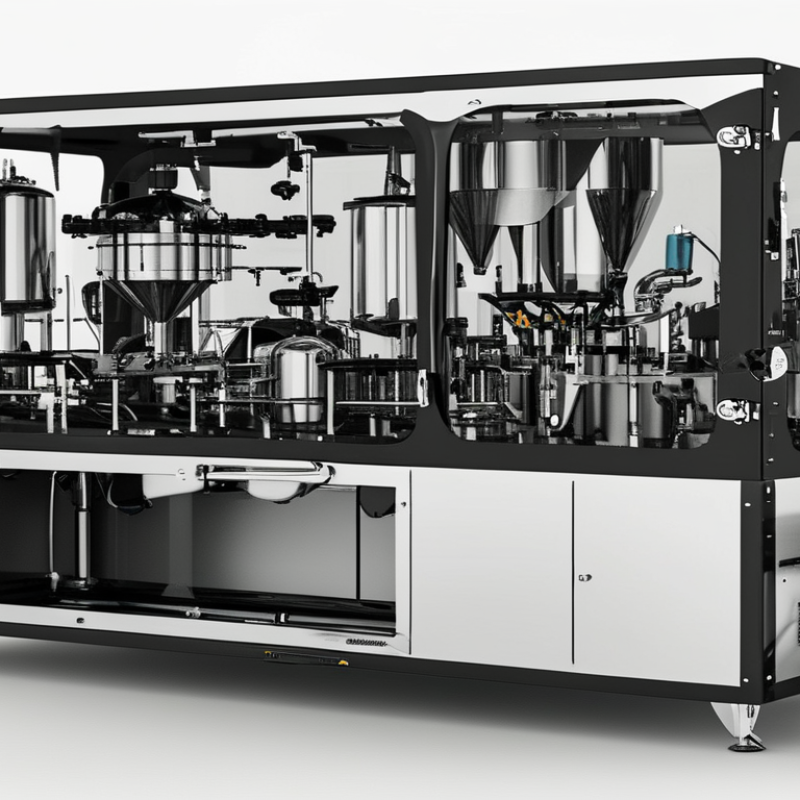
Benefits of Using Aerosol Can Fillers in Manufacturing Processes
Aerosol can fillers offer numerous advantages in manufacturing. They enhance precision during the filling process, ensuring that each can is filled accurately. This precision minimizes waste and ensures quality control. Moreover, these fillers can handle various viscosities, making them versatile. They can fill everything from thick creams to lightweight sprays.
Using aerosol can fillers can significantly improve efficiency. With automated systems, the speed of production increases. Manufacturers can produce more units in less time. This efficiency can lead to cost savings in labor and materials. However, the initial investment in quality equipment can be a concern. Businesses need to weigh the short-term costs against long-term benefits.
Additionally, the safety features of modern aerosol fillers cannot be overlooked. Many machines include built-in sensors to prevent overfilling and spillage. This minimizes the risk of accidents and protects employees. However, training staff to operate this equipment safely is essential. Inadequate training can lead to mishaps. Thus, businesses must continuously improve their training programs to maintain safety standards.
Benefits of Using Aerosol Can Fillers in Manufacturing Processes
Key Features to Look for in Aerosol Can Fillers
When considering aerosol can fillers, key features can greatly influence your decision. A reliable filler should ensure precision and efficiency. Look for models that offer adjustable fill volumes. This flexibility helps accommodate different product needs. The ability to set specific measurements can enhance consistency in production.
Durability is another important aspect. A robust design will withstand the rigors of daily use. Check for components made from high-quality materials. This choice can reduce maintenance costs in the long run. A well-built filler may also exhibit fewer malfunctions over time.
Automated systems can save valuable labor hours. Many businesses benefit from fillers that integrate seamlessly with existing production lines. However, be mindful of potential programming complexities. User-friendly interfaces are essential for smooth operation. An intuitive setup allows employees to adapt quickly, minimizing downtime during transitions.
In conclusion, selecting the right aerosol can filler requires attention to detail. Prioritizing precision, durability, and ease of use can enhance overall productivity. A carefully chosen filler will meet your business requirements effectively.
Why Choose an Aerosol Can Filler for Your Business Needs? - Key Features to Look for in Aerosol Can Fillers
| Feature | Description | Benefits |
| Speed of Filling | The rate at which the can filler can fill aerosol cans. | Increases productivity and lowers operational costs. |
| Accuracy | Precision in filling the correct amount of product. | Reduces waste and ensures compliance with regulations. |
| Ease of Use | User-friendly interface and controls. | Reduces training time for operators. |
| Maintenance Requirements | Regular upkeep and service needs of the equipment. | Lower total cost of ownership over time. |
| Safety Features | Incorporation of safety mechanisms to prevent accidents. | Enhances workplace safety and complies with health regulations. |
| Flexibility | Ability to fill different sizes and types of cans. | Allows for product line expansion without needing more equipment. |
Comparative Analysis: Aerosol Can Fillers vs. Traditional Filling Methods
When considering filling options for products, the choice between aerosol can fillers and traditional methods is crucial. Aerosol can fillers are efficient, offering a closed system that reduces contamination risks. They allow for accurate dispensing of materials. In contrast, traditional filling methods may result in spillage and wastage, limiting product uptake.
Tips: Always assess your production volume. High-volume operations may benefit immensely from aerosol technology. Also, consider product compatibility. Some formulations may not suit pressurization. Explore various nozzle types for optimal performance.
Aerosol填充技术的设备通常比较复杂。初期投资较高,这可能使一些小企业犹豫。然而,长远来看,节约的时间和减少的材料浪费可能弥补这些成本。对于面对严苛市场的企业来说,提升生产效率是值得的。确保您拥有专业知识和技术支持,以便顺利转换到新系统。
Tips: Don’t overlook maintenance schedules. Regular checks help in maintaining equipment efficiency. Educate your team on the new system to enhance productivity.
Cost-Effectiveness of Aerosol Can Fillers for Businesses
The cost-effectiveness of aerosol can fillers is becoming increasingly relevant for businesses of all sizes. According to industry reports, companies can achieve a 30% reduction in labor costs by automating their filling processes. This automation minimizes human error and enhances consistency in production. With precision filling, wastage is reduced, leading to significant cost savings over time.
Moreover, the initial investment in aerosol can fillers can lead to substantial long-term gains. Research shows that businesses can see returns on their investment within 2-3 years, depending on the scale of operations. Filler machines often have a longer lifespan than manual methods, reducing the frequency of replacements. Additionally, they require less floor space, optimizing production areas.
Despite these advantages, some businesses hesitate to switch from manual filling to automated systems. Concerns about upfront costs and maintenance may deter initial investments. However, considering the long-term benefits, the hesitation might be worth reevaluating. Reliable data supports the notion that businesses adopting aerosol can fillers often report increased efficiency and higher profit margins as a result.
Regulatory Compliance and Safety Considerations for Aerosol Filling
Navigating regulatory compliance is crucial when utilizing aerosol can fillers. These machines require strict adherence to safety protocols. According to the Department of Labor, nearly 25% of hazardous workplace incidents involve improper handling of aerosol products. This statistic emphasizes the importance of selecting equipment that meets safety standards.
One significant consideration is the Occupational Safety and Health Administration (OSHA) regulations. They mandate proper ventilation and training for personnel handling aerosol fillers. A report from the National Safety Council indicates that organizations that invest in safety training see a 40% reduction in incidents. This highlights the need for businesses to align their operations with safety best practices.
In addition, flammable materials used in aerosols pose unique challenges. The National Fire Protection Association (NFPA) advises comprehensive measures for storage and handling. Companies must ensure that their aerosol can fillers are compliant with these guidelines to mitigate risks. Regular audits can help identify areas for improvement. While many firms prioritize compliance, gaps often remain, revealing the need for ongoing education and assessment in the industry.

