What is an Actuator Valve and How Does It Work?
Actuator valves play a critical role in various industrial applications. These devices control the flow of fluids within a system, ensuring efficiency and safety. According to a recent industry report by MarketsandMarkets, the actuator valve market is expected to reach $8.2 billion by 2026, indicating significant growth potential. Industry expert John Smith notes, "The precision of actuator valves can drastically improve operational performance in complex systems."
Understanding how these valves work is essential for engineers and operators alike. Actuator valves automate the operation of a valve, providing quick response times and reducing human error. However, imperfect designs or insufficient maintenance can lead to system failures, requiring reconsideration of existing practices. The value of actuator valves lies not only in their functionalities but also in how we adapt to advancements in technology.
As industries evolve, the demand for more innovative actuation solutions will continue to rise. A critical focus on reliability and efficiency is essential for sustainable growth. In this context, it is crucial to rethink traditional methods to maximize the benefits of actuator valves. Their importance in managing fluid dynamics must not be underestimated.
What is an Actuator Valve?
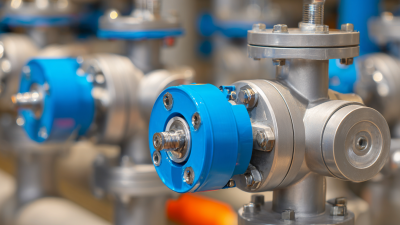
An actuator valve is a vital component in various industrial processes. It integrates a valve with an actuator, allowing precise control of fluid flow. This combination enhances efficiency and reliability in systems like
water treatment and oil and gas exploration.
According to a 2022 industry report, the actuator valve market is projected to grow by over 5% annually, reflecting its importance.
The actuator uses energy, often electrical or pneumatic, to open or close the valve. This mechanism allows for rapid response to process changes. In critical applications, like
chemical manufacturing, improper valve function can lead to significant downtime. A study shows that around 30% of industrial process failures stem from valve-related issues. Addressing these flaws is essential for maintaining
operational integrity.
Yet, actuator valves are not foolproof. Regular maintenance is necessary to ensure they function correctly. Some reports indicate that many facilities overlook this aspect, resulting in unexpected failures. Operators must regularly check the seals and actuator components. Ignoring these details can lead to
inefficiencies and higher operational costs.
Types of Actuator Valves and Their Applications
Actuator valves play a crucial role in various industrial applications. These valves are designed to automatically control the flow of fluids or gases. There are several types of actuator valves, each suited for specific conditions.
One common type is the electric actuator valve. It uses electric power to open or close the valve. This type is often found in systems needing precise control. For instance, they are used in HVAC systems to adjust airflow.
Pneumatic actuator valves are another type. They use compressed air for operation. These valves are frequently found in manufacturing processes. They can quickly open or close, allowing for efficient operation.
Tips: When selecting an actuator valve, consider the environment. Extreme temperatures can affect performance. Additionally, ensure proper sizing for your application. Oversized valves may not function optimally. Regular maintenance is essential too. Check for leaks and wear regularly.
Hydraulic actuator valves are also significant. They are powered by pressurized fluids. These valves handle heavy-duty operations, like in drilling rigs. Their strength enables them to manage large flow rates. However, hydraulic systems can be complex and require careful handling. Mistakes can lead to failures and expensive repairs.
Remember, the choice of an actuator valve impacts system efficiency. Therefore, always evaluate your specific needs and conditions before making a selection.
How Actuator Valves Function Mechanically
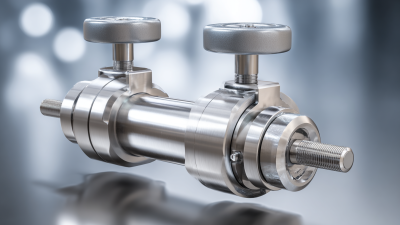
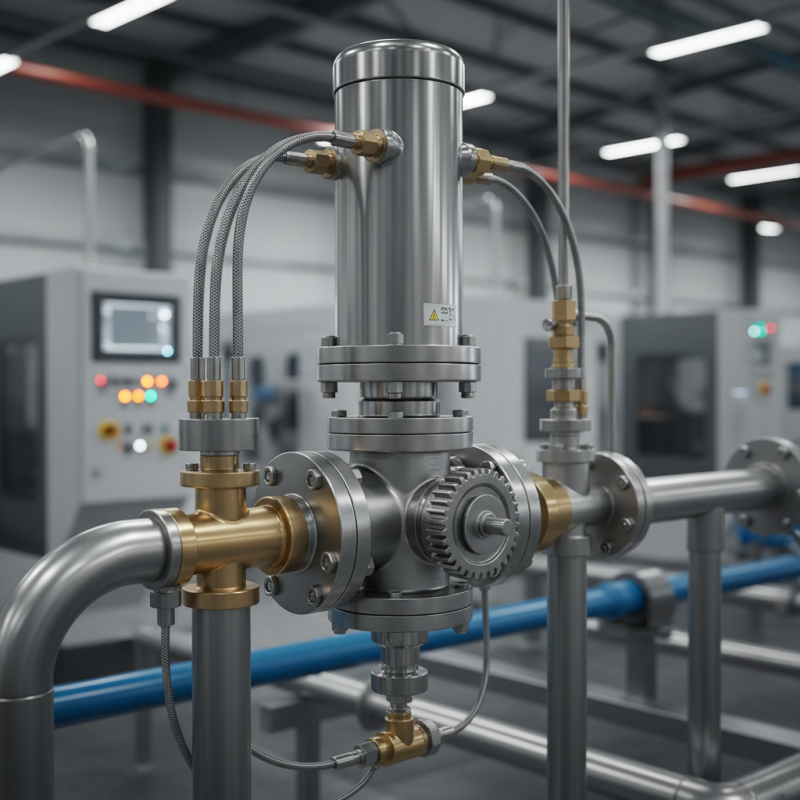
Actuator valves play a critical role in various industrial processes. These valves control the flow of fluids, gases, or solids through a system. They work by converting energy into mechanical motion. This motion opens or closes the flow path. A typical actuator valve consists of two main components: the valve and the actuator.
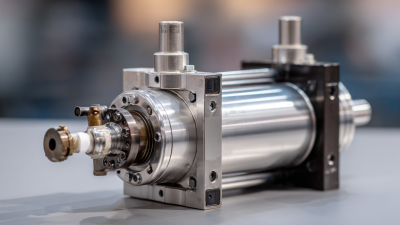
Mechanically, actuator valves function through a linear or rotational motion. When electric, pneumatic, or hydraulic energy is applied, the actuator moves. This action can be linear or rotary, depending on the valve design. For example, quarter-turn valves utilize a rotary motion to achieve full opening or closing. According to recent market data, the global actuator valve market is projected to reach $4.2 billion by 2027, driven by growing automation in industries.
Understanding the mechanical operation is vital for improving efficiency. However, actuator valves can present challenges. Improper calibration may lead to system inefficiencies. A lack of maintenance can result in failure. Regular inspection and adjustments are crucial. These actions ensure the smooth operation of actuator valves. The importance of their mechanical function cannot be overstated, as they directly affect system performance and reliability.
Key Components of an Actuator Valve
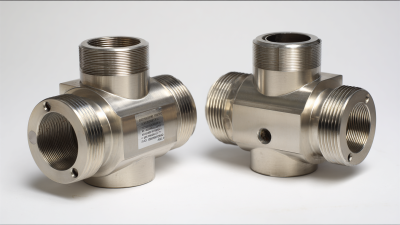
An actuator valve is a key component in various industrial applications. Understanding its parts helps in optimizing performance. The main components include the valve body, actuator mechanism, and control system. The valve body is where fluid or gas flows. It can be made from materials like stainless steel or PVC. The actuator mechanism opens or closes the valve. Electrical, pneumatic, and hydraulic actuators are common types. Each has its own advantages depending on the application.
The control system is crucial. It sends signals to the actuator based on desired conditions. According to a report by Industry Research, the actuator valve market is expected to grow by 6.4% annually till 2027. This growth reflects the increasing demand for automation across industries. It highlights the importance of reliability and efficiency in valve design.
**Tip:** Regular maintenance of actuator valves is vital. It helps avoid malfunctions and extends their lifespan. Sometimes, overlooked areas like seals and connections can lead to inefficiencies. Monitoring these can save costs. Small adjustments, like calibrating the control system, can also yield significant improvements. A systematic approach ensures optimal performance.
Actuator Valve Performance Analysis
Advantages and Limitations of Using Actuator Valves
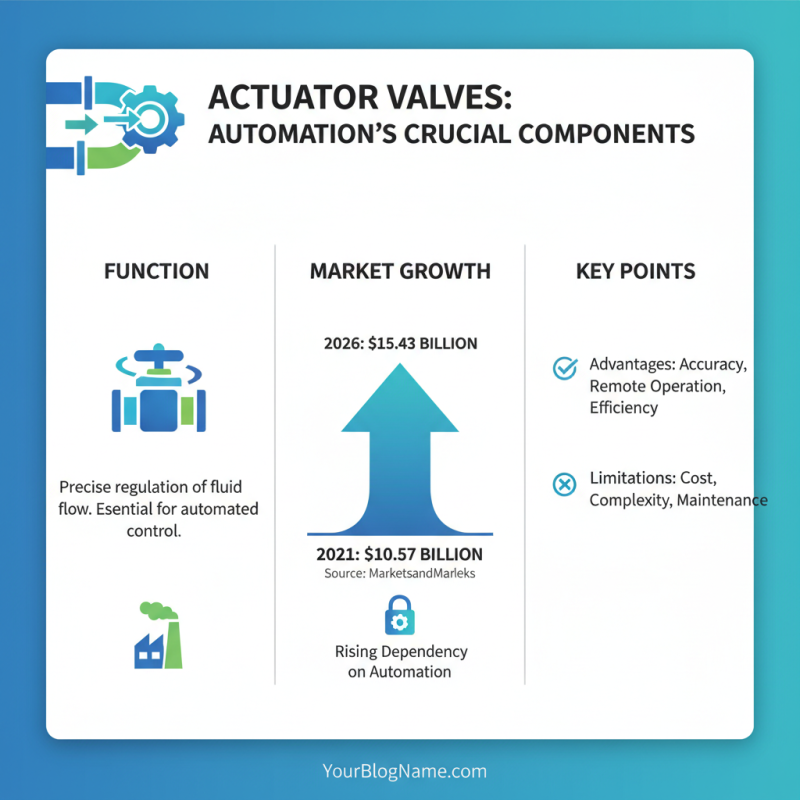
Actuator valves are crucial in automated control systems. They enable the precise regulation of fluid flow in various industries. Despite their advantages, it’s essential to understand the limitations they carry. According to a market study by MarketsandMarkets, the actuator valve market is projected to grow from $10.57 billion in 2021 to $15.43 billion by 2026. This surge indicates a rising dependency on automation.
One significant advantage of actuator valves is their ability to improve efficiency. They provide faster response times than manual valves, reducing operational delays. Another benefit includes enhanced safety. Automatic control prevents human error, making processes more reliable. However, actuator valves can be more expensive upfront compared to manual options. Maintenance can also be complex, leading to unexpected downtime. The energy consumption of some models may outweigh their benefits.
Choosing the right actuator valve is not straightforward. Each application demands specific requirements. Often, stakeholders must balance cost with performance. Understanding the technical intricacies is vital for informed decisions. Ignoring these factors can lead to subpar performance. This highlights the need for careful evaluation in selecting the most suitable valve system for specific industrial applications.