How to Get Accurate 3D Wheel Alignment for Your Vehicle?
In the world of automotive care, achieving optimal performance hinges on precision. 3d Wheel Alignment is a critical aspect that often goes unnoticed by vehicle owners. According to John Smith, a seasoned expert in the field of wheel alignment, "A properly aligned wheel can extend the life of your tires and improve fuel efficiency." His words highlight the importance of this often-overlooked service.
Maintaining alignment is not just about the tires; it impacts overall vehicle safety. Misalignment can lead to uneven tire wear, reducing traction. Picture driving on a rainy day; poor alignment could mean losing control. It’s a risky scenario that emphasizes the need for regular checks. Investing in 3D Wheel Alignment can prevent these issues before they escalate.
Yet, many aren’t aware of the signs of misalignment. A slight pull to one side or uneven tire wear can go unnoticed. Ignoring these signs can lead to larger problems down the road. Reflecting on this, one realizes the need for attention and preventive action regarding 3D Wheel Alignment. Keeping your vehicle aligned ensures safety and reliability on every journey.
Understanding the Importance of Accurate 3D Wheel Alignment
Accurate 3D wheel alignment is crucial for vehicle performance. Misalignment can lead to uneven tire wear, decreased fuel efficiency, and poor handling. Drivers often overlook this aspect, yet it plays a significant role in safety and longevity. When tires wear unevenly, they don’t grip the road as well. This can increase stopping distances and impact vehicle control.
Understanding the signs of misalignment is vital. If your steering wheel is off-center or the vehicle pulls to one side, these are red flags. Regular checks can prevent costly repairs down the line. However, many drivers wait until issues arise. This reactive approach may lead to unsafe driving conditions. Investing in routine 3D wheel alignment can save money and enhance driving comfort.
While many shops offer alignment services, not all are equal. Finding a skilled technician is essential. They should use accurate equipment and understand the specific alignment needs of your vehicle. Sometimes, the process may not be perfect on the first attempt. A small adjustment might be needed to achieve optimal results. Being proactive in vehicle maintenance is a reflection of responsible car ownership.
Key Components Involved in 3D Wheel Alignment
3D wheel alignment is crucial for vehicle performance. It relies on several key components that ensure precision. Understanding these components is vital for maintaining correct alignment angles.
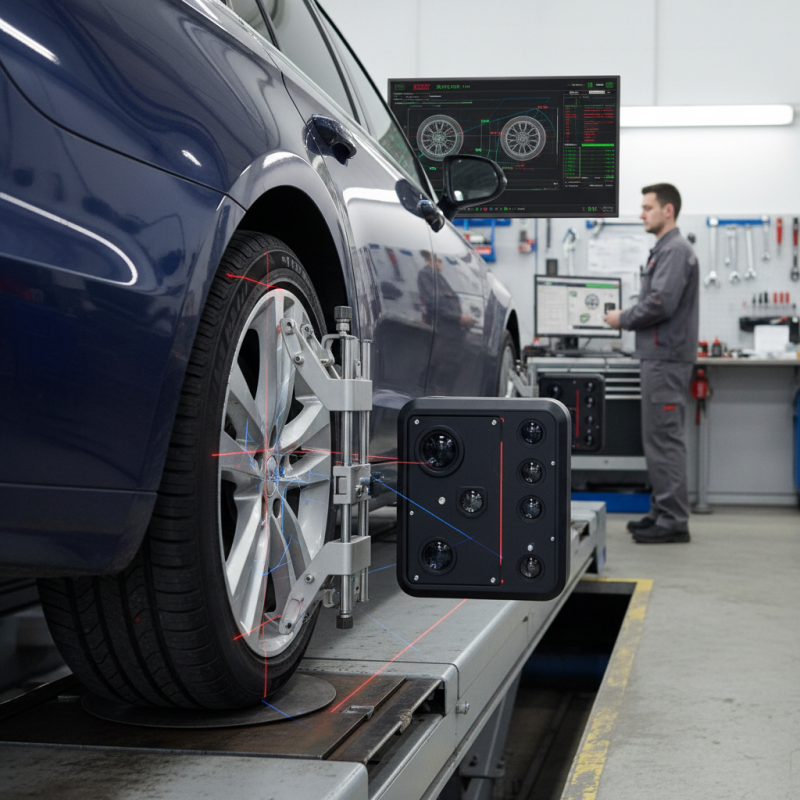
The wheel aligner itself is a primary tool. It uses laser technology to measure angles. Reports show that accurate alignment can enhance tire life by up to 30%.
Sensors play a pivotal role. They detect changes and provide real-time data to mechanics. The calibration of these sensors is essential. Even a slight miscalibration can lead to inaccurate results.
Another important aspect is the alignment specifications. Each vehicle model has unique settings. Incorrect adjustments can cause uneven tire wear. This may lead to increased fuel consumption and compromised safety.
Regular checks are crucial, as many drivers neglect this aspect. Research indicates that only 25% of vehicles undergo proper alignment checks during maintenance. A failure to address alignment can lead to long-term issues. Understanding these components helps in achieving optimal vehicle performance.
Step-by-Step Process for Performing 3D Wheel Alignment
Performing a 3D wheel alignment is essential for ensuring your vehicle operates smoothly. To start, park your vehicle on a level surface. Make sure the tires are properly inflated. You’ll need a 3D alignment machine and reflective targets. If you don’t have the right equipment, consider visiting a professional.
Next, attach the reflective targets to each wheel. These targets connect to the 3D machine that measures angles. Check the measurements on the screen. Ideally, they should be within the specified range. If not, adjustments are necessary. Sometimes, adjustments can be tedious. You may encounter stubborn bolts or misaligned parts. It’s okay to take your time to ensure accuracy.
After making adjustments, recheck the alignment. Run a quick test drive. Listen for any abnormal sounds. If everything seems fine, the process was successful. However, remember that alignment may need frequent checks. Wear and tear can affect settings over time. Stay vigilant and reflective about your vehicle's performance.
3D Wheel Alignment Adjustment Data
Common Issues Caused by Improper Wheel Alignment
Improper wheel alignment can lead to several common issues that affect your vehicle's performance. Misalignment can cause uneven tire wear, resulting in costly replacements. According to industry reports, 75% of vehicles experience some level of tire wear due to misalignment. This not only increases expenses but also compromises safety.
Another common issue is decreased fuel efficiency. Misaligned wheels create more rolling resistance, leading to increased fuel consumption. Studies show that vehicles with improper alignment can reduce fuel efficiency by up to 10%. This is not just a financial burden; it's an environmental concern too.
Tips: Regularly check your wheel alignment, especially after hitting potholes or curb checks. Aim for a professional alignment every 6,000 miles. Listen for unusual noises while driving. They might indicate misalignment issues. Don’t ignore signs of steering wheel vibrations, as they can also point to alignment problems. Be proactive; it can save you time and money.
Tips for Maintaining Proper Wheel Alignment Over Time
Maintaining proper wheel alignment is crucial for vehicle performance. Misalignment can lead to uneven tire wear, reduced fuel efficiency, and compromised handling. A study published by the Automotive Engineering Society reveals that about 25% of vehicles on the road suffer from misaligned wheels. This can decrease fuel efficiency by up to 10%. Regular checks are essential to avoid these issues.
To keep your wheels aligned, start with routine inspections. Every 6,000 miles is a good practice. Pay attention to signs like a tugging steering wheel or uneven tire wear. Ensuring proper inflation is also vital. Tires that are over or under-inflated can affect alignment. Regularly check tire pressure and adjust it according to manufacturer recommendations.
Driving habits play a role, too. Frequent pothole encounters and curbs can knock wheels out of alignment. Maintaining a smooth driving style helps mitigate this risk. Tracking your vehicle's performance can reveal alignment problems early. Sometimes, you might not notice the subtle changes until it’s too late. Addressing misalignment sooner rather than later saves money and enhances safety.

